Investment Definition: Meaning, Definition, and Explanation
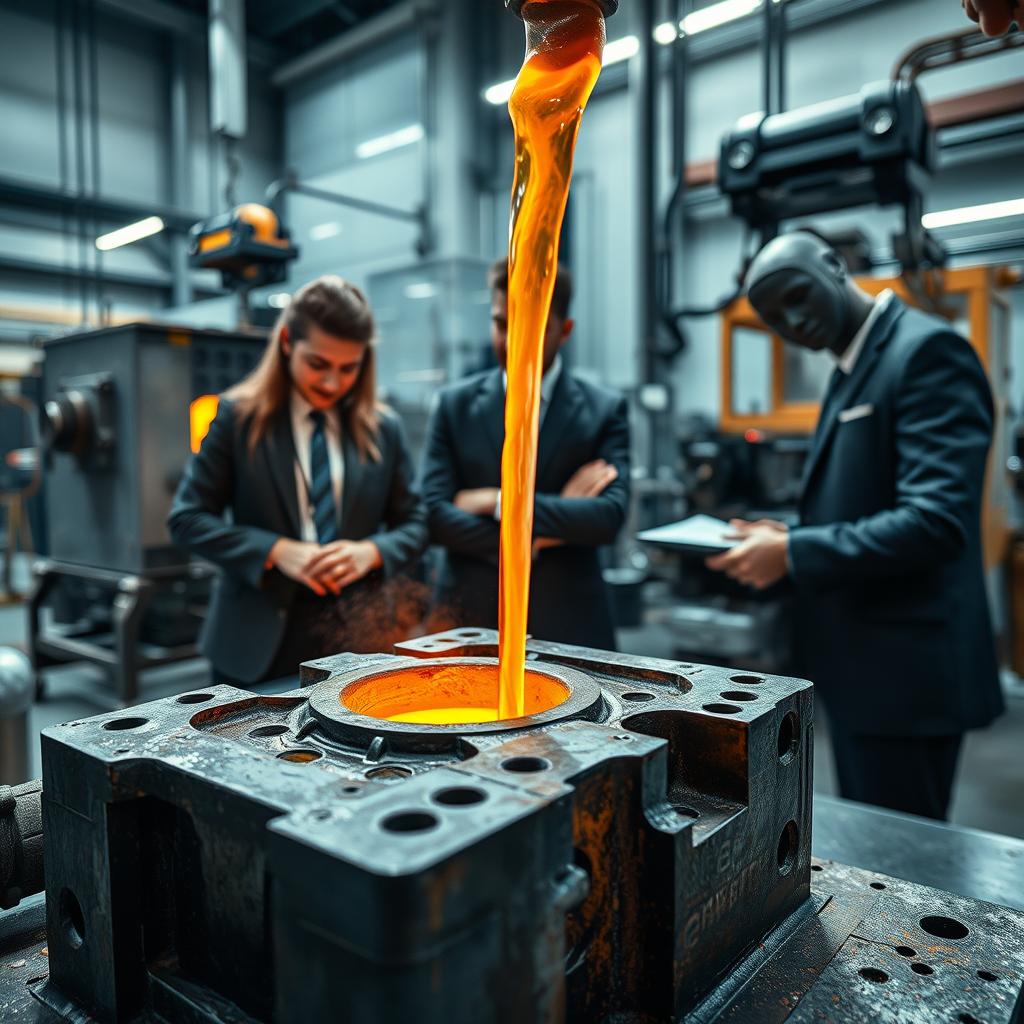
Modern manufacturing uses detailed techniques to make complex metal parts. Precision casting is one such method. It offers high accuracy for various industrial needs. This reliable method ensures each part meets strict quality standards and offers design freedom.
Many companies work on strategic collaborations to boost production quality and enter new markets. By using investment casting, businesses can make intricate shapes hard to achieve with standard tools. This method cuts down material waste and saves time in the final assembly.
This traditional yet updated process is crucial for aerospace and medical fields. It allows for thin walls and smooth finishes without extra machining. Understanding these essential technical basics helps professionals pick the most efficient metalworking path. Manufacturers value this approach for its consistent results and ability to expand product lines for customers.
Choosing the right fabrication style affects the budget and product performance. Experts often prefer these specialized methods for jobs where detail is key. It remains a top choice for making high-end components with minimal errors and maximum strength.
Key Takeaways
- High-accuracy production method for detailed parts.
- Ideal for creating complex metal geometries with ease.
- Minimizes the need for secondary finishing work.
- Enhances material efficiency and reduces total waste.
- Vital for high-tech sectors like aerospace and medicine.
- Delivers superior surface smoothness compared to other methods.
What is Investment Casting?
Lost wax casting, or investment casting, is an ancient technique that has evolved into a sophisticated manufacturing method. It’s known for creating complex and intricate metal parts with high precision and accuracy.
Overview of Investment Casting
Investment casting starts with making a wax pattern of the part you want. Then, a refractory material is used to make a shell around it. After melting out the wax, molten metal is poured into the cavity to create the final part.
This method is great for making parts with complex shapes and thin walls. It’s perfect for many industries.
Experts say, “Investment casting is versatile. It can make parts with high accuracy and surface finish, fitting many applications.”
“The investment casting process is highly valued for its ability to produce complex parts with precision and accuracy, making it a critical manufacturing method in various industries.”
History of Investment Casting
The history of investment casting goes back thousands of years. Ancient civilizations like Egypt and China used it for jewelry and decorative items. Today, it’s used in aerospace, medical, and automotive industries for critical components.
For more detailed information on the investment casting process, you can visit VestShell’s investment casting page.
Advantages of Investment Casting
Investment casting has many benefits. It can create complex shapes, has high precision, and a smooth surface finish. It also works with a wide range of metals and alloys, making it versatile.
| Advantages | Description |
|---|---|
| Complex Geometries | Ability to produce parts with intricate designs and complex shapes. |
| High Precision | Parts are produced with high dimensional accuracy. |
| Smooth Surface Finish | Investment casting produces parts with a smooth surface finish, reducing the need for additional machining. |
The benefits of investment casting make it a top choice for making high-quality, complex metal parts. Its precision and accuracy make it crucial in many industries.
Key Components of Investment Casting
Investment casting is a key process in metal casting. It’s known for its precision and versatility. It uses several important elements to make high-quality metal castings.
“The beauty of investment casting lies in its ability to produce complex shapes with high accuracy and smooth surface finishes,” as noted by industry experts. This is because of the careful attention to detail in each stage.
Wax Pattern Creation
The first step is making the wax pattern. This is done by injecting wax into a metal die to create a replica of the desired casting. The wax pattern must be precise, as it directly affects the final product’s accuracy.
Key steps in wax pattern creation include:
- Designing the wax pattern
- Injecting wax into the die
- Inspecting the pattern for defects
Shell Building Process
After the wax pattern is made, it’s coated with a refractory material to form a shell. This shell building process is key for withstanding the high temperatures involved in melting and pouring the metal.
The shell is built layer by layer. Each layer is allowed to dry before the next is applied. This makes the shell strong and durable.
Pouring the Metal
The last step is pouring the metal into the shell. The metal is heated until it’s molten and then poured into the cavity left by the wax pattern. This step needs careful control to ensure the metal fills the shell completely and evenly.
Factors influencing the pouring process include:
- Temperature of the metal
- Pouring technique
- Shell preparation
By understanding these key components, manufacturers can improve their investment casting processes. This leads to producing high-quality castings efficiently.
Materials Used in Investment Casting
Investment casting is key in industries like aerospace. It works with many materials, from common metals to advanced alloys. This makes it very versatile.
Common Metals for Investment Casting
Many metals can be used in investment casting. Stainless steel is popular for its strength and resistance to corrosion. Aluminum is chosen when weight matters.
Carbon steel and copper alloys are also used. The right metal depends on the part’s needs.
In aerospace, metals with high strength-to-weight ratios are preferred. Titanium and certain aluminum alloys are often used.
Alloys in Investment Casting
Alloys add special properties to investment casting. Superalloys are great for extreme conditions because they resist heat and corrosion well. They’re crucial in aerospace for parts that face high temperatures.
Nickel-based and cobalt-based alloys are also common. They have excellent mechanical properties and durability. This makes them perfect for tough applications.
Recent Innovations in Casting Materials
Investment casting is always getting better. New materials and technologies are being researched. This includes advanced alloys and ceramic materials for specific uses.
These advancements let us make parts with complex shapes and better performance. Investment casting is now more important than ever in fields like aerospace and medical devices.
The Investment Casting Process
Understanding the investment casting process is key for making complex parts. This method, also known as lost-wax casting, has evolved over centuries. It involves precise steps.
The investment casting technique is great for parts with complex shapes and smooth surfaces. It’s perfect for industries like aerospace and medical devices.
Step-by-Step Guide
The process starts with making a wax pattern of the part you want. This wax pattern is then covered with a refractory material to make a shell.
The steps are:
- Creating the wax pattern
- Assembling the wax patterns onto a sprue
- Coating the assembly with a refractory slurry
- Drying and hardening the shell
- Melting out the wax
- Preheating the shell
- Pouring the molten metal into the shell
- Allowing the metal to solidify
- Removing the shell to reveal the casting
Quality Control Measures
To make sure castings are top-notch, several quality control measures are used. These include checking wax patterns for flaws, watching the shell building, and testing the metal’s chemical makeup.
Castings are also checked for surface quality, size, and internal defects. X-ray inspection is used for this.
Casting Finish Options
The finish of the casting can be customized. Options include:
- As-cast finish
- Machined finish
- Polished finish
- Coated finish
Each finish has its own benefits. They affect the surface quality, size accuracy, and cost.
Applications of Investment Casting
Investment casting is key in many industries. It’s known for making complex parts with high accuracy. This makes it a top choice for parts that need to be precise and reliable.
This method is used in many areas. It’s used in aerospace, medical devices, and car parts. Each field gets unique benefits from it.
Aerospace Industry Uses
The aerospace world needs parts that can handle tough conditions. High-temperature alloys and complex shapes are common in turbine blades and engine parts.
Investment casting services help the aerospace field. They offer:
- High-precision components
- Complex shapes
- Parts from high-temperature alloys
Experts say investment casting is crucial for aerospace. It’s known for its precision and reliability.
“Investment casting has changed how aerospace parts are made. It allows for complex parts with unmatched precision.”
Medical Device Manufacturing
In medical devices, investment casting is vital. It’s used for parts that need to be precise and safe for the body. This includes surgical tools and implants.
| Application | Benefits |
|---|---|
| Surgical Instruments | High precision, durability |
| Implants | Biocompatibility, complex shapes |
Automotive Components
The car industry uses investment casting for many parts. This includes engine and turbocharger components. It’s great for making complex parts with precision.
Investment casting in cars focuses on:
- High-quality finishes
- Complex shapes
- Parts with exact dimensions
Comparison With Other Casting Methods
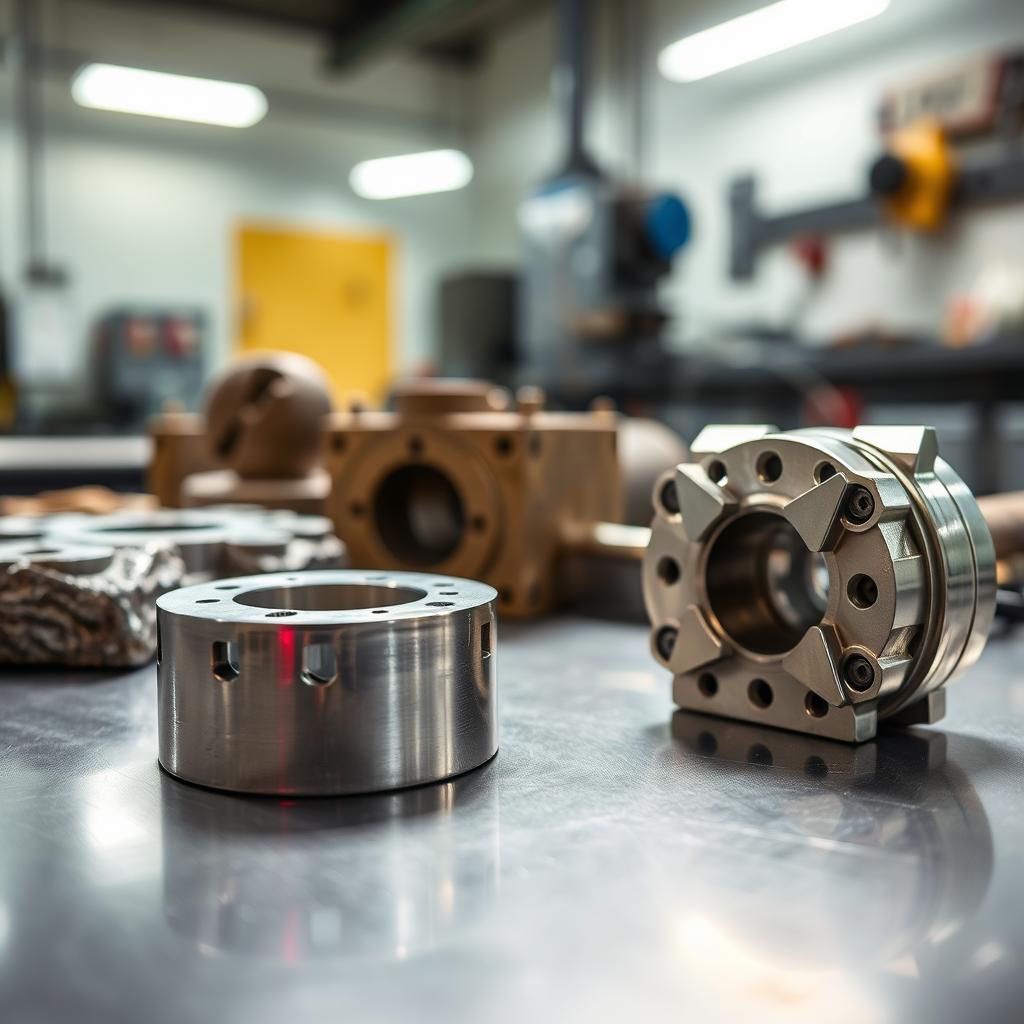
Investment casting, also known as precision casting or lost wax casting, is a unique manufacturing process. It has been compared to other casting methods for its advantages. This comparison helps us know when to use investment casting over other techniques.
The main casting methods in industry are sand casting, die casting, and investment casting. Each method has its own benefits and is best for different projects.
Investment Casting vs. Sand Casting
Sand casting is an old and common method. It makes a mold by packing sand around a pattern, then pours in molten metal. Sand casting is good for large, simple parts but lacks the precision and finish of investment casting.
Key differences:
- Surface finish: Investment casting offers a smoother finish.
- Precision: It can create complex shapes accurately.
- Material waste: It produces less waste than sand casting.
Investment Casting vs. Die Casting
Die casting forces molten metal into a mold under pressure. It makes parts with high accuracy and smooth surfaces. But, it’s mainly for non-ferrous metals and has high tooling costs.
Comparison points:
- Material limitations: Die casting is for non-ferrous metals, while investment casting can handle more metals.
- Tooling costs: Die casting costs more to start than investment casting.
- Complexity: Investment casting can make more complex shapes.
Cost Analysis of Casting Methods
The cost of casting methods depends on material, complexity, and volume. Investment casting is pricier per unit than sand casting but offers better precision and finish. Die casting is good for making lots of non-ferrous parts.
| Casting Method | Cost | Precision | Material Flexibility |
|---|---|---|---|
| Investment Casting | High per unit | High | High |
| Sand Casting | Low per unit | Low | Medium |
| Die Casting | High initial cost, low per unit for high volume | High | Low (mainly non-ferrous) |
In conclusion, the right casting method depends on the project’s needs. This includes precision, material, and volume.
Benefits of Investment Casting
Investment casting shines in precision, surface finish quality, and material efficiency. It’s celebrated for making complex parts with great accuracy.
Precision and Accuracy
Investment casting stands out for its exceptional precision and accuracy. It’s perfect for parts with complex shapes and tight tolerances. This makes it great for industries needing high standards.
One big plus is that it often needs little to no machining. This cuts down on production time and error risks from extra machining steps.
Surface Finish Quality
The surface finish of investment casting is top-notch compared to other methods. It uses a ceramic shell around a wax pattern, then melts it out for metal. This leaves a smooth finish that often needs no extra work.
A smooth surface is key for parts under stress or in tough environments. The quality of the surface can affect how well and long a part lasts.
Material Efficiency
Investment casting is also material efficient. It makes parts very close to their final shape, cutting down on waste and machining needs.
This is especially good for expensive or hard-to-machine materials. It saves money by reducing waste and the need for extra processing.
| Benefit | Description | Industry Impact |
|---|---|---|
| Precision and Accuracy | Ability to produce complex components with tight tolerances | Aerospace, Medical Devices |
| Surface Finish Quality | Smooth surface finish with minimal need for additional processing | Automotive, Aerospace |
| Material Efficiency | Near-net-shape production reducing material waste and machining needs | All Industries |
Challenges in Investment Casting
Investment casting is known for its precision but also faces specific challenges. It’s widely used in aerospace and other fields. These challenges can affect the quality and cost of the final product.
Heat Treatment Challenges
Heat treatment is a big challenge in investment casting. It involves heating and cooling to get the right mechanical properties. But, it can cause distortions or stresses if not managed well.
Common heat treatment challenges include:
- Distortion due to uneven cooling
- Residual stresses affecting the casting’s integrity
- The need for precise temperature control
Cost Considerations
The cost of investment casting can be high, especially for complex or large projects. The process includes many steps that require a lot of labor, like making wax patterns and building shells. These steps add to the overall cost.
| Cost Factor | Description | Impact on Total Cost |
|---|---|---|
| Wax Pattern Creation | Labor and material costs for creating wax patterns | High |
| Shell Building | Cost of materials and labor for shell construction | Moderate to High |
| Metal Melting and Pouring | Energy and material costs for melting and pouring metal | Moderate |
Design Limitations
Design limitations are another challenge in investment casting. The design must be carefully planned to avoid defects in the casting process.
Key design considerations include:
- Avoiding sharp corners and thin sections
- Ensuring proper gating and risering
- Managing tolerances and dimensional accuracy
Innovations in Investment Casting
Investment casting is changing fast thanks to new ideas. These changes make the process more precise and green. They also make it more efficient and useful in many fields.
Technological Advances
New tech is leading the way in investment casting. 3D printing is making it easier to create detailed wax patterns and molds. This means we can make more complex designs faster.
Simulation software is another big step forward. It helps foundries plan and improve their casting process. This reduces mistakes and makes the quality better.
Automation in Casting Processes
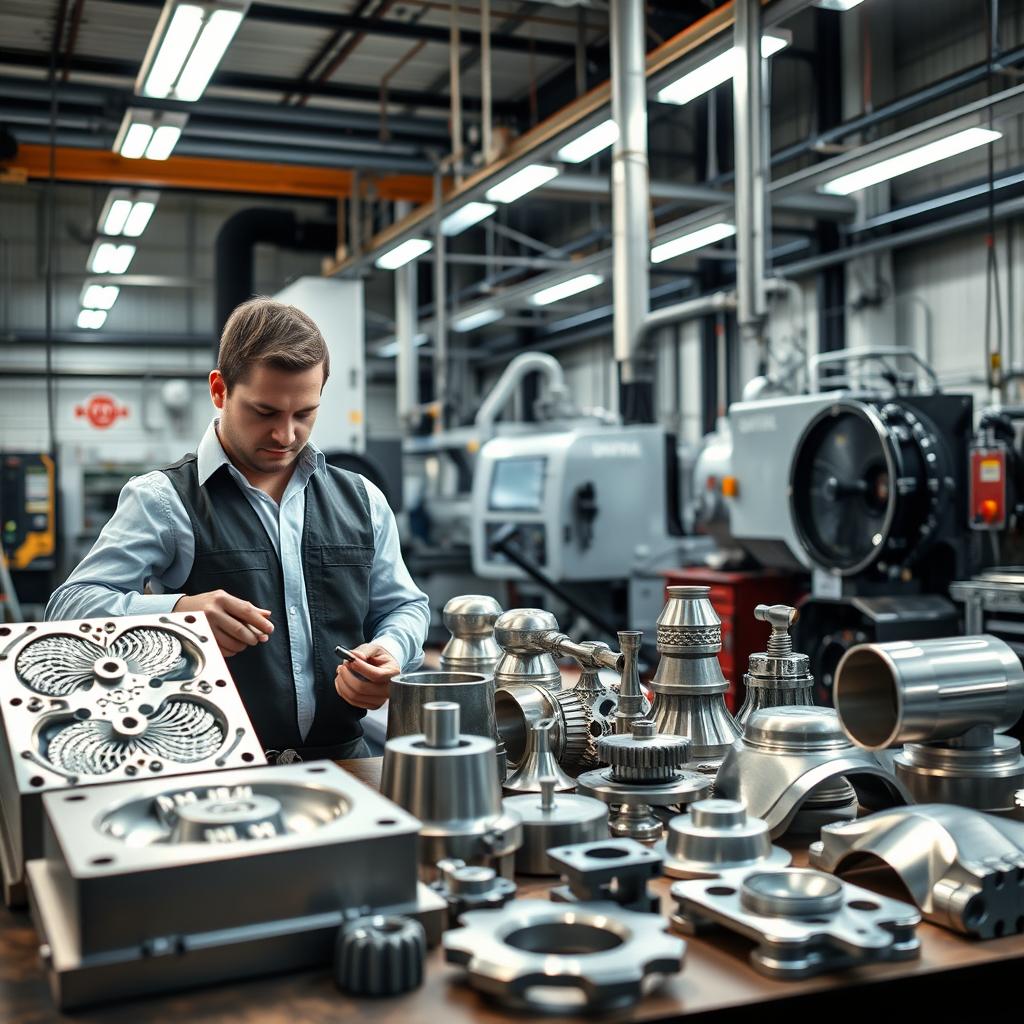
Automation is making investment casting more efficient and cheaper. Machines are now doing jobs like injecting wax and building molds. This leads to better and more consistent results.
The use of robotics in foundries is growing too. It makes processes more precise and faster. This boosts productivity and makes the workplace safer.
Trends in Sustainable Practices
Sustainability is a big deal in investment casting now. Foundries are using eco-friendly practices like recycling water and cutting energy use. They’re also using green materials for molds and working on waste reduction.
| Innovation | Benefit | Industry Impact |
|---|---|---|
| 3D Printing | Complex designs, reduced production time | Aerospace, Medical |
| Simulation Software | Improved quality, reduced defects | Automotive, Aerospace |
| Automation | Increased efficiency, reduced labor costs | Aerospace, Medical, Automotive |
| Sustainable Practices | Eco-friendly, waste reduction | All industries |
Investment Casting vs. Traditional Methods
Investment casting, also known as precision casting, is a key part of the manufacturing world. It’s great for making complex shapes with high accuracy. This method has been around for thousands of years, showing its lasting value.
Historical Perspective
Investment casting has been around for ages. Early civilizations used simple versions of this method. Today, it uses advanced materials and tech to make it even better.
Historical Development: Over time, it has improved a lot. This includes better wax patterns, shell materials, and ways to melt metals.
Modern Advancements
New technologies have made investment casting even better. Computer-aided design (CAD) and 3D printing help create detailed wax patterns. This lets us make more complex designs.
Companies making investment castings use modern tools and quality checks. This ensures their products are top-notch.
| Feature | Investment Casting | Traditional Casting |
|---|---|---|
| Precision | High | Variable |
| Complexity | High | Limited |
| Surface Finish | Smooth | Rough |
Industry Impact
Investment casting has changed many industries. The aerospace and medical device fields have seen big benefits. It’s great for making parts with detailed designs and high accuracy.
This method is key for making important parts. Its ability to create complex shapes with precision is unmatched.
Understanding the Cost of Investment Casting
It’s key for companies to grasp the cost of investment casting. This method, also known as lost wax casting, has several factors that affect its price.
Influential Cost Factors
Several elements play a role in the cost of investment casting. These include the part’s design complexity, the material used, and how many parts are made.
The part’s design complexity is a big factor. Intricate designs need more detailed wax patterns and more labor.
- Material costs vary a lot based on the metal or alloy type.
- How many parts are made affects the cost per unit. Making more parts usually lowers the cost per part.
| Factor | Impact on Cost |
|---|---|
| Part Complexity | More complex parts cost more due to detailed wax patterns and labor. |
| Material Type | Different materials have different prices, with some alloys being pricier. |
| Production Volume | Making more parts lowers the cost per unit. |
Economic Advantages
Investment casting may have high initial costs, but it has many economic benefits. It lets you make parts with complex shapes and tight tolerances. This means you might not need to do as much machining afterward.
Experts say, “Investment casting is a cost-effective way to make complex parts. It saves on machining costs and lets you create parts with detailed features.”
“The precision and complexity of investment casting can greatly reduce production costs. This is because it often means less machining is needed after casting.”
Case Studies on Cost Efficiency
Many case studies show how investment casting can save money. For example, a top aerospace company cut its costs by 30% by using investment casting for a key part.
By looking at these case studies, manufacturers can see how investment casting can be cost-effective for their needs.
Future of Investment Casting
New trends and technologies are changing the investment casting world. We need to look at current market trends, growth predictions, and its role in new technologies.
Market Trends
The investment casting market is moving towards more sustainable and efficient ways. It’s adapting by using advanced technologies like 3D printing for making wax patterns and shells.
There’s a growing use of advanced materials and alloys. This is because of the need for parts that can handle extreme conditions in aerospace and defense. Also, near-net shape casting is becoming more popular. This reduces the need for machining after casting, making it more efficient.
Predictions for Growth
The investment casting industry is expected to grow a lot in the next few years. This growth will come from its use in many sectors. The aerospace industry will be a big driver, needing lightweight, strong parts.
The medical device manufacturing sector will also help the industry grow. Investment casting is used to make precise and intricate parts for medical implants and tools.
Key Growth Drivers:
- Increasing demand from the aerospace industry
- Growing adoption in medical device manufacturing
- Advancements in technology and materials
Role in Emerging Technologies
Investment casting will be key in new technologies, especially in renewable energy and electric vehicles. Its ability to make complex parts with high precision makes it perfect for these industries.
| Emerging Technology | Application of Investment Casting |
|---|---|
| Renewable Energy | Production of turbine components and other complex parts |
| Electric Vehicles | Manufacturing of lightweight, high-strength components for vehicle parts |
Resources for Investment Casting
Looking into investment casting? There are many resources out there. Both experts and beginners can find useful information. You can learn from industry groups, educational programs, and research papers.
Industry Associations
The American Foundry Society (AFS) is a great place to start. They offer technical papers, conferences, and chances to meet others in the field. These groups help grow the investment casting industry, especially in aerospace.
Educational Programs
Many schools and training centers teach investment casting. They cover important topics like how to improve the process and choose the right materials. These programs give you the skills to do well in the field and see the value of investment casting.
Research Publications and Journals
AFS and other publications share the latest in investment casting research. These are key for keeping up with new trends and understanding its benefits in different fields.
FAQ
What is the fundamental meaning and significance of investment casting in modern manufacturing?
Why is the process frequently called lost wax casting?
What are the primary investment casting benefits for industrial designers?
How is aerospace casting different from general commercial casting?
Which materials are most commonly used by investment casting services?
How does investment casting compare to sand casting in terms of cost and quality?
What are the typical investment casting applications in the medical industry?
What challenges do manufacturers face during the heat treatment of cast parts?
How is automation transforming the modern investment casting foundry?
What are the emerging trends in sustainable practices within the casting industry?
Where can professionals find reliable research and resources for investment casting?