Vehicle History Revealed: Make Informed Purchases

When you buy a used car, knowing its history is key. A vehicle’s past can greatly affect its current state and future dependability.
Looking into a vehicle’s history can uncover critical details. This includes past accidents, who owned it before, and any big repairs. This info is essential for making a wise buying choice.
By learning about a car’s history, you can steer clear of problems. This way, you ensure your investment is a good one.
Key Takeaways
- Understanding a vehicle’s past is key when buying a used car.
- A vehicle’s history can show past accidents and major repairs.
- Checking the history helps buyers make smart choices.
- Knowing the history can help avoid future issues.
- A vehicle’s background is vital for judging its current state and future reliability.
Why Vehicle History Matters
Looking into a car’s past can change your mind about buying it. A detailed car history report shows you the car’s past, like any big accidents or previous owners. It also points out any issues that might affect how well the car works and lasts.
Understanding Its Importance
A vehicle accident report is very important. It tells you about the car’s condition and if it’s reliable and safe. Reports like HPI and MOT tests in the UK, or similar ones elsewhere, are key. They give a full history of the car, including any finance issues, damage, or repairs needed.
Knowing a car’s history helps you avoid buying one with hidden problems. This could save you a lot of money on repairs later. Also, a clean history makes the car easier to sell.
How It Impacts Resale Value
A car’s history affects how much it’s worth when you sell it. Cars with no major accidents or damage keep their value better. A car history report shows if a car has been in big crashes, had previous owners, or has recalls.
If a car’s history looks good, buyers trust the seller more and might pay more. But, a car with a bad history might scare off buyers, leading to lower offers or no offers at all.
So, knowing and sharing a car’s history is key for sellers who want to get a good price. It shows trust and honesty to buyers.
Key Components of a Vehicle History Report
A detailed vehicle history report has many important parts. These parts can greatly affect a buyer’s choice. It’s key to know what to look for in such a report.
Title Information
The title information section shows the vehicle’s ownership history. It also lists any major events that have changed the title. A VIN check can show this important info. It helps buyers understand the vehicle’s past.
Accident History
Accident history is a critical part. It lists any accidents or damage to the vehicle. This info is key because it shows hidden problems or needed repairs. By looking at the accident history, buyers can judge the vehicle’s condition and risks.
Service Records
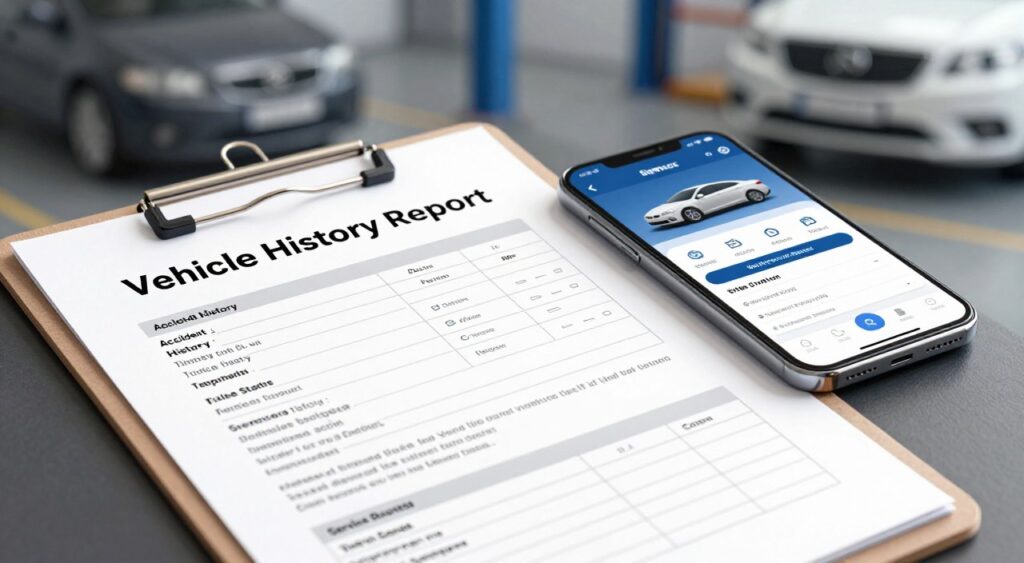
Service records show maintenance and repairs done on the vehicle. Regular servicing means the vehicle is well-kept. But, a lack of records might mean neglect. Looking at service records helps buyers see how well the vehicle has been cared for.
Odometer Readings
Odometer readings are vital for checking the vehicle’s mileage. They help spot any tampering. Any odd readings could mean fraud. So, it’s important to check these readings when looking at a vehicle’s history.
Knowing these key parts of a vehicle history report helps buyers make better choices. It’s important to look at each part carefully. This way, buyers can get a full picture of the vehicle’s past.
Where to Obtain Vehicle History Reports
To make an informed purchase, it’s essential to know where to find a trustworthy vehicle history report. This report can provide key information about a used car’s past. It includes details on accidents, previous owners, and service records.
Trusted Online Services
Several online services specialize in providing detailed vehicle history reports. Carfax and AutoCheck are well-regarded for their detailed reports. You can enter the vehicle’s VIN to get a report with title information, accident history, and odometer readings.

Dealerships vs. Private Sellers
When buying a used car, you can get a vehicle history report from a dealership or a private seller. Dealerships often provide these reports as part of their sales process. But, it’s important to verify the information. Private sellers may not always have this information readily available, so it’s up to the buyer to request it.
Free vs. Paid Reports
There are both free and paid vehicle history reports available. While free reports can provide some basic information, paid reports offer more detailed insights. For example, a paid report might include more detailed service records and accident history. It’s worth investing in a paid report to get a clearer picture of the vehicle’s condition.
When deciding between free and paid reports, consider the risks and costs of buying a used car without a thorough history check. A paid report can help you avoid costly surprises down the road.
How to Read a Vehicle History Report
A vehicle history report gives you important info about a car’s past. It’s key for anyone buying a used car. It shows the car’s history and any issues that might affect its value or safety.
Deciphering Key Terms
When you look at a vehicle history report, you’ll see terms you might not know. Knowing these terms helps you understand the report well. For example, a “clean title” means the car wasn’t in a big accident or damaged a lot. But, a “salvage title” means it was badly damaged and might not work on the road.
Key terms to understand:
- Odometer reading: The car’s mileage at the time of the report.
- Accident history: Any recorded incidents involving the vehicle.
- Title information: Details about the vehicle’s ownership history and any title brands.
What to Look For
When you check a vehicle history report, focus on a few important things. First, make sure the VIN (Vehicle Identification Number) matches the car you’re looking at. Then, look at the odometer readings to see if they seem right or if they’ve been changed.
Important information to check:
| Category | Description | What to Look For |
|---|---|---|
| Odometer Readings | Recorded mileage at different points in time. | Inconsistencies or unusually high mileage. |
| Accident History | Details of any accidents or damage. | Frequency and severity of incidents. |
| Title Information | Ownership history and title brands. | Clean title or presence of salvage/flood titles. |
Warning Signs in the Report
Some red flags in a vehicle history report mean trouble. For example, if the odometer readings don’t match up or if there have been many accidents, it might not be a good car to buy.

Warning signs to watch out for:
- Multiple owners in a short period.
- Salvage or flood titles.
- Inconsistent or missing odometer readings.
Knowing how to read a vehicle history report helps you make a smart choice when buying a used car. This knowledge lets you negotiate better or avoid a bad deal.
The Role of VIN in Vehicle History
The Vehicle Identification Number (VIN) is key in finding a vehicle’s history. It’s like a fingerprint for cars, giving details on the car’s make, model, and past.
What Is a VIN?
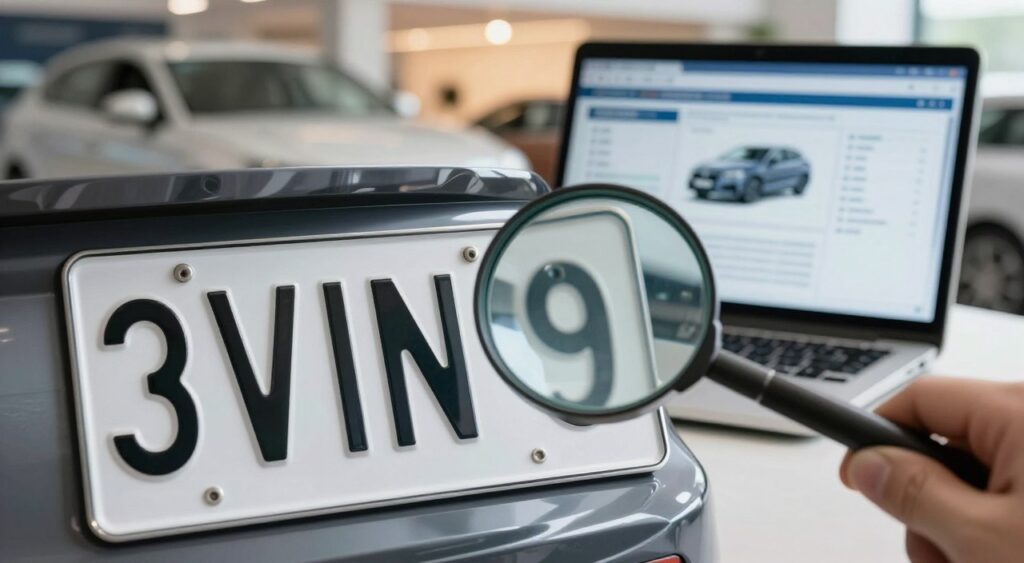
A VIN is a 17-character code for cars made after 1981. It tells you about the car’s make, model, year, engine type, and more. “The VIN is the backbone of any vehicle history report,” say car experts.
How to Decode a VIN
Decoding a VIN can tell you a lot. The first three characters show where the car was made, who made it, and what type it is. The next six characters give details on the car’s features, like the engine and model year. Knowing how to decode a VIN helps check if a car is real and its history.
Why VIN Is Essential for History Checks
Doing a VIN check is key to learning about a car’s past. It shows accidents, previous owners, and recalls. This info is important for smart buying and avoiding problems. As experts say,
“A VIN check can save buyers from financial losses and ensure their safety on the road.”
In short, the VIN is vital for checking a car’s history. Knowing what a VIN is, how to decode it, and its role in history checks helps buyers make better choices.
Common Misconceptions About Vehicle History
Many myths surround vehicle history. Buyers often rely on incomplete or wrong info, leading to costly errors.
Myths vs. Facts
Some think a vehicle history report is only for new cars. But, a car history report can uncover hidden issues, no matter the car’s age.
Another myth is that a clean title means a car is perfect. A clean title is good, but it doesn’t mean the car has never been in an accident or had big repairs. It’s key to check the vehicle accident report for any warning signs.
The Truth About Clean Titles
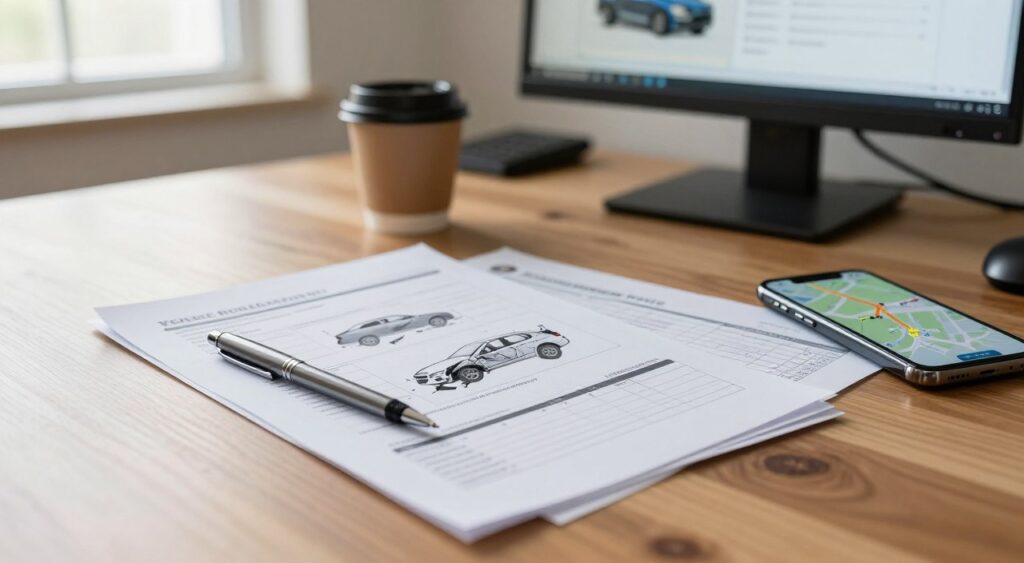
A clean title means the car wasn’t declared a total loss by insurance. Yet, it doesn’t show the whole story. For example, a car might have a clean title but have been in a big accident not reported to insurance.
To really understand, buyers should look at service records and odometer readings, not just the title.
Understanding Salvage Titles
A salvage title means the car was declared a total loss by insurance. This can lower the car’s value. But, some cars with salvage titles can be fixed and driven again.
Buyers should be careful and check the car well, or get a mechanic’s opinion. This helps figure out the damage and if there will be more problems.
| Title Type | Description | Implications for Buyers |
|---|---|---|
| Clean Title | Vehicle has not been declared a total loss. | Generally considered lower risk, but a full history check is needed. |
| Salvage Title | Vehicle declared a total loss due to damage. | Significant risk of hidden problems; buyer should be cautious. |
| Rebuilt Title | Vehicle was salvaged but then repaired and inspected. | Could be a good option if inspected and certified well. |
Knowing the truth about vehicle history helps buyers make better choices and avoid problems.
The Benefits of Performing a Vehicle History Check
Getting a vehicle history check does more than just check the car’s past. It gives you a full picture that can really help you decide if you should buy the car.
Avoiding Possible Losses
One big plus of a vehicle history check is avoiding big money losses. It can show you if the car has had accidents or big repairs in the past. This way, you can steer clear of cars that might cost a lot to fix later.
For example, a report might show a car was in a big crash. This could mean big repair bills later. Knowing this helps you make a smarter choice and might let you talk the price down.
Getting a Better Deal
Having a detailed report can also give you more power to negotiate. Sellers might be more willing to lower the price if they know you know the car’s history.
Let’s say the report shows the car has had many owners or was in an accident. You can use this info to ask for a lower price. This can really help you get a fair deal.

Feeling More Secure
But there’s more to it than just saving money. A vehicle history check also gives you peace of mind. It tells you if the car is reliable and safe.
This is key when buying a used car. It’s hard to tell what’s under the hood just by looking. A report can make you feel sure about your choice.
In short, getting a vehicle history check is a smart move when buying a car. It helps you avoid big losses, gets you a better deal, and makes you feel secure. By using these reports, you can buy a car with confidence.
Vehicle History and Insurance Companies
Vehicle history is key for insurance companies to figure out risk and set policy rates. Knowing this can help you make smart choices about your vehicle insurance.

How Insurance Companies Use Vehicle History
Insurance companies look at vehicle service history and vehicle ownership history to judge risk. They use this info to guess the chance of future claims.
They check for things like past accidents, flood damage, or tampered odometers. This info is key to figuring out the vehicle’s value and your insurance cost.
Impact on Premiums
Vehicle history data can really change your insurance rates. Cars with clean histories usually get lower rates. Cars with accident or damage history might pay more.
For example, a car in a big accident is seen as riskier, so rates go up. But a car with a detailed service history might get lower rates because it’s seen as well-kept.
Claims History and Your Coverage
A car’s claims history is also important to insurance companies. If a car has had many or serious claims, it’s seen as riskier. This might mean higher rates or even no policy.
Knowing how your car’s history affects your insurance can help you get better rates. It’s important to check your car’s history report often and fix any problems that could raise your insurance costs.
The Connection Between Vehicle History and Safety
A vehicle’s history is linked to its safety. Knowing a car’s past is key to understanding its safety today. It’s important for buyers to check a car’s history before buying.
Understanding Recalled Vehicles
Recalls are a big part of a vehicle’s history. A recall means a car or part has a safety issue. It’s important to check if a car has been recalled to ensure it’s safe.
To check for recalls, buyers can use the National Highway Traffic Safety Administration (NHTSA) website. They can enter the Vehicle Identification Number (VIN) to see if there are any recalls.
“Regular checks for recalls can save lives by ensuring that safety issues are addressed promptly.”
Past Accident Severity and Future Risks
Past accidents can show future risks. A car in a severe accident might have hidden problems, even if fixed.
- A vehicle accident report gives details on the accident and damage.
- Knowing about past accidents helps buyers understand the car’s risks.
Doing a vehicle background check helps buyers learn about the car’s history. This includes past accidents. It helps them make a better choice when buying.
Making Informed Purchases with Vehicle History
To make a smart choice, it’s key to look into the vehicle’s past. Use VIN checks and car history reports for this. This step helps you know the car’s state and any future problems.
Creating A Checklist
Before buying, make a detailed checklist from the vehicle history report. It should cover:
- Any accidents or damage in the history.
- Odometer readings to check for tampering.
- Service records to see the car’s maintenance.
- Title information to check for major issues like salvage titles.
Going through these points helps you understand the car’s condition better.
Additional Questions to Ask Sellers
With the vehicle history report, you can ask better questions to the seller. For example:
- What caused any accidents or damage?
- How has the car been maintained?
- Are there any issues not in the report?
These questions give you deeper insights into the car’s past and its current state.
Negotiating Based on Findings
The details from a VIN check and car history report are great for negotiations. If the report shows negative history, you can:
- Negotiate a lower price based on the car’s true value.
- Ask the seller to fix any issues before buying.
- Walk away if the risks are too high.
As one expert said,
“A thorough vehicle history check can save you from a world of trouble down the road.”
This shows how important it is to be informed when buying a car.
By using these steps and the car history report, you can make a wise choice. This ensures your purchase is both smart and safe.
Conclusion: Empowering Your Car Buying Experience
Knowing a car’s past is key to making a smart buy. A detailed look at a car’s history can show you its true state. This helps you steer clear of big problems.
Key Takeaways
Looking into a car’s history gives you important details. You’ll learn about its title, accidents, service records, and mileage. This info is essential for knowing the car’s condition and its worth.
Resources for Further Research
If you want to explore more about car history, many online tools are out there. Sites like the National Highway Traffic Safety Administration (NHTSA) and the National Insurance Crime Bureau (NICB) have lots of info. They cover safety, recalls, and theft records. Using these resources helps you make a better choice when buying a used car.
FAQ
What is a vehicle history report, and why is it important?
How can I obtain a vehicle history report?
What information is included in a vehicle history report?
How do I read and understand a vehicle history report?
What is the significance of the Vehicle Identification Number (VIN) in checking a vehicle’s history?
Can a clean title guarantee a vehicle’s safety and reliability?
How do insurance companies use vehicle history reports?
What are the benefits of performing a vehicle history check?
How can I use a vehicle history report to negotiate a better price?
What are some common misconceptions about vehicle history?

You Might Also Like