Gluing 101: A Beginner’s Guide to Adhesive Bonding
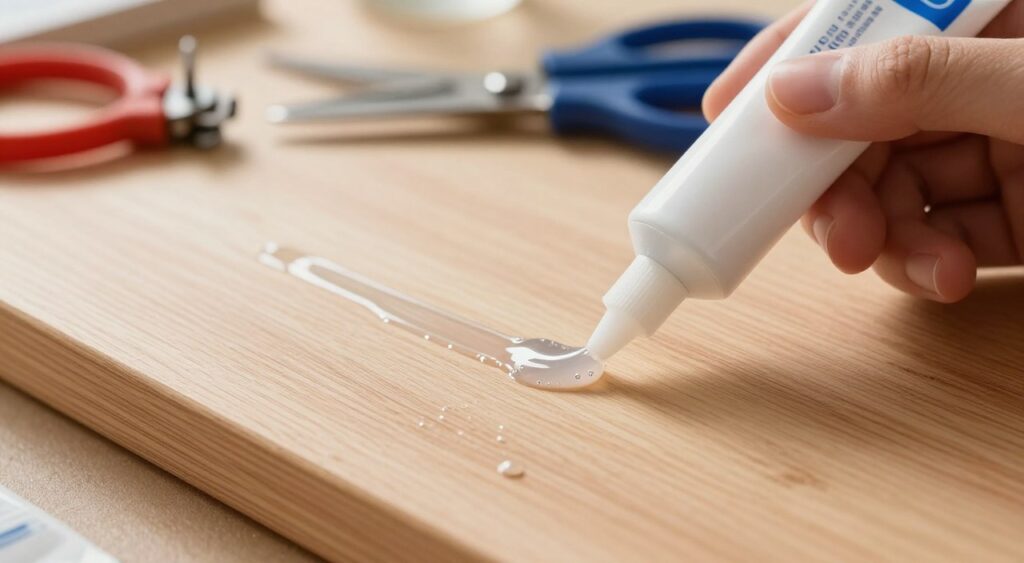
Adhesive bonding is key in many fields like construction, manufacturing, and crafting. It uses adhesives to bond materials together, making strong and lasting joints.
Whether you’re a DIY fan or a pro, knowing the basics of gluing and adhesive bonding is vital. This guide will cover the basics of adhesive bonding. We’ll look at adhesive types, how to prepare surfaces, and bonding techniques.
Key Takeaways
- Understanding the importance of adhesive bonding in various industries
- Learning the basics of gluing and adhesive bonding
- Discovering the different types of adhesives and their applications
- Mastering surface preparation techniques for optimal bonding
- Applying effective bonding techniques for strong and durable joints
Understanding Adhesives: The Basics of Gluing
Learning about adhesives is key to successful bonding in many areas, like crafting and industrial work. Adhesives stick materials together by attaching to their surfaces. How well they work depends on the type of adhesive and how well the surfaces are prepared.
What is Adhesive Bonding?
Adhesive bonding is when you join materials with an adhesive. It’s used in many fields because it spreads out the load, making the bond stronger. Adhesive bonding is great for materials that can’t be welded or bolted easily.
Different Types of Adhesives
There are many kinds of adhesives, each with its own strengths and uses. Here are a few:
- Epoxy adhesives are strong, resist chemicals and heat well.
- Acrylic adhesives dry fast and work on many materials.
- Polyurethane adhesives are flexible and good against shock and vibration.
- Cyanoacrylate adhesives, or super glues, dry quickly when they touch moisture.
New developments in adhesives include sustainable adhesives from companies like Henkel. These aim to be eco-friendly without losing strength.
How Adhesives Work
Adhesives create a strong bond between two surfaces. They wet the surface, stick to it, and then harden to make a lasting bond. The adhesive’s adhesive properties, like its thickness and how it dries, are important to pick the right one for your project.
Choosing the Right Adhesive for Your Project
There are many glue types out there. Knowing what your project needs is key to picking the right one. You must think about several important factors that affect how well the glue works and how long it lasts.
Factors to Consider When Selecting Adhesives
First, think about the materials you’re bonding. Different materials need different glues. For example, metal needs strong glues like epoxy adhesives or acrylic adhesives because they handle heat and stress well. Plastic, on the other hand, might need glues that are flexible and can handle impacts, like cyanoacrylate or polyurethane adhesives.
Also, the environment around your project matters. Things like moisture, temperature changes, and chemicals can change how well the glue works. In places like the aerospace field, glues must handle extreme temperatures and conditions, like Park Aerospace’s film adhesive does for high-temperature bonding.
| Material | Recommended Adhesive Type | Characteristics |
|---|---|---|
| Metal | Epoxy, Acrylic | High strength, temperature resistance |
| Plastic | Cyanoacrylate, Polyurethane | Flexibility, impact resistance |
| Wood | PVA, Epoxy | Strong bonding, water resistance |
Popular Adhesive Types and Their Uses
There are many adhesive types for different uses. Cyanoacrylate adhesives, or super glues, are great for small, precise jobs and dry fast. Epoxy adhesives are very strong and used in building, cars, and space. Hot melt adhesives bond quickly and are used in packaging and putting things together.

Safety Considerations
Working with adhesives needs careful safety steps. Always follow the instructions on the label. Wear gloves and goggles to protect your skin and eyes. Make sure the area is well-ventilated to avoid breathing in fumes. Some glues, like cyanoacrylate, can stick to skin fast, so be careful.
In summary, picking the right glue means knowing your materials, the environment, and your project’s needs. By thinking about these things and staying safe, you can make strong, lasting bonds.
Preparing Surfaces for Effective Bonding
Before you start gluing, make sure the surfaces are ready. This step is key for a strong bond that lasts. It greatly affects your project’s quality and durability.
Cleaning Surfaces
Cleaning the surfaces is the first thing to do. Dirt, oil, and other stuff can make the glue not stick well. Use a cleaning solution to wipe them down and get rid of any dirt or leftover stuff.
Tips for effective cleaning:
- Use a lint-free cloth to avoid leaving behind fibers.
- Avoid using harsh chemicals that can damage the material.
- Ensure the cleaning solvent is compatible with the surface material.
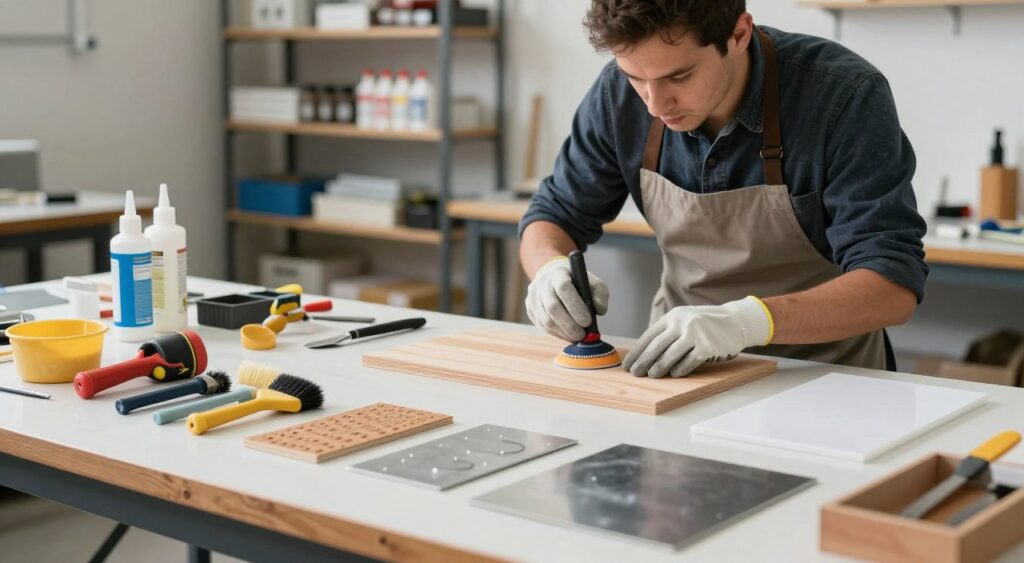
Roughening or Sanding Techniques
Making the surfaces rougher can help the glue stick better. For plastics or metals, a primer like XlynX’s PlastiLynx PXN can make it even stronger.
The benefits of roughening include:
- Increased surface area for bonding.
- Improved mechanical interlocking.
- Enhanced overall bond strength.
Drying Time: Why It Matters
Drying time is very important when gluing. Make sure the surfaces are dry before you apply the glue. If they’re wet, the glue won’t stick well.
Best practices for drying time:
- Allow sufficient time for the surfaces to air dry.
- Use a drying agent if necessary, in humid places.
- Check that the surfaces are dry before gluing.
By following these steps, you can get a strong and lasting bond. Your project will be durable and of high quality.
Using Glue: Step-by-Step Techniques
To get a strong bond, following a step-by-step guide is key. You need to know how to apply the glue, clamp it right, and wait for it to cure.
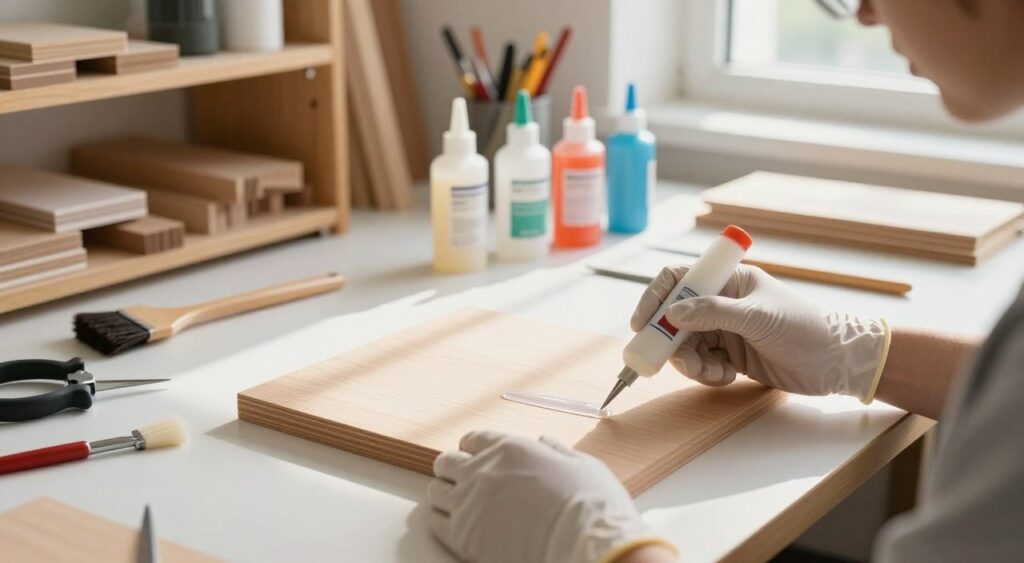
The Application Process
Starting with the right amount of glue is the first step. Too little glue can make the bond weak. Too much can cause a mess. Big Dog Adhesives’ Reload system helps by giving a steady amount of glue.
Here are some important tips for applying glue:
- Make sure the surface is clean and ready for the adhesive.
- Spread the glue evenly, using the right pattern.
- Choose the right tool for applying the glue, based on the adhesive and project.
Clamping and Positioning for Best Results
After applying the glue, it’s important to clamp and position the parts correctly. Clamping helps the adhesive spread evenly and keeps the parts together while it cures.
Here are some tips for clamping and positioning:
- Use clamps that fit your project’s size and material.
- Make sure the pressure is even to avoid too much glue.
- Position the parts carefully to align them properly, using tools if needed.
Curing Times and Patience
Curing times depend on the adhesive, temperature, humidity, and application. Being patient and letting the adhesive cure fully is key for a strong bond.
Things that affect curing times include:
- Temperature: Most adhesives cure faster in warmer temperatures.
- Humidity: Some adhesives are affected by moisture, changing curing times.
- Adhesive type: Each adhesive has its own curing process and time.
Understanding and following the curing process ensures a strong bond in your projects.
Troubleshooting Common Gluing Problems
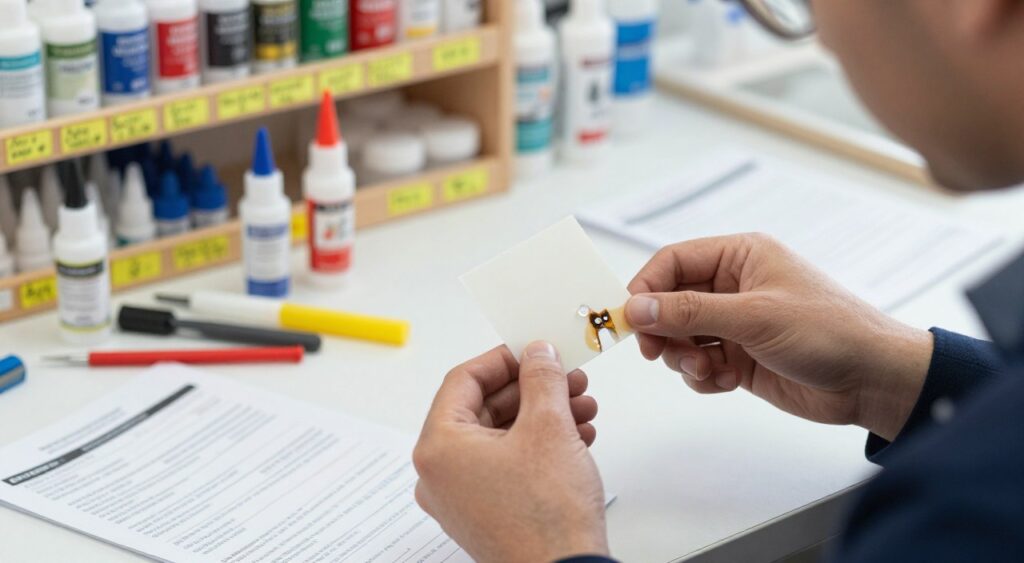
Adhesive bonding can sometimes go wrong, leading to weak bonds or other issues. It’s important to know how to fix these problems to get strong and durable bonds.
Addressing Weak Bonds
Weak bonds are a big problem in adhesive bonding. Several things can cause this, including:
- Insufficient surface preparation
- Inadequate clamping pressure
- Using the wrong type of adhesive for the materials being bonded
To fix weak bonds, make sure surfaces are clean and prepared before applying adhesive. Also, use the right adhesive for your materials and follow the manufacturer’s instructions.
Overcoming Curing Issues
Curing problems can come from wrong adhesive mixing, not enough curing time, or bad environmental conditions. To solve these issues:
- Always follow the manufacturer’s instructions for mixing and applying the adhesive.
- Make sure the bonded items are not moved during curing.
- Try to control the environment to help with curing.
Proper curing is key for the adhesive to reach its full strength. Being patient and careful can greatly improve your bond’s quality.
Tips for Cleaning Excess Adhesive
Excess adhesive can be a problem, but there are ways to clean it up. Act quickly, as the sooner you clean it, the easier it is. You can use a solvent or a scraping tool, depending on the adhesive. Always be safe when using solvents.
To avoid excess adhesive in the future, use techniques or products that reduce it.
Special Considerations for Different Materials
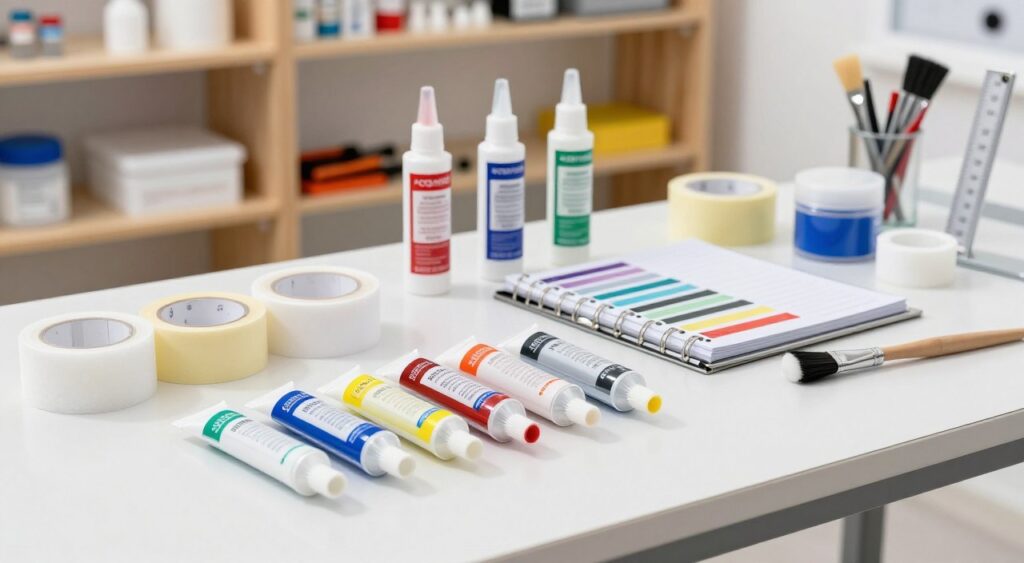
Adhesive bonding is a complex process. Different materials need special techniques and adhesives for the best results. Knowing the unique properties of each material is key to getting a strong bond.
Wood: Best Practices for Gluing
Wood is a favorite for many projects, and gluing is a common way to join it. To get a strong bond, preparing the surface properly is essential. This means cleaning it and making it slightly rough to increase bonding area.
The right adhesive for wood is also important. PVA glue is great for woodworking because it’s easy to apply and dries fast. But for projects facing moisture or extreme temperatures, polyurethane-based glue is better.
Metal Adhesive Techniques
Bonding metal needs special adhesives because of its unique challenges. Epoxy adhesives, like Huntsman Araldite, are top choices for metal bonding. They are strong and durable. Preparing the metal surface well is also key for a strong bond.
It’s important to know the type of metal you’re bonding. Some metals, like aluminum, are harder to bond than others. Using the right adhesive and following the instructions can help achieve a successful bond.
Bonding Plastics: A Unique Challenge
Plastics are tricky to bond because of their low surface energy and chemical incompatibility with some adhesives. To bond plastics well, choosing an adhesive that matches the plastic type is critical. Cyanoacrylate adhesives work well for plastics because they dry fast and bond strongly.
Preparing the plastic surface may involve cleaning and roughening. Some plastics might need special treatments like corona treatment or a primer to bond better.
Exploring Eco-Friendly Adhesives
The adhesive industry is changing fast. It’s moving towards eco-friendly options because of consumer demand and environmental worries. Now, manufacturers are making products without harmful stuff like BPA and CMR-classified substances.
The Rise of Sustainable Adhesives
There’s a big push for sustainable adhesives to lessen environmental harm. Companies like Huntsman are leading the way. They’ve created the Araldite range, which meets tough environmental standards.
Eco-friendly adhesives use materials that are better for the planet. They might come from renewable sources, break down easily, or have fewer harmful fumes.

Popular Eco-Friendly Brands
Some brands stand out in the eco-friendly adhesive market. Here are a few:
- Huntsman Araldite
- Ecomates by Henkel
- 3M’s Green Adhesives
These brands have a variety of products. They meet different bonding needs while being good for the environment.
Benefits of Using Green Adhesives
Green adhesives offer many advantages:
| Benefit | Description |
|---|---|
| Environmental Impact | They cause less harm to the environment because of lower VOC emissions and biodegradable materials. |
| Safety | They are safer for people because they don’t have toxic substances. |
| Regulatory Compliance | They make it easier to follow environmental rules and standards. |
Choosing eco-friendly adhesives helps us move towards a greener future. It also meets our bonding needs.
Creative Projects You Can Try with Gluing
Gluing is a fun way to get creative. It’s used in many projects, like DIY crafts, home improvement, and kids’ activities. Adhesives are key for these projects.
DIY Crafts and Their Adhesive Needs
DIY crafts need the right glue to look good. Hot glue guns are great for making decorations and jewelry. They dry fast and stick well.
- Use epoxy for strong, lasting decorations.
- Super Glue is best for small, delicate parts.
- For paper crafts, try a spray adhesive or glue stick.

Home Improvement Uses for Glue
Adhesives are important in home improvement. They help with flooring, furniture, and tiling. The right glue makes things last longer.
- Construction adhesive is for heavy jobs like bonding insulation.
- Wood glue is vital for fixing furniture.
- Caulk seals gaps and joints, keeping things dry.
Fun Projects for Kids with Adhesives
Gluing is fun and teaches kids about materials and how to stick things together. They can make collages, decorations, and model kits.
- Use washable glue for kids’ crafts to make cleaning up easier.
- Glitter glue makes kids’ projects more fun.
- Always watch kids when they use adhesives, like hot glue guns.
Final Thoughts on Mastering the Art of Gluing
Learning to glue well is a skill that can make your life better. It’s useful for DIY projects and work. Knowing how to bond materials can lead to strong and lasting results.
Key Takeaways
Choosing the right glue is key to gluing well. You also need to prepare surfaces and apply the glue right. This article’s tips will help you get better at gluing and tackle many projects confidently.
Continuing Your Adhesive Education
To get even better, look for special guides and tutorials on gluing. Trying new things is important. So, don’t hesitate to experiment with different glues and methods.
Embracing Experimentation with Glue
Gluing is an art that needs patience, practice, and trying new things. By exploring different glues and methods, you can find new ways to create. Whether it’s a DIY project or a big industrial job, the right glue can make a huge difference.
FAQ
What is the best adhesive for bonding wood?
How do I ensure a strong bond when gluing metal?
Can I use the same adhesive for bonding different materials?
How long does it take for adhesive to cure?
What safety precautions should I take when handling adhesives?
How do I clean up excess adhesive?
Are eco-friendly adhesives as effective as traditional adhesives?
Can I use adhesives in high-temperature applications?
How do I choose the right adhesive for a project involving multiple materials?