Car Trading Made Easy: Get the Best Price for Your Vehicle

Selling your car can seem tough, but it doesn’t have to be. With the right steps, you can get a great price for your vehicle. And make the whole process easy.
Vehicle trade-in is a smart choice. It lets you swap your old car for a new one or get a fair price for it.
Using a trade-in value calculator helps figure out your car’s worth. This way, you can make sure you get a good deal.
Key Takeaways
- Understand the importance of getting the best price for your vehicle
- Explore various options for selling your used vehicle
- Learn how to use a trade-in value calculator effectively
- Discover the benefits of vehicle trade-in
- Make the car trading process stress-free
Understanding Car Trading Basics
Knowing the basics of car trading is key to making smart choices about your vehicle. It’s about swapping your used car for a new one or cash. This is a common move in the car market.
What is Car Trading?
Car trading means selling or swapping your car, either to a dealer or privately. It’s a big part of the car world. It’s a handy way to get rid of an old car and get a new one.
Different Types of Car Trading
There are a few ways to trade in your car. You can go to a dealer or sell it privately. Dealerships make it easy but might not pay as much. Selling privately takes more work but can get you more money.
- Dealership Trade-Ins: Quick and easy, but prices are lower.
- Private Sales: Takes more time, but you might get more money.
- Online Car Trading Platforms: Mixes the ease of dealerships with the chance for higher prices.
Each way has its good and bad sides. Dealerships are fast but pay less. Private sales take longer but can pay more.
| Type of Car Trading | Advantages | Disadvantages |
|---|---|---|
| Dealership Trade-Ins | Quick and Convenient | Lower Sale Price |
| Private Sales | Potential for Higher Sale Price | More Time-Consuming |
| Online Car Trading Platforms | Combines Convenience and Possible Higher Prices | May Have Fees |
Benefits of Car Trading
Car trading has many perks, like being simple and possibly saving on taxes. It makes buying a new car easier because you can use the trade-in value towards the down payment.
The main benefits of car trading are:
- Makes buying a car simpler
- Can save on taxes
- Is a convenient way to get rid of an old car
By grasping the basics of car trading, including its types and benefits, car owners can make better choices. They can move more smoothly through the car market.
Preparing Your Vehicle for Trade
To get the best trade-in value, you need to prepare well. This means taking several steps that can really help. These steps can make a big difference in the price you get from dealerships or car auction sites.
Cleaning and Detailing
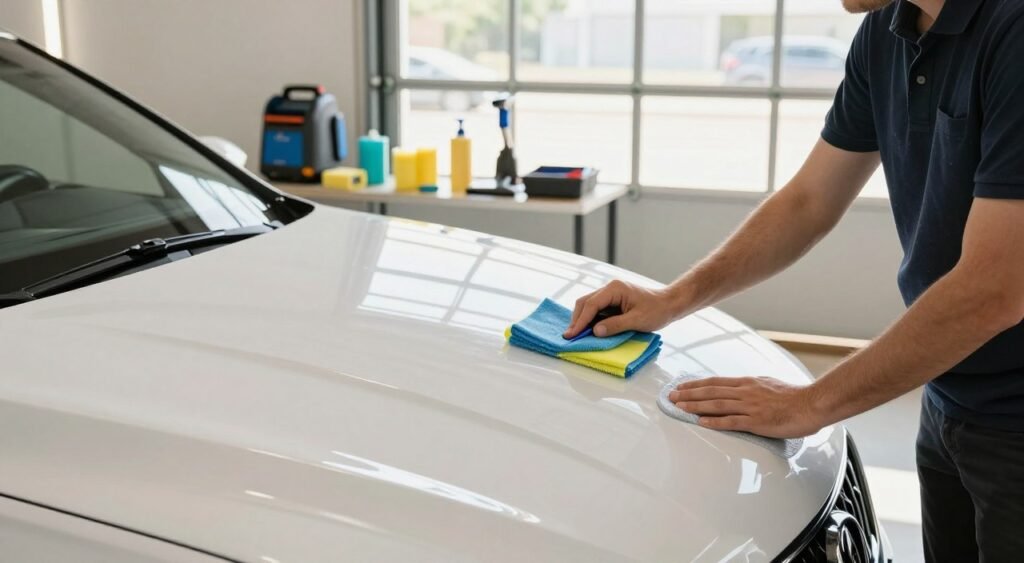
A clean, well-kept car can get you a better price. Start by washing and waxing your car to make it shine. Also, clean the inside, focusing on vacuuming, cleaning the dashboard, and conditioning leather seats if you have them.
Gathering Documentation
Having all your documents ready can make the trade-in process smoother. Collect your car’s maintenance records, registration, and any other important papers. This can help build trust with buyers or dealerships, which might lead to a better offer.
Making Minor Repairs
Fixing small problems can make your car more appealing. Repair dents, scratches, or broken lights. While big repairs might not be worth it, small fixes can make your car look better. This makes it more appealing to buyers.
Here’s a quick look at how these steps can affect your trade-in value:
| Preparation Step | Potential Impact |
|---|---|
| Cleaning and Detailing | Increases visual appeal, potentially leading to higher offers |
| Gathering Documentation | Streamlines the trade-in process, builds trust with buyers |
| Making Minor Repairs | Enhances the vehicle’s condition, making it more attractive |
By taking these steps, you can make sure your car looks its best. This is true whether you’re trading it in at a dealership or selling it through car auction sites.
Assessing Your Car’s Value
Knowing your car’s value is essential for a good trade-in. It helps you negotiate better and avoid unfair deals.
To figure out your car’s worth, look at its make, model, year, condition, and mileage. Reliable sources of information are key in this process.
Researching Market Prices
Looking at similar cars in your area helps understand what buyers want to pay. Websites for buying cars online can show you what others are paying.
Used car websites offer insights into market prices. By comparing your car’s specs with listed cars, you can estimate its value.

Using Online Valuation Tools
Online tools, like a trade-in value calculator, offer quick estimates. They ask for your car’s details and use market data to value it.
Though handy, these tools might not always match the real price. It’s wise to check their estimates against other sources.
Getting Professional Appraisals
For a precise value, get a professional appraisal. Dealerships and car appraisal services can assess your car’s condition and value.
Appraisals are great for rare, classic, or exceptional cars. They offer a credible, third-party view that can help in negotiations.
Timing Your Trade-In
To get the most for your car, timing is key. The car market changes a lot. Things like supply and demand, seasons, and the economy affect prices.
Best Times of Year to Trade
Some times are better than others to trade in your car. Trading in in the fall or early winter is good. Dealerships want to clear out old stock for new ones.
Also, end-of-model-year sales are great for trade-ins. But, trading in during summer or at the start of the year might not be as good. This is because people want new cars then.
How Market Trends Affect Pricing
Market trends really impact your car’s value. For example, electric cars are in demand, so they’re worth more. If a model is being stopped, its value might drop.
The used car market changes due to many things. Economic conditions, what people want, and new tech all play a part. Knowing these trends helps you pick the best time to trade in.

Understanding these trends and timing your trade-in right can get you a better deal. You might get a better price on car auction sites or through dealerships.
Exploring Trade-In Options
Understanding the different ways to trade in your vehicle is key to getting a good deal. The trade-in process can be done through various channels. Each has its own benefits and drawbacks.

Dealership Trade-Ins
Trading in your car at a dealership is common. It’s convenient because you can do it all in one place. Many best car dealerships give good trade-in values, making it a good choice for upgrading.
But, dealerships might not give you the highest value. They need to make a profit, so their first offer might be lower than you expect.
Private Sales
Selling your car privately can get you more money than a dealership. You can post ads on different sites to reach many buyers interested in second-hand car buying.
But, private sales take more work. You’ll need to market your car, answer questions, and negotiate prices. You also have to make sure the sale is safe and legal.
Car Trading Platforms and Apps
Digital platforms have made buying and trading cars easier. Sites like Kelley Blue Book, Edmunds, and CarMax offer online trade-ins. They give quick and competitive offers.
These platforms make trading in your car simple. They offer instant quotes and easy transactions. But, it’s important to compare offers to find the best deal.
In summary, looking at different trade-in options is important to get the most value from your vehicle. By considering dealership trade-ins, private sales, and online platforms, you can choose what works best for you.
Negotiating the Best Price
To get the most out of your car trade-in, mastering negotiation techniques is key. Negotiating the best price means knowing the market value, understanding the dealer’s offer, and knowing when to walk away.
Tips for Effective Negotiation
Effective negotiation starts with research. Use online tools like a trade-in value calculator to find your vehicle’s worth. Knowing the market value is a strong base for your negotiation.
- Be confident but polite during negotiations.
- Highlight your vehicle’s best features and any recent maintenance.
- Be prepared to provide documentation to support your vehicle’s value.
As one expert advises, “it’s best to shop around a bit when looking for a trade-in valuation.” This approach not only gives you a better understanding of your vehicle’s worth but also provides leverage during negotiations.
Understanding Dealer Offers
Dealers often make initial offers that are lower than the vehicle’s actual worth. Knowing how dealers assess trade-in values can help you negotiate a better price.
| Factor | Dealer’s Consideration | Your Leverage |
|---|---|---|
| Vehicle Condition | Inspecting the vehicle’s condition to assess its value. | Ensure your vehicle is clean and well-maintained. |
| Market Demand | Considering the current demand for your vehicle’s make and model. | Research current market trends to understand demand. |
| Comparable Sales | Reviewing sales data for similar vehicles. | Use sales data to support your requested trade-in value. |
Knowing Your Bottom Line
Before entering negotiations, it’s vital to know your bottom line—the minimum price you are willing to accept for your vehicle. This knowledge helps you stay focused and avoid making impulsive decisions.
“The key to successful negotiation is not being afraid to walk away if the terms are not favorable.”
By staying informed and prepared, you can negotiate a fair price for your vehicle and ensure a smooth car trading experience.
The Paperwork You Need
A well-prepared seller knows that having the correct paperwork is vital when engaging in the automotive marketplace. Whether you’re trading in your vehicle at a dealership, selling it privately, or using car auction sites, being organized can make a significant difference in the process.

Essential Documents for Trade-Ins
To facilitate a smooth transaction, it’s vital to have the following documents ready:
- Vehicle Title: Ensures you have the legal right to sell or trade the vehicle.
- Registration: Verifies the vehicle is registered in your name.
- Service Records: Provides a history of maintenance and repairs, boosting the vehicle’s value.
- Any Existing Warranties: If the vehicle is under warranty, this can be a big selling point.
- Odometer Disclosure Statement: Required for most vehicles, this document confirms the mileage.
Having these documents in order streamlines the trading process. It also builds trust with buyers or dealerships, potentially leading to a better deal.
Understanding Your Rights as a Seller
As a seller, you’re entitled to certain protections under the law. For instance, the Used Car Rule enforced by the Federal Trade Commission (FTC) requires used car dealers to display a Buyer’s Guide in vehicles they offer for sale. This guide includes important information about the vehicle and the warranty.
“A well-maintained car is a smart investment, regardless of the odometer reading.” This principle highlights the importance of having the right paperwork and ensuring your vehicle is in good condition, when engaging in second-hand car buying and selling transactions.
Understanding your rights can help you navigate the trade-in process more effectively. It ensures you’re treated fairly and that the transaction is legally binding.
Managing Your Vehicle’s History
Knowing and managing your vehicle’s history is key for a good trade-in. A vehicle’s history can greatly affect its trade-in value. It’s important for sellers to know about their vehicle’s past.
Importance of a Clean History Report
A clean history report can increase your vehicle’s trade-in value. It shows that the vehicle has been well-kept and has no big problems. As one source says,
“pulling a vehicle history report is a non-negotiable step in the buying process.”
This shows how important a clean history report is when trading in your vehicle.
Key benefits of a clean history report include:
- Increased trade-in value
- Improved buyer confidence
- Faster sales process
How to Obtain a Vehicle History Report
Getting a vehicle history report is easy. You can use services like Carfax or AutoCheck to get a detailed report. These reports include info on:
- Previous owners
- Accidents or damage
- Odometer readings
- Any major repairs
It’s important to check the report well and fix any problems before trading in your vehicle.

By managing your vehicle’s history and keeping a clean report, you can get the best trade-in value. This makes the transaction smooth.
Tax Advantages of Car Trade-Ins
Trading in your car can save you a lot of money, thanks to tax benefits. This is true in states that charge sales tax on new cars. It makes buying a new car less expensive.
Trading in your car means using its value to lower the cost of a new one. In many places, you only pay sales tax on the new car’s price minus the trade-in’s value. This can save you a lot.
Sales Tax Benefits Explained
One big advantage of trading in your car is the sales tax savings. For example, if you buy a new car for $30,000 and trade in one worth $10,000, you only pay sales tax on $20,000.
“Trading in your car can save a lot of money if you live in a state with sales tax,” says a top car finance expert. This shows how much you can save by trading in your car.
Here’s a table to show how much you can save:
| Purchase Price | Trade-In Value | Taxable Amount | Sales Tax (8%) |
|---|---|---|---|
| $30,000 | $10,000 | $20,000 | $1,600 |
| $25,000 | $5,000 | $20,000 | $1,600 |
| $40,000 | $15,000 | $25,000 | $2,000 |
How Trade-Ins Affect Your Tax Liability
Trading in your car can also lower your taxes. It reduces the amount you need to finance, which lowers your sales tax and overall cost.
It’s smart to talk to a tax expert or financial advisor. They can tell you how trading in your car will affect your taxes. They’ll give advice based on your situation and local laws.

Using a trade-in value calculator helps figure out your car’s value. It’s key for getting a good deal in the automotive marketplace.
Common Mistakes to Avoid
To make sure your car trade-in goes smoothly and you get a good deal, know the common errors. Trading in a car can be tricky, but knowing what to do can help a lot.
Overpricing Your Vehicle
Many car owners make the mistake of pricing their car too high. This can scare off buyers and keep your car on the market too long. Use tools like Kelley Blue Book to find out what your car is really worth.
Tips for Pricing Your Vehicle Correctly:
- Check listings for similar cars in your area.
- Consider getting a professional appraisal.
- Adjust your price according to the car’s condition and mileage.
Skipping Preparation Steps
Not preparing your car can make it less attractive to buyers. Simple steps like cleaning, detailing, and fixing small issues can really help. For example, fixing a broken tail light or replacing old brake pads can make a big difference.
Preparation is key to showing your car in the best light. It’s not just about looks; it’s also about showing the car has been well cared for.
Ignoring Market Research
Not doing your market research can lead to bad decisions. Knowing what’s in demand can help you sell at the right time. For example, selling a used truck during a construction boom can get you a better price because of high demand.
| Common Mistakes | Consequences | Solutions |
|---|---|---|
| Overpricing | Longer time on market, fewer offers | Research market value, price competitively |
| Skipping preparation | Lower offers, less appealing to buyers | Clean, detail, make minor repairs |
| Ignoring market research | Poor timing, lower sale price | Stay informed about market trends, demand |
Avoiding these mistakes can make your car trade-in smoother and more profitable. Whether you’re selling to a dealership, privately, or through car auction sites, being ready and informed is key to getting a good price.
Finalizing the Trade-In Process
Trading in your car can be easy if you’re ready. You’ve learned the basics of car trading, how to prepare your vehicle, and how to value it. Timing your trade-in is also key.
Completing the Transaction
When you’re ready to trade in, make sure you have all the right papers. This includes the vehicle’s title and any service records. A trade-in value calculator can help you get a good price.
It’s smart to compare prices from different dealerships. They might offer different values for your car. Being ready to negotiate is important.
Knowing your car’s value and the current market trends helps a lot. Trading in your car is more than just getting rid of it. It’s a smart move that can help you save money on your next car.
By following these tips, you can trade in your car successfully. This will meet your needs and stay within your budget.
FAQ
What is car trading, and how does it work?
What are the benefits of trading in my car at a dealership?
How do I prepare my vehicle for trade-in?
What is the best way to assess my car’s value?
When is the best time to trade in my vehicle?
What are my trade-in options, and which one is best for me?
How can I negotiate the best price when trading in my vehicle?
What paperwork do I need to trade in my vehicle?
Why is a clean vehicle history report important?
Are there any tax advantages to trading in my vehicle?
What are some common mistakes to avoid when trading in my vehicle?
How do I finalize the trade-in process?
How can I use online tools to buy or sell a used car?
What is the role of a vehicle trade-in value calculator?

You Might Also Like