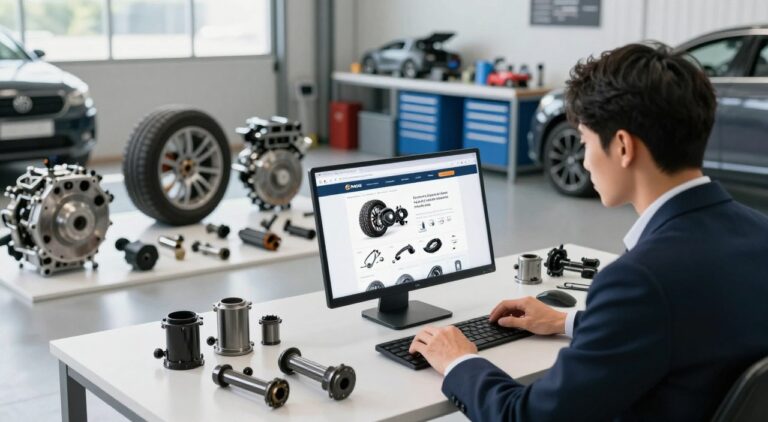
Find the Perfect Car for Your Lifestyle
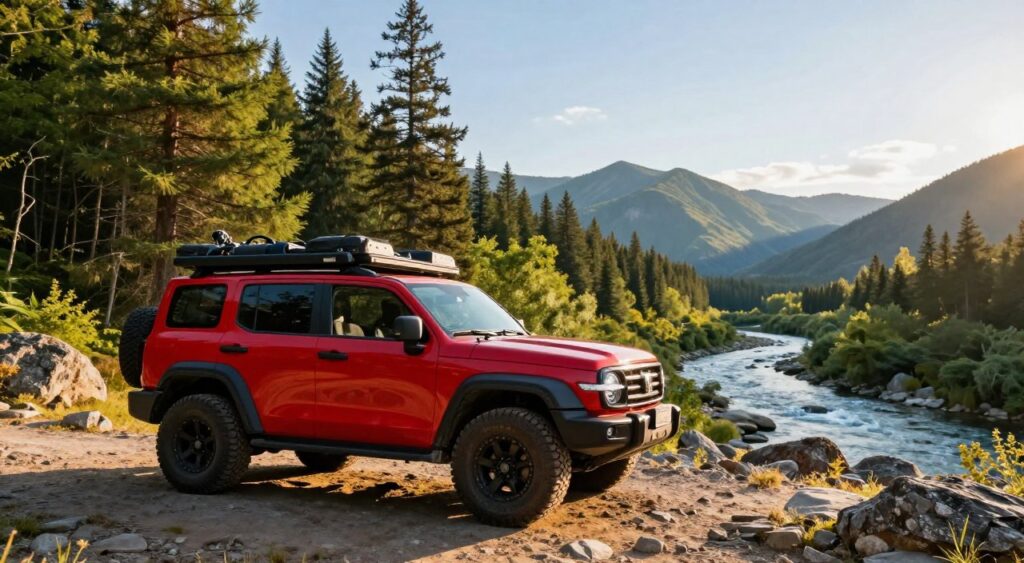
Finding the right vehicle for an active lifestyle in the USA is key. It should be rugged, have lots of space for gear, and be fuel-efficient for long drives.
The Subaru Outback Wilderness and Jeep Wrangler are great choices. They handle tough terrains well and have the features adventure lovers need.
When picking an automobile, think about AWD and ground clearance. These are important for driving on rough paths.
Key Takeaways
- Prioritize rugged capability and cargo space when selecting a vehicle.
- Consider fuel efficiency for long trips to outdoor destinations.
- AWD and ground clearance are key for navigating rough paths.
- The Subaru Outback Wilderness and Jeep Wrangler are top picks for adventure vehicles.
- Assess your lifestyle needs to find the perfect vehicle.
Understanding Your Driving Needs
To find the perfect car, you need to know what you need and how you live. Think about what affects your daily drives.
Consider if you’re driving to work or on weekend trips. City traffic needs a car that’s easy to handle and reliable. But, for longer trips, you might want something roomier and more capable.
Daily Commutes vs. Weekend Adventures
If you drive to work in the city, a sedan like the Toyota Camry is great. It’s fuel-efficient and comfy. But, for weekend trips with lots of gear, an SUV is better.
The Toyota Prius is perfect for city driving. It’s good for those who care about saving fuel and the environment.
Family Requirements and Space Needs
Family size matters when choosing a car. Big families need more room for car seats and strollers. Look at minivans or large SUVs for this.
But, if you’re single or a couple, you might want something different. You might look for a car that’s sporty or luxurious, even if it’s smaller.
Think about your driving needs before buying a car. This way, you’ll find one that fits your life and what you like.
Types of Cars to Consider
The car market is full of choices, each fitting different needs and tastes. Whether you’re at a car dealership or thinking about a car rental for your next outing, knowing what each car type offers is key.
Think about how you’ll use your car most. Different lifestyles and needs mean different vehicles are best.
Sedans: Efficient and Practical
Sedans are great for daily drives and offer a comfy ride. The 2026 Toyota Camry is a top pick for many. It’s known for being fuel-efficient and having lots of room inside.

SUVs: Versatile and Spacious
SUVs are versatile and have lots of room for people and stuff. They’re good for many things, like family trips or off-road fun. Plus, you can see more of the road from up high.
Coupe: Sporty and Stylish
Coupes are sporty and stylish, with two doors and a sleek look. They’re loved for their looks and performance. But, they often have less room inside than sedans.
Trucks: Rugged and Capable
Trucks are tough and can handle big jobs, like towing or hauling big loads. They come in all sizes, from small to huge.
Each car type has its own benefits and fits different lives and needs. Knowing what each offers helps you choose wisely at a car dealership or when renting a car.
Budgeting for Your Car Purchase
Budgeting for a car is more than just the price. It’s about knowing all the costs of owning a vehicle. This includes fuel, maintenance, insurance, and unexpected repairs.
As Consumer Reports says, “The true cost of owning a car includes more than just the purchase price.” Fuel, servicing, insurance, and repairs all add up. They are key to the total cost of owning a car.
Setting a Realistic Budget
Starting with a realistic budget is key to buying a car. You need to figure out how much you can spend each month. This should not hurt your finances.
Use the 50/30/20 rule as a guide. Spend 50% on necessities, 30% on fun, and 20% on saving and debt. This helps you plan your budget better.
Total Cost of Ownership
The cost of owning a car goes beyond the initial price. It includes:
- Fuel costs
- Servicing and maintenance
- Car insurance premiums
- Registration and taxes
- Potential repair costs
As noted by
“The cost of owning an automobile extends far beyond the initial purchase price.” – Edmunds
Financing Options and Deals
Looking into financing options is important when buying a car. You can finance through banks, credit unions, or dealerships.
It’s vital to compare rates and terms to get the best deal. Some offers might have zero down payment or low APR. But, always check the details and any conditions.
By thinking about your budget, understanding all costs, and looking at financing options, you can make a smart choice. This will help you when buying your next automobile.
New vs. Used Cars: Pros and Cons
Choosing between a new or used car can be tough. But knowing the good and bad of each can help. New cars bring the latest tech and a warranty for peace of mind. Used cars, like Toyota, offer great value with lower prices and less depreciation.

Benefits of Buying New
Buying new has many perks. You get the latest features and tech without worrying about the car’s past. New cars also come with a full warranty, saving you money on repairs and parts. Plus, they’re often more fuel-efficient and cost less to maintain early on.
Latest Technology: New cars boast the latest in automotive tech. This includes advanced safety, entertainment, and driver aid systems. If you want the newest innovations, buying new is a good choice.
Advantages of Buying Used
Used cars have their own benefits. They’re cheaper to buy, and they depreciate less over time. You can also find a wider variety of models and years. For those watching their budget, used cars are a smart pick.
Depreciation: Used cars have already taken the biggest depreciation hit. This means their value stays more stable. For example, a used 2022-2024 model can save you thousands, with prices from $25,000 to $40,000.
Depreciation Considerations
Depreciation is key when choosing between new and used. New cars lose a lot of value quickly. But used cars have already taken this hit, making them more affordable in the long run. Brands like Toyota are known for lasting long, making them a solid choice for a used car.
In the end, the choice between new and used depends on your needs, budget, and preferences. By understanding the pros and cons, you can make a choice that fits your lifestyle and wallet.
The Importance of Fuel Efficiency
Fuel efficiency is key when buying a car. It affects your wallet and the environment. With fuel costs rising, picking a fuel-efficient car is vital.
Understanding Mileage Ratings
Mileage ratings show how far a car goes on a unit of fuel. The EPA gives these ratings for new cars. This helps buyers make smart choices.
EPA mileage ratings cover city, highway, and combined driving. Knowing these can help you guess fuel costs. It helps pick a car that fits your driving style.
| Driving Type | Mileage Rating | Fuel Consumption |
|---|---|---|
| City | 25 mpg | High |
| Highway | 35 mpg | Medium |
| Combined | 30 mpg | Low |
Hybrid and Electric Options
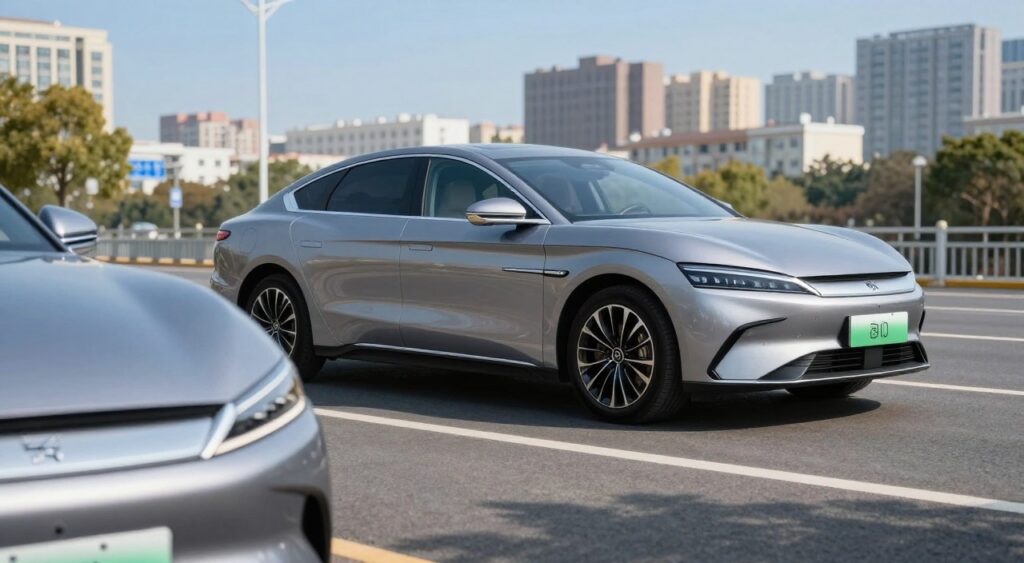
Hybrid and electric cars are more fuel-efficient than gas cars. Models like the Toyota RAV4 Hybrid and RAV4 Prime save a lot on fuel.
Studies show hybrids can cut fuel costs by up to $1,500 yearly. This is compared to gas guzzlers, with fuel at $3.50 per gallon.
Long-Term Savings on Fuel
Choosing a fuel-efficient car means big savings over time. Hybrids and electric cars cut down fuel costs a lot.
For example, a 30 mpg car uses less fuel than a 20 mpg one. This leads to big savings at the pump, even for 15,000 miles a year.
Safety Features That Matter
Today’s cars come with many safety features to keep drivers and passengers safe. As cars get smarter, safety tech plays a bigger role.
Advanced Driver Assistance Systems
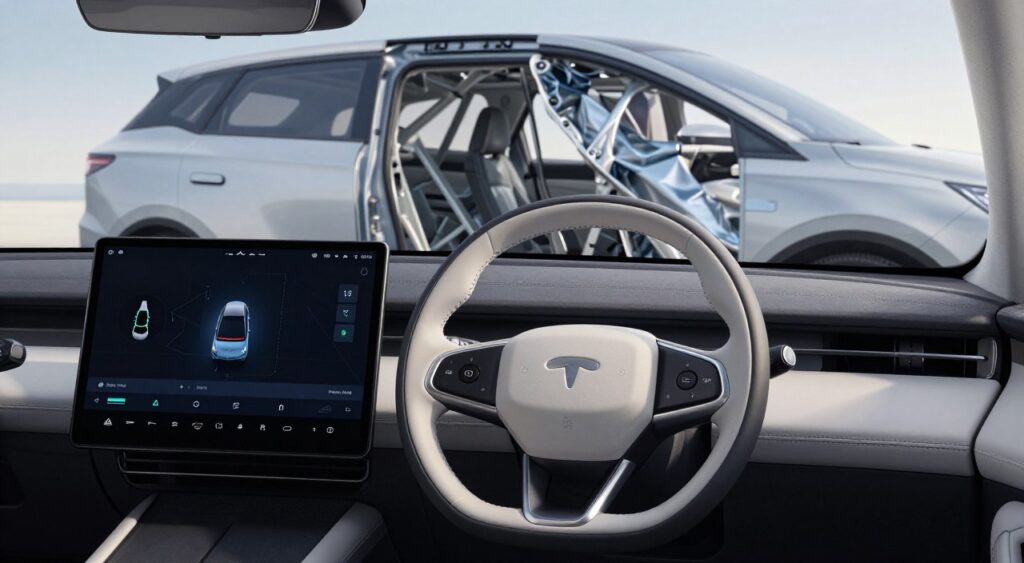
Advanced Driver Assistance Systems (ADAS) are changing how we drive. They include blind-spot monitoring, lane departure warning, and automatic emergency braking. These help prevent accidents and make driving better.
- Blind-spot monitoring alerts drivers to vehicles in their blind spots.
- Lane departure warning systems notify drivers if they drift out of their lane.
- Automatic emergency braking can automatically apply the brakes to prevent or mitigate a collision.
Crash Test Ratings and Reliability
Crash test ratings are key to knowing a car’s safety. Groups like the National Highway Traffic Safety Administration (NHTSA) and the Insurance Institute for Highway Safety (IIHS) test cars. A high rating means a car is safer.
Reliability is also important for safety. A reliable car is less likely to break down and cause accidents. Look at maintenance history and the maker’s reputation when checking reliability.
Importance of User Reviews
User reviews give insights into a car’s safety and how it performs. Reading what other drivers say can help you understand a car’s safety features better.
It’s important to look at many reviews to get a full picture. Pay attention to common themes in the feedback, like praise or criticism of safety features.
Exploring Car Technology Trends
The car industry is changing fast with new tech. Cars today are smarter, safer, and more fun to drive. They come with cool features that make driving better.
Infotainment Systems and Connectivity
Infotainment systems are a big deal now. They let you connect your devices easily. For example, wireless Apple CarPlay and Android Auto compatibility is common. This means you can use your phone without cables.
Also, wireless phone charging pads are everywhere. They make your car tidy and safe. These features make driving better and safer.

Smart Features for Modern Driving
Modern cars have smart features for safety and better driving. They come with advanced driver-assistance systems (ADAS). These include lane-keeping assist, adaptive cruise control, and automatic emergency braking.
- Lane-keeping assist helps prevent drifting out of the lane.
- Adaptive cruise control adjusts speed to maintain a safe distance.
- Automatic emergency braking can prevent or mitigate collisions.
These techs make driving safer. They also lead to new car tech ideas.
Future Innovations in Automotive Tech
The future of cars looks exciting with autonomous driving technologies. These are new and could make driving safer and smoother. They might even cut down on accidents.
Vehicle-to-everything (V2X) communication is also big for the future. It lets cars talk to each other, roads, and even people. This makes driving safer and more efficient.
As cars get smarter, tech will keep changing the driving experience. With these new features, driving will be safer, more fun, and connected.
Choosing the Right Dealership
Finding a trustworthy car dealership is key for a smooth buying experience. At Viva Honda, we hear often that customers value honest talks more than big promises. This shows how important reputation, customer experience, and service are in buying a car.
Importance of Reputation
A dealership’s reputation is based on happy customers, clear dealings, and fairness. A reputable place like Viva Honda offers a positive buying experience. Customers feel valued and respected from start to finish.
Look at a dealership’s reputation by checking their years in business, customer feedback, and awards. A well-known dealership with a strong reputation will back their vehicles and offer reliable service.

Customer Experience and Service
The service at a dealership greatly affects the customer experience. From the first contact to the final sale, exceptional customer service makes a big difference. Dealerships that focus on customer happiness have knowledgeable staff ready to help.
Also, a good dealership provides great after-sales support, like maintenance and fixing any problems. This level of service makes for a positive experience and keeps customers coming back.
Online Reviews and Recommendations
In today’s world, online reviews and recommendations are key in picking a car dealership. People often look online to read reviews, check ratings, and ask friends or family for advice.
Good online reviews boost a dealership’s credibility, while bad ones can scare off customers. So, dealerships should manage their online image well and talk to customers to build a good name.
By looking at a dealership’s reputation, customer service, and online reviews, you can make a smart choice. This way, you’ll have a great car-buying experience.
Taking a Test Drive: What to Look For
When you take a test drive, it’s important to know what to look for. This is more than just a quick spin around the block. It’s a chance to really check how the car performs, how comfortable it is, and what features it has.
Key Aspects to Evaluate
Pay attention to how the car handles on different roads. See how it speeds up, brakes, and turns. Also, listen for any odd sounds or feel for any unusual vibrations.
- Acceleration and braking performance
- Handling and steering responsiveness
- Comfort and ergonomics of the driver’s seat
- Visibility from the driver’s seat

Questions to Ask the Salesperson
Talk to the salesperson to learn more about the vehicle. Ask about its past, what maintenance it needs, and any extra features it might have.
- What is the vehicle‘s maintenance history?
- Are there any additional features or options available?
- Can I review the vehicle‘s maintenance records?
Assessing Comfort and Handling
Comfort and handling are key to finding the right car for you. Notice how smooth the ride is, even on bumpy roads.
| Feature | Description | Rating (1-5) |
|---|---|---|
| Comfort | How comfortable is the ride? | 4 |
| Handling | How responsive is the steering? | 5 |
| Visibility | How clear is the view from the driver’s seat? | 4 |
By carefully checking these things and asking the right questions, you’ll find a car that fits your needs. Think about what you need, and you’ll find the perfect vehicle for you.
Making the Final Decision
Choosing the right car is more than just picking the most expensive or safest one. It’s about finding a car that fits your life perfectly. Think about how it will work for your commute, family, and future plans.
Budget and Options
It’s important to finalize your budget and options. Look at financing deals to get the best value. Also, consider the total cost of owning the car, like fuel, maintenance, and insurance.
Trade-Ins and Offers
If you’re trading in your old car, find out its market value to get a good deal. Also, check for any extra offers or promotions from the dealership. These can make your car-buying experience better.
New Car Experience
After buying, get to know your new car’s features and settings. Enjoy the new car’s benefits, like a smoother ride, better fuel, or safety features. It will make your daily life easier.
FAQ
What factors should I consider when choosing a car for my lifestyle?
How do I understand my driving needs?
What types of cars are available, and what are their characteristics?
How do I budget for a car purchase?
Should I buy a new or used car?
Why is fuel efficiency important, and how can I calculate long-term savings?
What safety features should I look for in a car?
What are the latest car technology trends?
How do I choose the right dealership?
What should I look for during a test drive?
How do I finalize my car purchase?