Discover the Perfect Tires for Your Ride
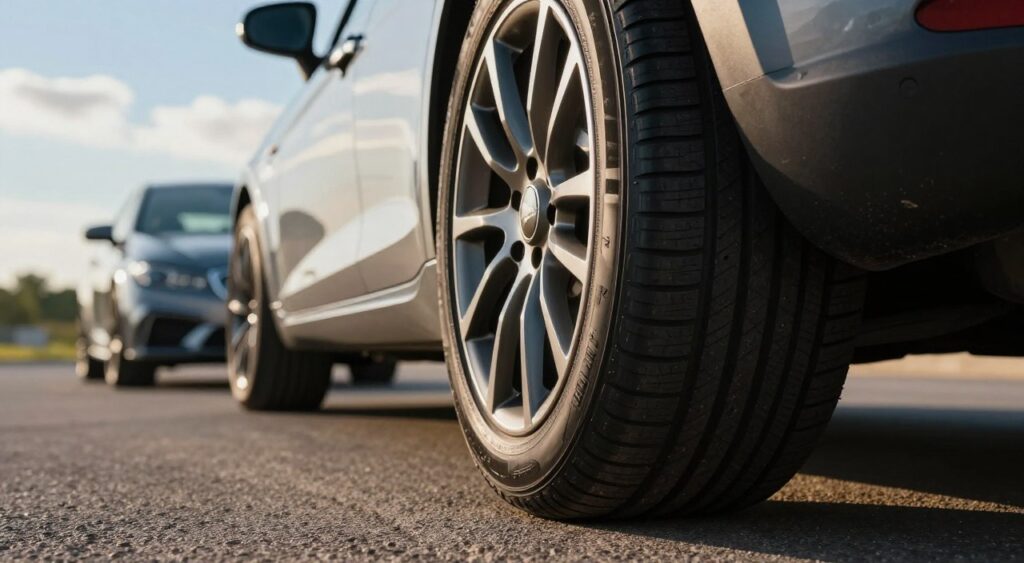
Choosing the right tires for your vehicle is key for a safe and comfy drive. With so many options out there, picking the perfect car tire can feel daunting.
Firestone tires, for example, have a wide range for different vehicles. This includes cars, trucks, SUVs, and minivans. This variety means drivers can find the perfect tire for their needs and the road conditions.
Whether you’re driving around the city or on a long trip, the right tire matters a lot. It affects how well your vehicle performs and stays safe.
Key Takeaways
- Selecting the right tire is key for a safe drive.
- Firestone tires offer a wide range for various vehicles.
- Different tires meet different driving needs and conditions.
- The right tire greatly impacts your vehicle’s performance.
- Visiting a reputable tire shop helps find the perfect tire.
Understanding Different Types of Tires
The world of tires is vast, with many types for different needs. Whether you face harsh winters, wet roads, or off-road adventures, there’s a tire for you.
All-Season Tires
All-season tires balance traction, handling, and durability in many conditions. They’re great for everyday driving in moderate climates. Michelin CrossClimate2 tires excel in wet and dry braking and snow traction.
Winter Tires
Winter tires offer better grip and control in snow and ice. They stay flexible in cold, ensuring better grip. If you live in a snowy area, these tires are essential for safe driving.
Performance Tires
Performance tires focus on handling and responsiveness. They’re best for sports cars, improving grip and cornering. But, they might not last as long as other tires.
Off-Road Tires
Off-road tires are for those who explore rough terrain. They’re built tough with aggressive treads for better traction. They handle mud, rocks, and sand well.
Here’s a comparison of the different types of tires:
| Tire Type | Traction | Handling | Durability |
|---|---|---|---|
| All-Season | Good | Good | High |
| Winter | Excellent | Good | Medium |
| Performance | Good | Excellent | Low |
| Off-Road | Excellent | Good | High |
Knowing When to Replace Your Tires
Replacing your tires at the right time is key for your safety on the road. Tires are the only thing touching the road, making their condition very important. They affect your driving safety and performance.
The U.S. Department of Transportation says to check your tires often. One key sign for replacing tires is the tread depth.
Signs of Worn Tires
Worn tires can cause problems like less traction and longer stops. They also increase the risk of tire failure. Look out for these signs:
- Low tread depth
- Cracks in the sidewall
- Uneven wear patterns
- Bulges or blisters on the tire surface
Importance of Tread Depth
Tread depth is very important for knowing when to replace tires. The minimum legal tread depth is 2/32 of an inch. But, it’s best to replace tires when the tread is 4/32 of an inch for better safety, mainly in wet conditions.
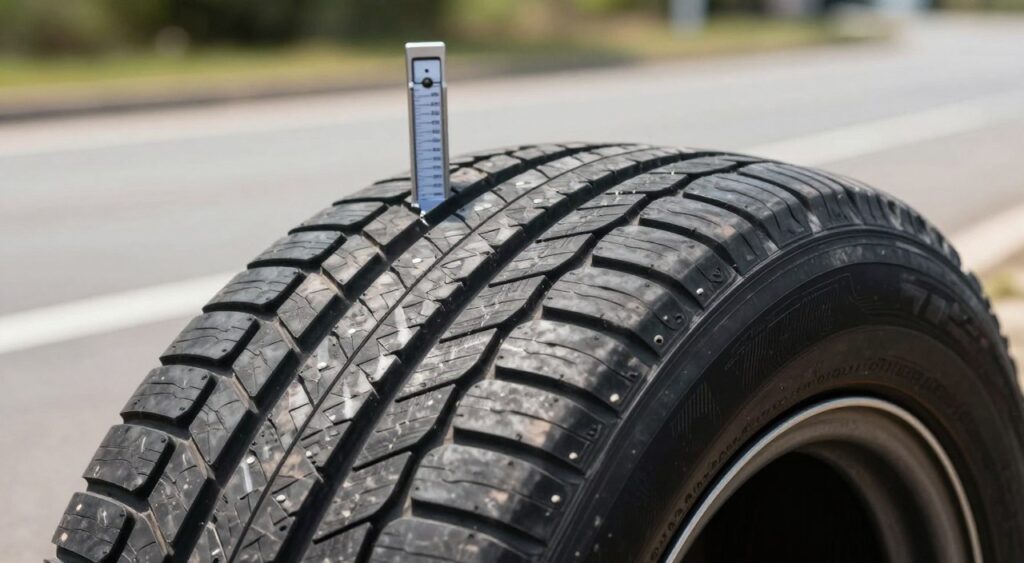
To check tread depth, use a penny. Put the penny into the tire groove with Lincoln’s head down. If you see the top of Lincoln’s head, your tread is too low, and it’s time to replace your tires.
Checking for Sidewall Damage
Sidewall damage is as dangerous as tread wear. Cracks, cuts, or bulges can cause tire failure. Always check your tires for any sidewall damage.
| Inspection Item | Description | Action Required |
|---|---|---|
| Tread Depth | Check if tread is worn down to 2/32 inch | Replace tires if necessary |
| Sidewall Condition | Inspect for cracks, cuts, or bulges | Replace tires if damaged |
| Uneven Wear | Check for uneven wear patterns | Rotate tires or adjust alignment |
Regular tire checks can spot problems early. This way, you can stay safe on the road and make your tires last longer.
Importance of Tire Maintenance
Keeping your tires in good shape is key to making them last longer and keeping your car running well. Regular care boosts safety and saves fuel, making your car easier to handle and more fun to drive.
Regular Pressure Checks
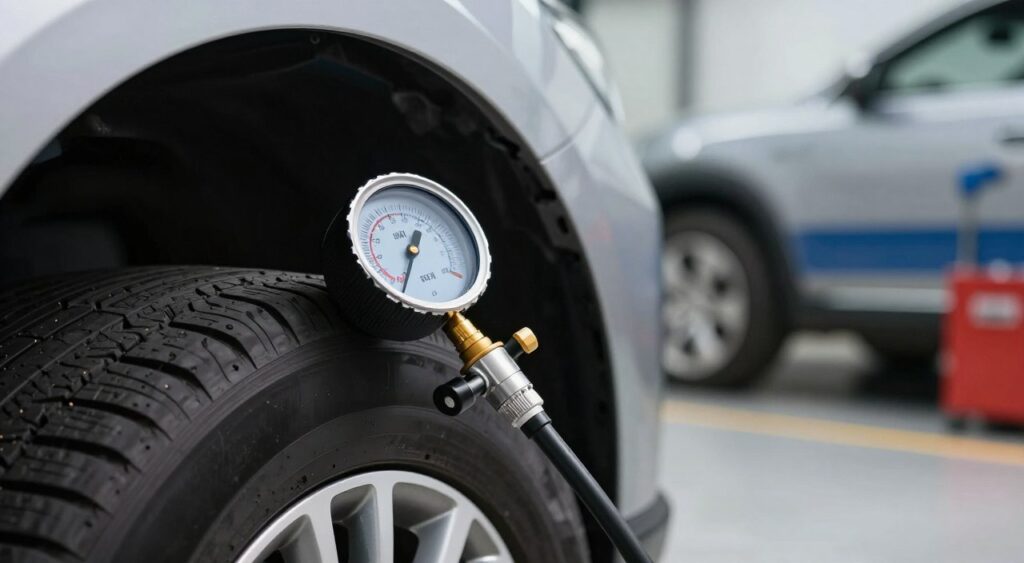
It’s important to keep your tires at the right pressure. Low pressure can make your car use more fuel, wear out tires unevenly, and affect how it handles. Check your tire pressure monthly and before long drives. Proper tire pressure can save up to 3% on fuel and make tires last longer.
Tire Rotation Frequency
Rotating your tires helps them wear evenly, which is key for good traction and longer life. How often you should rotate depends on what your car’s maker says, usually every 5,000 to 8,000 miles. Regular rotation can add up to 20% to your tire’s life.
Wheel Alignment Benefits
Having your wheels aligned right is important for even tire wear and keeping your car stable. If your wheels are off, it can cause uneven wear, shortening your tire’s life and making your car harder to control. Getting your wheels aligned regularly can make your car handle better and be safer.
| Maintenance Task | Frequency | Benefits |
|---|---|---|
| Tire Pressure Check | Monthly | Improved Fuel Efficiency, Extended Tire Life |
| Tire Rotation | Every 5,000 – 8,000 miles | Even Tread Wear, Extended Tire Life |
| Wheel Alignment | Annually or as needed | Improved Handling, Even Tire Wear |
Finding the Right Tire Size
Choosing the right tire size is key for your vehicle’s safety and performance. The correct size ensures your car handles well, gets better gas mileage, and keeps its safety features intact. The wrong size can cause problems like poor traction, tire failure, and bad handling.
Understanding Tire Metrics
Tire size isn’t just a number; it’s a mix of numbers and letters that tell you a lot about the tire. A typical size looks like “225/45R18 95V”. Let’s look at what each part means:
- 225: The tire’s width in millimeters.
- 45: The sidewall’s height as a percentage of its width.
- R: Shows the tire’s construction type, which is Radial in this case.
- 18: The wheel’s diameter in inches.
- 95: The load index, showing the tire’s maximum weight support.
- V: The speed rating, telling you the tire’s top speed.
Using Your Vehicle’s Manual
The best way to find your vehicle’s correct tire size is in the owner’s manual. It has a section on tire info, like size, pressure, and more. If you lost your manual, check the tire information placard on the driver’s side doorjamb or inside the fuel filler door.
Tools for Measuring Tires
Need to measure your tires? There are tools like digital calipers for width and height, and a tape measure for diameter. For even more precise measurements, use a tire measurement gauge.

| Tire Size Component | Description | Example |
|---|---|---|
| Tire Width | The width of the tire in millimeters. | 225 |
| Aspect Ratio | The height of the tire’s sidewall as a percentage of its width. | 45 |
| Construction Type | Indicates the tire’s construction, e.g., Radial. | R |
| Wheel Diameter | The diameter of the wheel in inches. | 18 |
| Load Index | The maximum weight the tire can support. | 95 |
| Speed Rating | The maximum speed the tire is designed for. | V |
Top Tire Brands of 2023
Choosing the right tires for your vehicle in 2023 is important. Several top brands stand out for their quality, performance, and innovation.
Michelin
Michelin is famous for its durable and high-quality tires. They have tires for all kinds of driving, from all-season to electric vehicle tires.
Key Features: Long-lasting tread life, excellent fuel efficiency, and superior handling.
Goodyear
Goodyear leads in tire technology. They have a wide range of tires, including SUV, truck, and high-performance options.
Notable Models: Goodyear Assurance WeatherReady, Goodyear Wrangler AT/SA.
Bridgestone
Bridgestone offers innovative tires for different driving needs. Their tires balance comfort, durability, and performance.
Popular Models: Bridgestone Turanza, Bridgestone Potenza.
Continental
Continental, a German company, has greatly contributed to tire technology. Their tires are known for safety, fuel efficiency, and handling.
Key Technologies: Advanced tread compounds, optimized tread patterns for reduced noise.
| Brand | Notable Models | Key Features |
|---|---|---|
| Michelin | Michelin Pilot Sport, Michelin Primacy | Long-lasting, fuel-efficient, superior handling |
| Goodyear | Goodyear Assurance WeatherReady, Goodyear Wrangler | Excellent traction, durable, comfortable ride |
| Bridgestone | Bridgestone Turanza, Bridgestone Potenza | Balanced performance, comfort, and durability |
| Continental | Continental ExtremeContact, Continental AllSeasonContact | Advanced safety features, fuel-efficient, quiet ride |
Eco-Friendly Tire Options
Eco-friendly tires are key to reducing vehicle environmental impact. The world is moving towards sustainability, and the car industry is too.
Benefits of Low Rolling Resistance
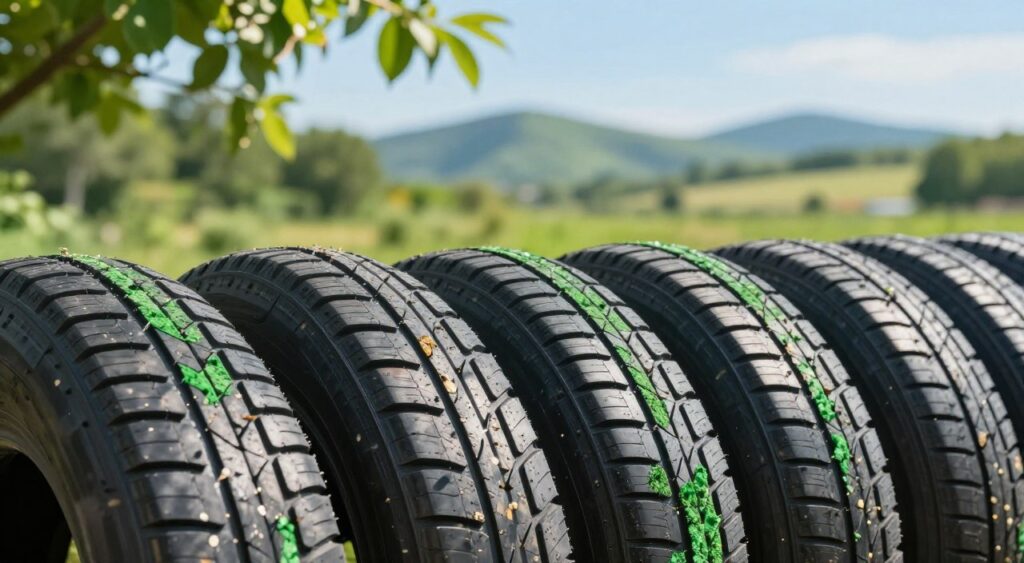
Eco-friendly tires have low rolling resistance. Tires like the Michelin CrossClimate2 save energy by reducing heat loss. This leads to improved fuel efficiency.
Low rolling resistance tires also make driving smoother and quieter. They make your ride better.
Sustainable Materials in Tires
Eco-friendly tires use sustainable materials. Tire makers are using recycled and renewable stuff. This move cuts down waste and saves resources.
Some tires use recycled rubber from old tires. Others explore bio-based materials from plants. These choices are good for the planet and make tires last longer and work better.
Exploring Tire Technologies
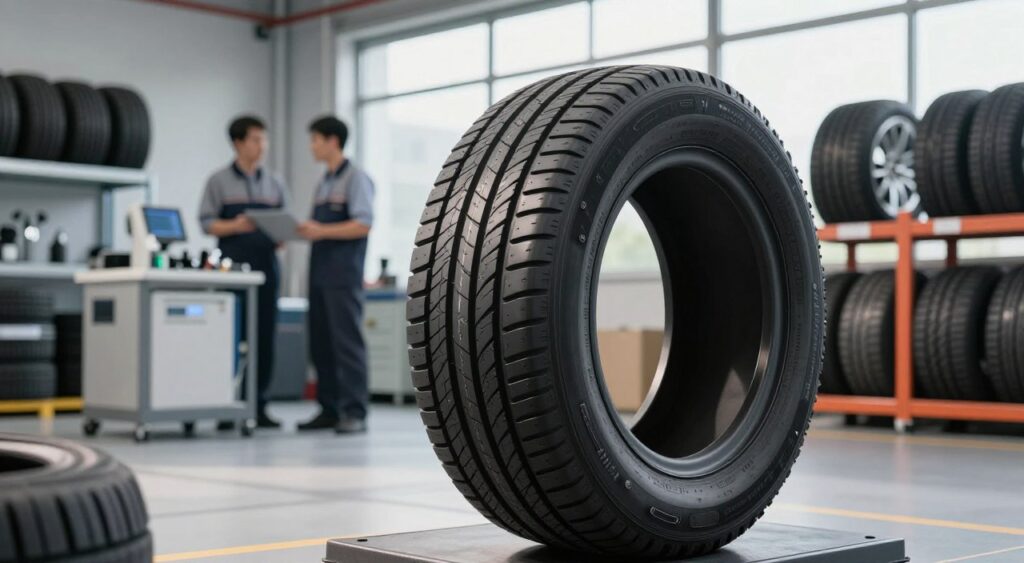
Tire technology has come a long way, bringing many benefits to drivers. These include less noise and better grip on different roads. Thanks to new manufacturing methods, driving is now safer, more comfortable, and more fun.
Noise Reduction Features
One big step forward is in noise reduction. Today’s tires are made to cut down on driving noise. This makes for a quieter and more comfortable ride.
“The future of tire technology lies in its ability to reduce noise pollution without compromising on performance,”
notes a top tire maker. They use special tread patterns and materials to soak up sound.
Advanced Grip Technology
Another key innovation is advanced grip technology. It helps tires stick to the road better, making driving safer and more stable, even on wet or slippery roads. Advanced grip technology is key for cars that need to perform well, allowing for better speed, stopping, and turning.
Run-Flat Tires
Run-flat tires are a big leap in tire tech. They let drivers keep going even after a flat. These tires can hold up the car’s weight and let it keep moving for a bit, giving time to get to a safe place. Run-flat tires also mean no need for a spare tire, saving room and weight in the car.
These technologies have greatly improved driving. As tire tech keeps getting better, we’ll see even more cool features. These will make driving even safer, more comfortable, and more fun.
How to Choose Tires for Specific Vehicles
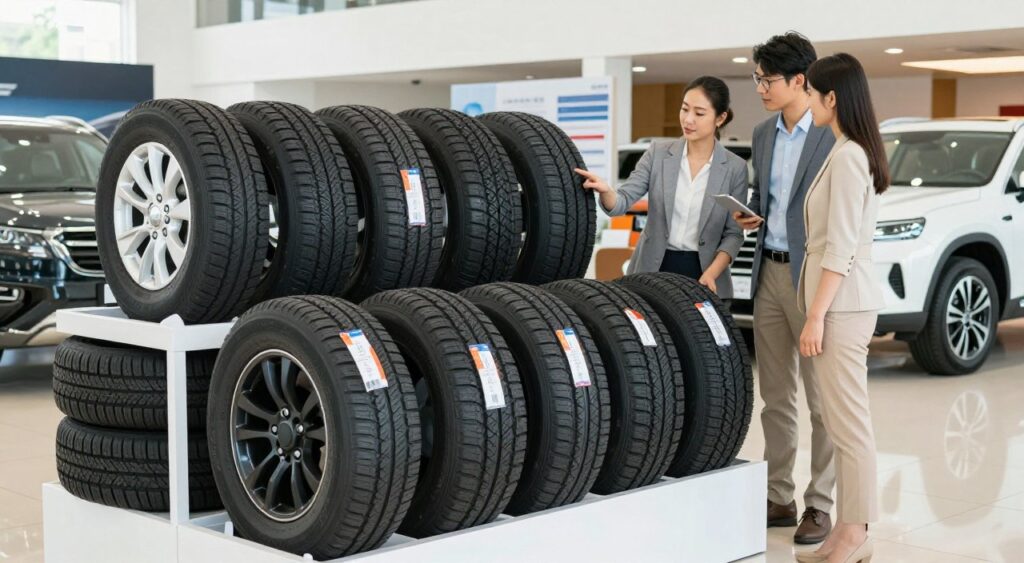
Choosing the right tires means knowing what your vehicle needs. This could be an SUV, sedan, or sports car. Each type has its own set of needs based on its design and performance.
SUVs and Trucks
SUVs and trucks need tires that can handle heavy loads and rough terrain. Key features to look for include:
- Robust construction to support heavier vehicle weights
- Enhanced traction for both on-road and off-road driving
- Durable tread compounds to withstand varied driving conditions
Sedans
Sedans focus on comfort and fuel efficiency. Their tires are made with these goals in mind. Important considerations include:
- Tires with low rolling resistance to improve fuel efficiency
- Enhanced handling characteristics for a smooth ride
- Quiet operation to reduce cabin noise
Sports Cars
Sports cars need high-performance tires for great grip, handling, and braking. Critical features include:
- Specialized tread patterns for maximum grip on the road
- Stiff sidewalls to improve handling and responsiveness
- High-performance tread compounds for superior braking
Knowing what tires your vehicle needs can greatly improve your driving experience.
Importance of Tire Warranty
A tire warranty is more than a guarantee; it’s a safety net for your investment. Buying tires is not just a purchase; it’s an investment in your vehicle’s safety and performance. A good tire warranty gives you peace of mind, protecting your investment from unexpected defects or early wear.
Tires Plus offers a Best Tire Price Guarantee, ensuring customers get the best deal. This shows how important it is to know what your tire warranty covers.
What Does a Tire Warranty Cover?
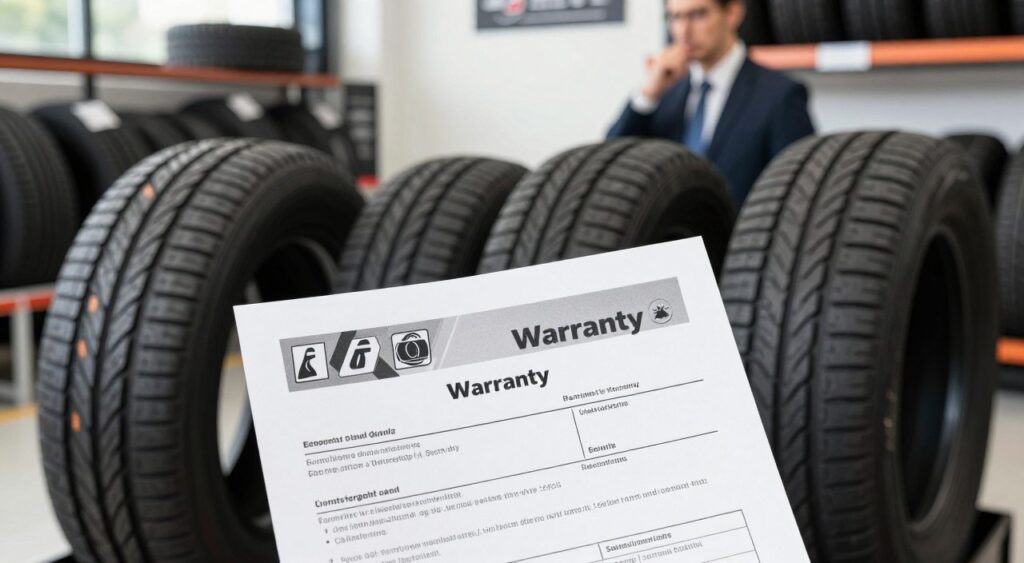
Tire warranties usually cover defects in materials and workmanship. This includes issues like uneven tread wear, sidewall damage, and other manufacturing problems. For example, if your tires wear down too quickly or unevenly, the warranty might cover a replacement or refund.
Key aspects covered under a tire warranty often include:
- Manufacturing defects
- Premature tread wear
- Sidewall damage
It’s vital to read your tire warranty carefully to know what’s covered and for how long. Some warranties may also offer extra benefits, like roadside assistance or coverage for tire repairs.
How to Utilize Your Warranty
To use your tire warranty effectively, keep detailed records of your tire purchases, maintenance, and any problems. Here are some steps to follow:
- Keep your receipt and warranty documents in a safe place.
- Regularly check your tires for signs of wear or damage.
- If you encounter any issues, contact your tire dealer or manufacturer promptly.
- Follow the manufacturer’s guidelines for maintenance and care to ensure your warranty remains valid.
As
“A good warranty can make all the difference when it comes to protecting your investment in tires.”
This quote shows the importance of a good tire warranty in protecting your purchase.
By understanding your tire warranty and how to use it, you can enjoy extra protection and peace of mind on the road.
Budgeting for New Tires
The cost of new tires can change a lot. This depends on the type, brand, and quality. Knowing these factors helps you budget better.
When you plan to get new tires, think about more than just the price. Consider how long they last, how well they perform, and how they affect your fuel use. These things can affect the total cost over time.
Costs to Consider
There are several things that add up to the total cost of new tires. These include:
- The type of tire: All-season, winter, or performance tires have different prices.
- Brand reputation: Brands like Michelin and Goodyear might cost more than cheaper options.
- Size and specifications: Bigger tires or those with special features like run-flat can be pricier.
- Installation costs: Some places might charge extra for mounting, balancing, and alignment.
| Tire Type | Average Cost per Tire | Features |
|---|---|---|
| All-Season Tires | $100-$200 | Balanced performance for everyday driving |
| Winter Tires | $150-$300 | Enhanced grip and safety in snowy conditions |
| Performance Tires | $200-$400 | Improved handling and speed capabilities |
Finding Deals and Discounts
To save money on new tires, look for deals and discounts. Many retailers offer special prices, often during seasonal changes or holidays.
For example, Tires Plus has good prices and discounts on Firestone tires. Also, check with local shops or online stores for other deals.
By comparing prices, looking at different brands, and watching for sales, you can find great deals. This way, you can get tires that fit your budget and meet your car’s needs.
DIY vs. Professional Tire Installation
Car owners often wonder if they should install tires themselves or get a professional to do it. This choice depends on several things. These include how comfortable you are with DIY projects, the complexity of the installation, and how important safety is to you.
Pros of DIY Installation
Choosing to install tires yourself can save money and be a fun project if you’re good with cars. But, it’s important to have the right tools and know what you’re doing to avoid mistakes.
- Saves money on labor costs
- Provides hands-on experience
- Can be done at your own pace
As Consumer Reports says, “Doing it yourself can be a good option if you have the time and the know-how.” But they also warn that “tire installation requires a certain level of expertise to do it safely.”
When to Seek Professional Help
Even though DIY projects are appealing, there are times when you should get a professional. If you’re not sure about any part of the installation or feel uncomfortable with the physical work, it’s best to get help.
“The safest approach is always to have a professional install your tires, if you’re not familiar with the process. They have the training, the equipment, and the experience to do it correctly and safely.”
Professional tire technicians can make sure your tires are installed right. They balance and align them properly to keep your car safe and running well. This is very important for modern cars with advanced systems and complex wheels.
| Consideration | DIY Installation | Professional Installation |
|---|---|---|
| Cost | Saves on labor costs | Includes labor costs |
| Expertise | Requires personal mechanical knowledge | Technicians have professional training |
| Safety | Risk of improper installation | Ensures safe and correct installation |
In conclusion, while DIY tire installation might work for some, it’s not for everyone. Think about your skills and comfort level before making a decision.
Seasonal Tire Changes: When and Why
As the seasons change, your vehicle’s tires face different challenges. It’s important to switch to the right tires for each season. Winter tires, for example, help you stay safe on snowy roads.
Timing for Winter Tire Installation
It’s best to put on winter tires before the snow starts. In cold places, this is usually in late October or early November. Keep an eye on the weather to get ready for winter driving.
Proper Storage for Off-Season Tires
Storing off-season tires right is key to keeping them in good shape. Clean, dry, and keep them in a cool, dark spot. Tire storage bags can also protect them from damage.
Switching to seasonal tires and storing them well can make your tires last longer. Brands like Michelin and Goodyear have great seasonal tires for you.
FAQ
What are the different types of tires available in the market?
How do I know when to replace my tires?
What is the importance of regular tire maintenance?
How do I find the correct tire size for my vehicle?
What are some top tire brands available in 2023?
Are there eco-friendly tire options available?
What are some of the latest tire technologies?
How do I choose the right tires for my specific vehicle?
What does a tire warranty typically cover?
Should I install new tires myself or seek professional help?
When should I install winter tires, and how do I store off-season tires?
What is the recommended tire pressure for my vehicle?
How often should I rotate my tires?