Hybrid Cars: Efficiency and Performance
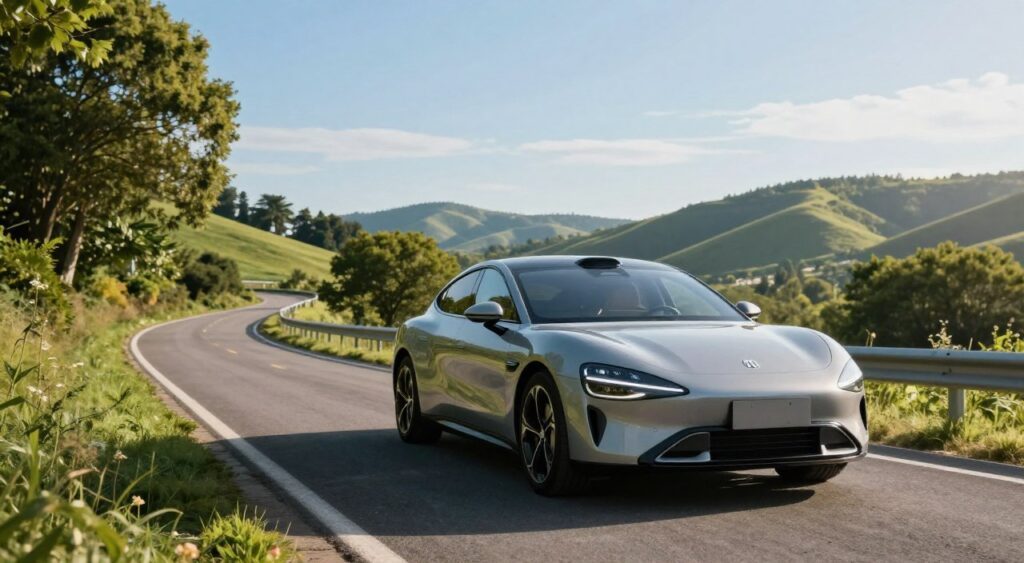
The term ‘hybrid‘ means a mix of things. This is what these cars are all about.
Hybrid cars are becoming more popular. They help improve performance and cut down on fuel use.
These cars get power from two sources. They use traditional fuels like petrol or diesel and also electricity from batteries. This mix helps hybrid vehicles use less fuel and make fewer emissions.
Key Takeaways
- Hybrid cars combine traditional fuels with renewable electricity.
- They optimize performance and reduce fuel consumption.
- Hybrid vehicles achieve better fuel efficiency and lower emissions.
- The use of renewable electricity stored in batteries is a key feature.
- Hybrid cars are gaining popularity due to their efficiency and performance.
What Are Hybrid Cars?
Hybrid cars are changing how we travel, making it greener than old gas cars. They mix the power of engines and electric motors. This combo makes them use less fuel and pollute less.
Definition and Types of Hybrids
Hybrid cars use more than one power source. The most well-known is the full hybrid. It can run on the engine, electric motor, or both.
Other types include mild hybrids and plug-in hybrids. Mild hybrids help the engine but can’t run electric alone. Plug-in hybrids have big batteries that charge from outside, letting you drive longer without gas.
- Full Hybrids: Can operate on engine, electric motor, or both.
- Mild Hybrids: Use electric motor to assist engine, can’t run on electric alone.
- Plug-in Hybrids: Larger batteries, can be charged externally, extended electric-only range.
How Hybrids Work
Hybrid cars use smart tech to blend engine and electric motor power. The hybrid system picks the best power source based on how you drive. For example, it uses the electric motor in the city to save fuel and cut emissions.
When you need more power or speed, the engine takes over.
The regenerative braking system is key too. It turns braking energy into electric power to charge the battery. This boosts efficiency and eases brake wear.
- The hybrid system optimizes power source usage based on driving conditions.
- Regenerative braking captures kinetic energy to charge the battery.
Benefits of Driving a Hybrid Vehicle
Driving a hybrid vehicle has many benefits. It improves fuel efficiency and may offer tax incentives. Hybrid cars are a smart choice for those wanting to reduce their environmental impact without losing performance.
Fuel Efficiency and Cost Savings
Hybrid vehicles are known for their improved fuel efficiency. They combine a traditional engine with an electric motor. This results in better gas mileage and substantial cost savings over time.
These savings aren’t just about fuel. Hybrids also have lower maintenance costs. This is because of their regenerative braking and less engine wear.
| Model | Fuel Economy (mpg) | Annual Fuel Cost |
|---|---|---|
| Toyota Prius | 52 | $1,050 |
| Honda Insight | 51 | $1,100 |
| Ford Escape Hybrid | 44 | $1,250 |
Environmental Impact Reduction
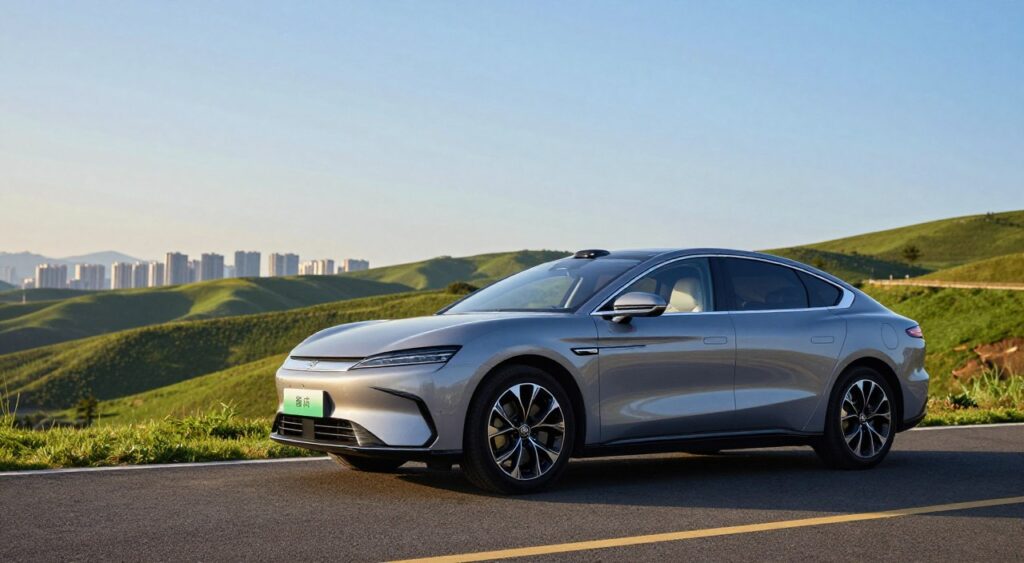
Hybrid vehicles help reduce environmental impact. They emit fewer pollutants and greenhouse gases than traditional cars. This is thanks to their electric motors and advanced batteries.
Tax Incentives for Hybrid Owners
Many governments offer tax incentives for hybrid and eco-friendly vehicle owners. These incentives can lower the cost of buying a hybrid. This makes hybrids more affordable for more people.
It’s important for those interested in hybrids to check the incentives in their area. These incentives can differ a lot.
Popular Hybrid Car Models in the U.S.
Many hybrid car models are now available in the U.S. They help save fuel, cut down on emissions, and come with cool tech features.
Toyota Prius: The Pioneer
The Toyota Prius is a top choice for hybrids. It’s known for being fuel-efficient and reliable. It comes in different versions to meet various needs.
Key Features of the Toyota Prius:
- It gets up to 56 mpg in the city and 53 mpg on the highway.
- It has advanced safety features like adaptive cruise control and lane departure warning.
- The interior is roomy with lots of cargo space.
Honda Insight: A Strong Contender
The Honda Insight is a favorite for its mix of efficiency, comfort, and value. It’s sleek and has a lot of features inside.
Notable Features of the Honda Insight:
- It’s fuel-efficient, with up to 55 mpg in the city and 49 mpg on the highway.
- It comes with many standard features, like a multi-angle rearview camera and Honda Sensing suite.
- The cabin is comfy and roomy, with modern amenities.
The Honda Civic Hybrid starts at $26,595 for the Sport trim. It has 200 hp and 232 lb-ft of torque, making it a strong contender in the hybrid market.
Ford Escape Hybrid: Versatile and Practical
The Ford Escape Hybrid is a versatile compact SUV. It has a hybrid powertrain, making it great for those who want efficiency and capability.
Key Highlights of the Ford Escape Hybrid:
- It has a hybrid powertrain that boosts fuel efficiency without losing performance.
- It comes with advanced tech, like an easy-to-use infotainment system and driver-assist features.
- The interior is spacious, and the cargo area is flexible, fitting different lifestyles.
The Ford F-150 XLT SuperCrew 4×4 can be upgraded to a hybrid engine called PowerBoost. It has 430 hp and 570 lb-ft of torque, showing hybrid tech can work in bigger vehicles.
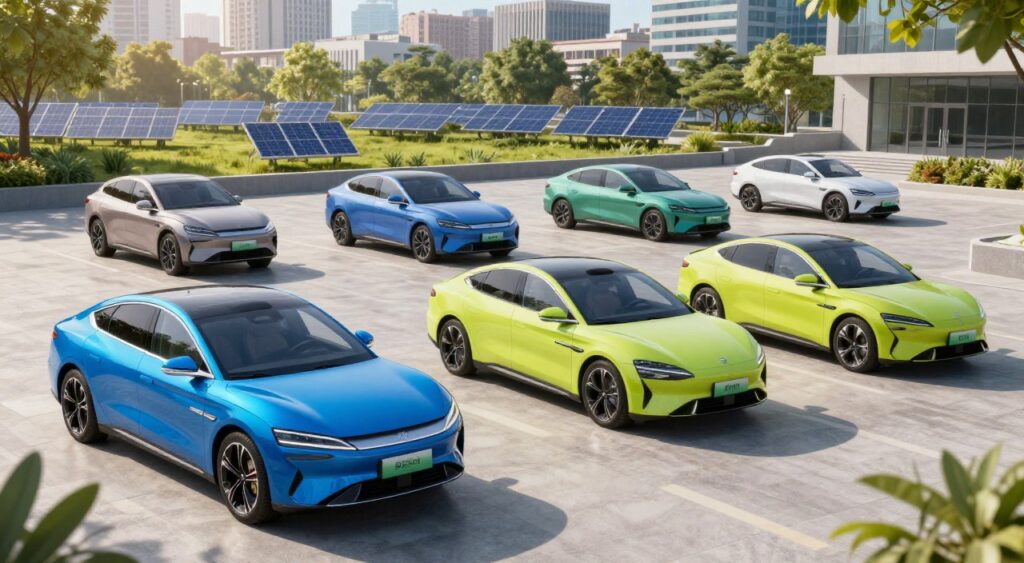
In conclusion, these popular hybrid car models in the U.S. offer many choices. They help reduce environmental impact without losing on performance or comfort.
The Technology Behind Hybrid Cars
It’s important to know how hybrid cars work to see their benefits. These cars use a mix of an engine and an electric motor. This combo makes them both efficient and good for the environment.
Battery Types and Their Contributions
The battery is key in a hybrid car, powering the electric motor. There are NICKEL-METAL HYDRIDE and LITHIUM-ION batteries used. Each has its own strengths and weaknesses.
| Battery Type | Characteristics | Contribution to HEV Performance |
|---|---|---|
| Nickel-Metal Hydride | Durable, cost-effective | Provides reliable power, supports long battery life |
| Lithium-Ion | High energy density, lightweight | Enhances fuel efficiency, offers superior performance |
Regenerative Braking Explained
Regenerative braking is a big deal in hybrid cars. It turns braking energy into electricity to charge the battery. This boosts fuel efficiency and cuts down on brake wear.

How well regenerative braking works depends on speed, braking habits, and the system’s design. Modern hybrids are made to get the most out of this tech. They’re great for those who care about the planet.
Knowing about hybrid car tech helps buyers make better choices. As cars keep getting better, hybrids will stay important.
Challenges of Owning a Hybrid Car
Hybrid cars have many benefits, like better fuel efficiency and less harm to the environment. But, they also have challenges. It’s important to know these to make a good choice.

Maintenance and Repair Considerations
One big worry for hybrid car owners is maintenance and repair. Hybrid vehicles have complex systems, like advanced batteries and regenerative brakes. These can be harder and more costly to fix than regular cars. But, many makers offer warranties and plans to help with these costs.
Keeping your hybrid car in good shape is key. This means regular checks on the battery, electrical systems, and brakes. Some hybrids need special tools and training, which can make finding a service harder.
Limited Electric Range in Some Models
Another issue is the limited electric range in some hybrids. Full hybrids can go electric at low speeds but only for a short distance. Plug-in hybrids (PHEVs) can go further on electric, but how much depends on charging and the electricity source.
The short electric range can be a problem for long trips without charging spots. Yet, for those with short drives, hybrids can save a lot of fuel and cut emissions.
In summary, owning a hybrid car has its challenges. But, knowing about these can help you make a smart choice. Think about maintenance costs and electric range to find a hybrid that fits your needs and offers the benefits you want.
The Future of Hybrid Vehicles
The future of hybrid vehicles is bright, with new tech aimed at better efficiency and less harm to the environment. As companies keep investing in research, we’ll see big improvements in hybrid tech.
Better battery tech is a big focus. New batteries let cars go further on less fuel. This makes hybrids a great choice for those wanting to be kinder to the planet without giving up on convenience.
Advancements in Hybrid Technology
Hybrid tech is getting better fast, thanks to several key improvements. Some of the biggest changes include:
- Improved Battery Technology: New battery types, like lithium-ion, hold more energy and last longer.
- Regenerative Braking Systems: Better regenerative braking captures more energy and turns it into electricity, boosting efficiency.
- Lightweight Materials: Using lighter materials in cars helps them use less fuel.
The Role of Hybrids in Sustainable Transport
Hybrid cars are key in moving towards greener transport. They use less fuel than regular cars, cutting down on emissions and fossil fuel use.
Also, hybrids act as a middle ground between regular cars and electric ones. They offer a green choice that’s good for the planet and works for longer trips.
Comparing Hybrid Cars with Electric Vehicles
Hybrid cars and electric vehicles are becoming popular as people look for ways to reduce emissions and save on fuel. It’s important to know the differences between these options.
Key Differences Between Hybrids and EVs
Hybrid cars use both a gasoline engine and an electric motor. This lets them run on gas or electric power. Electric vehicles, on the other hand, run only on electric motors and batteries.
Range and Charging are key differences. Hybrid cars can go far without needing to be charged, as they can use gas when the battery runs out. Electric vehicles need to be charged and have a shorter range before needing a recharge.

Cost Considerations and Purchase Incentives
Costs vary between hybrid and electric vehicles. Hybrids are often cheaper upfront but can save money in the long run due to better fuel efficiency. Electric vehicles are pricier but can save money on fuel costs because electricity is cheaper than gas.
Purchase incentives can also affect the cost. Governments offer tax credits or rebates for electric vehicles, making them more affordable. Hybrids might get some incentives, but they are less common and smaller.
In summary, choosing between a hybrid car and an electric vehicle depends on personal needs and preferences. It’s about what matters most to you: range, cost, or environmental impact.
The Impact of Hybrid Cars on Fuel Economy
Hybrid cars have a big impact on fuel economy. They help save money on fuel and reduce carbon emissions. This makes them popular worldwide.
National Fuel Consumption Trends
In the U.S., fuel consumption is going down. This is because more people are driving hybrid cars. These cars use both electric and gasoline power, making them more fuel-efficient.
Also, studies show that using more hybrid cars can cut down on greenhouse gas emissions. This helps make our environment cleaner.
How Hybrids Contribute to Energy Independence
Hybrid cars help us use less gasoline. They use electric power too, which means we need less oil. This makes our transportation sector less dependent on oil.
This is very important for the U.S. because it imports a lot of oil. Using hybrid cars can help the country use less foreign oil. This makes our energy security better.

Tips for Owning a Hybrid Car
Driving a hybrid car can be very rewarding. It helps you save fuel and is better for the environment. To get the most out of your hybrid, follow some best practices and keep your engine in top shape.
Driving Techniques for Optimal Efficiency
For the best performance, drive smoothly. Use the eco-mode if your car has it. Keep your speed steady.
Regenerative braking is a big plus for hybrids. It helps recharge your battery and boosts efficiency.
Maintenance for Long-Term Performance
Keeping your hybrid in good condition is key. Check your tire pressure often. Proper inflation can really help with fuel efficiency.
Stick to the maintenance schedule for your car. Pay extra attention to the hybrid battery and engine. This way, you’ll enjoy your hybrid for many years.
FAQ
What is a hybrid car?
How do hybrid cars work?
What are the benefits of driving a hybrid vehicle?
What are some popular hybrid car models available in the U.S. market?
How do hybrid cars achieve better fuel efficiency?
What is regenerative braking in a hybrid car?
Are hybrid cars more expensive to maintain than traditional gasoline-powered cars?
How do hybrid cars compare to electric vehicles?
What is the future of hybrid vehicles?
How can I maximize the efficiency of my hybrid car?
Are there any tax incentives available for buying a hybrid car?