DeSoto Restoration: Bring Your Classic Car Back to Life
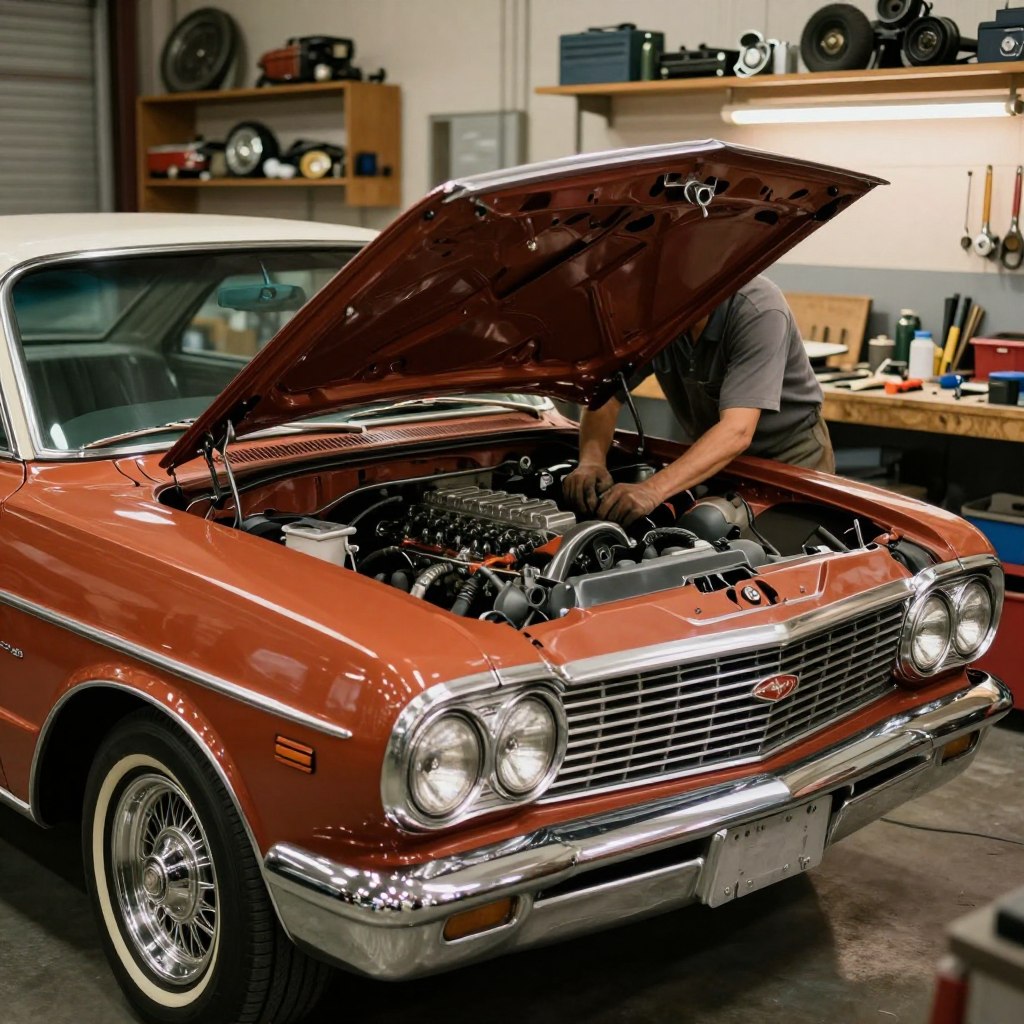
Restoring a classic car is a labor of love. It needs attention to detail and a passion for automotive history. For enthusiasts, bringing a vintage vehicle back to its former glory is rewarding. It preserves the past and gives a unique chance to own a piece of it.
The process of DeSoto restoration is meticulous. It covers everything from the engine to the exterior finish. This ensures every detail is restored to its original condition. Whether you’re a seasoned collector or new to classic cars, this article will guide you through the restoration process.
Key Takeaways
- Understanding the importance of DeSoto restoration
- Exploring the process of classic car restoration
- Showcasing your restored vehicle
- Tips for a successful restoration project
- Preserving automotive history through restoration
Understanding DeSoto Models and Their Appeal
DeSoto cars are loved for their mix of old charm and historical value. They are a hit among classic car fans. Once a big name in American cars, DeSoto’s legacy continues to excite today’s enthusiasts.
Vintage DeSoto Cars Overview
Vintage DeSoto cars are famous for their sleek looks, strong engines, and role in car history. Started in 1928, DeSoto made cars that were stylish and ahead of their time. Knowing DeSoto’s history and evolution is key for those restoring these classics.
Popular DeSoto Models and Their Features
Some DeSoto models are special because of their unique features and history. Here are a few:
- The 1949 DeSoto Custom, known for its sleek design and advanced engine.
- The 1955 DeSoto Fireflite, which boasted a powerful V8 engine and stylish bodywork.
- The 1960 DeSoto Adventurer, a high-performance model that showcased DeSoto’s commitment to innovation.
These models are highly sought after by collectors. They are rare, perform well, and are historically important.
| Model | Year | Notable Features |
|---|---|---|
| DeSoto Custom | 1949 | Sleek design, advanced engine |
| DeSoto Fireflite | 1955 | Powerful V8 engine, stylish bodywork |
| DeSoto Adventurer | 1960 | High-performance capabilities |
Why Collectors Love DeSotos
Collectors love DeSoto cars for many reasons. Their historical importance and role in car history make them valuable. The challenge of restoring these cars is also a big draw. Plus, the DeSoto collector community and the chance to show off restored cars at shows are big pluses.
Restoring a DeSoto is more than just preserving history. It’s about joining a community of people who love vintage car restoration and DeSoto car restoration services.
The Importance of Restoration for Classic Cars
Restoring a classic DeSoto is more than just fixing a car. It’s about bringing back a piece of history. This process is key for classic car owners, boosting the car’s value and keeping its history alive.
For DeSoto owners, restoration means keeping their car in top shape. It shows off the original craftsmanship and design. It’s also a chance to feel proud and enjoy the fruits of their labor.
Enhancing Value Through Restoration
Restoring a classic DeSoto can really up its value. A restored car looks better and is more sought after by collectors. Automotive restoration specialists are essential in this process, making sure every detail is right.
This boost in value isn’t just about money. A restored DeSoto also gains historical and emotional value. Owners who restore their cars are keeping a piece of automotive history alive.
Preserving Automotive History
Classic cars like DeSotos are more than vehicles; they’re historical pieces. Restoration keeps these stories alive by keeping the car’s original look and feel.
Personal Satisfaction and Enjoyment
Restoring a classic car is very rewarding. It lets owners get to know their car better, from its mechanics to its history. Plus, a restored DeSoto can be enjoyed on the road or at car shows, bringing pride and joy.
| Benefits of Restoration | Description | Impact |
|---|---|---|
| Enhanced Value | Increases the monetary value of the vehicle | Makes the vehicle a valuable collector’s item |
| Historical Preservation | Maintains the historical integrity of the vehicle | Preserves automotive history for future generations |
| Personal Satisfaction | Provides a sense of accomplishment and pride | Enhances the owner’s connection with the vehicle |
Key Steps in DeSoto Restoration
To restore a DeSoto, start by checking its condition. Then, find a skilled service and make a detailed plan. This ensures the restoration is done well, keeping the car’s original charm and function.
Initial Assessment of the Vehicle
The first step is to thoroughly check the DeSoto’s condition. Look for rust or damage on the body, test the engine, and inspect the interior. This helps pinpoint what needs most work, guiding the restoration.
Key areas to inspect include: the body and paint, engine, interior, and electrical systems. Taking photos and notes is helpful for planning.
Finding Quality Restoration Shops
Finding a good DeSoto restoration shop is key. Look for shops that focus on classic car restorations, with DeSoto experience. A professional shop offers insights, helps find parts, and ensures quality work.
When choosing a shop, check their portfolio, reviews, and certifications. Visiting the shop and talking to the technicians is also wise. It helps you understand their skills and how they communicate.
Creating a Detailed Restoration Plan
After assessing your DeSoto and picking a shop, make a detailed plan. This plan should outline the work, timelines, and budget. A good plan helps manage expectations, track progress, and keep the restoration on schedule and budget.
Key components of the plan should include: detailed work descriptions, timelines, budget breakdowns, and plans for unexpected issues. Regular updates and plan adjustments are important for a smooth restoration.
Exterior Restoration Techniques
To revive a vintage DeSoto, exterior restoration is key. It includes bodywork, painting, and trim restoration. A restored exterior boosts the car’s look and guards it against damage.
Bodywork: Rust Repair and Panel Replacement
Bodywork is essential for exterior restoration. Fixing rust and damaged panels is vital to avoid more harm and keep the car strong. Rust repair means taking out rusted metal and putting in new or using special techniques. Panel replacement is needed for big damage, needing careful matching to the original.
First, a detailed check finds all rust or damage. Then, the bad parts are taken out and new metal is welded in. It’s important to apply a rust stopper to the new metal to prevent rust.
Painting: Choosing the Right Color and Finish
Painting is a key step, needing the right color and finish to match the original. The paint color must be matched using old data or paint codes. The finish should look like the original, whether glossy or matte.
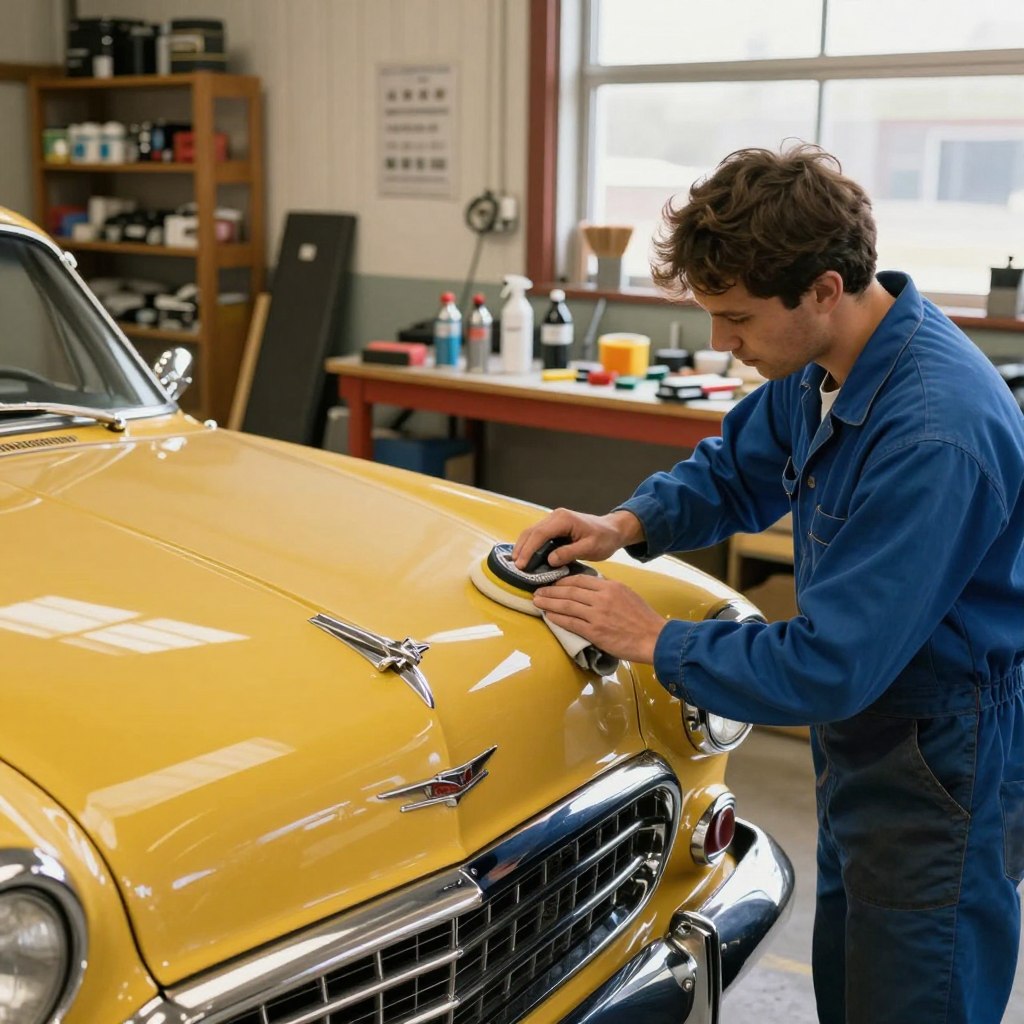
The painting process has several steps, like preparing the surface, priming, and the final coat. Each step is important for a smooth finish. Techniques like wet sanding and polishing help get a top-notch finish.
Chrome and Trim Restoration Options
Restoring chrome and trim adds authenticity and beauty. Chrome restoration means cleaning, polishing, and replating chrome parts to shine like new. For trim, you might repaint, re-chrome, or replace broken parts.
| Restoration Technique | Description | Benefits |
|---|---|---|
| Rust Repair | Removing rust and replacing with new metal | Prevents further damage, ensures structural integrity |
| Panel Replacement | Replacing severely damaged panels | Restores original appearance, enhances durability |
| Painting | Matching original color and finish | Enhances visual appeal, protects metal |
| Chrome Restoration | Cleaning, polishing, and replating chrome | Restores original luster, adds authenticity |
Interior Restoration Essentials
Restoring your DeSoto’s interior is key to its glory. A restored interior boosts the car’s look, value, and driving feel.
Upholstery, dashboard repairs, and sound system upgrades are vital. Each part needs careful attention for authenticity and function.
Upholstery: Selecting Fabrics and Materials
Choosing the right fabrics and materials is essential. Use OEM materials or high-quality reproductions for authenticity.
Think about durability, comfort, and historical accuracy when picking fabrics. Vintage DeSotos used luxurious materials like leather or vinyl. Modern versions offer durability without losing the classic look.
| Material | Durability | Authenticity |
|---|---|---|
| Leather | High | High |
| Vinyl | Medium | High |
| Synthetic Fabric | High | Medium |
Dashboard and Instrumentation Repairs
The dashboard and instruments are vital. Repairs need a skilled touch to keep them looking and working like new.
Fixing cracks, replacing gauges, or refinishing the dashboard are common repairs. Use era-specific techniques and materials to keep the car authentic.
Sound System Upgrades
Upgrading your DeSoto’s sound system can make driving more enjoyable. Modern systems can fit classic cars without ruining their look.
Choose components made for classic cars, like retro-fit radios and speakers. This ensures the upgrade is both functional and discreet.
By focusing on these key areas, you can revive your DeSoto. Whether for personal joy or car shows, a well-restored interior is essential.
Mechanical Restoration Components
DeSoto restoration experts know that mechanical parts are key to any classic car fix-up. A detailed mechanical restoration is vital. It makes sure your DeSoto looks great and runs well and safely.
Engine Rebuild Techniques
The engine is the heart of your DeSoto. Rebuilding it needs skill and care. Engine rebuild techniques check the engine’s state, swap out old parts, and fix components to their original state.
Key steps in engine rebuilding include:
- Disassembling the engine and inspecting its components
- Replacing pistons, rings, and bearings as necessary
- Refurbishing or replacing the cylinder head
- Rebuilding or replacing the carburetor or fuel injection system
“A well-rebuilt engine not only enhances the performance of your DeSoto but also significantly increases its value.” – Expert in automotive restoration.
Transmission and Drivetrain Overhaul
The transmission and drivetrain are key for your DeSoto’s smooth running. An overhaul checks, fixes, or swaps out parts for smooth and efficient operation.
| Component | Inspection | Repair/Replacement |
|---|---|---|
| Transmission | Check for wear and tear on gears and bearings | Replace worn-out parts or rebuild the transmission |
| Driveshaft | Inspect for damage or imbalance | Balance or replace the driveshaft |
| Differential | Check for leaks and wear on gears | Repair or replace the differential as needed |
Brake and Suspension Upgrades
Brake and suspension upgrades boost your DeSoto’s safety and handling. Modern parts can be added to your classic car for better performance.
Considerations for brake upgrades include picking the right brake pads and rotors. You might also want to switch to disc brakes if your DeSoto has drum brakes.
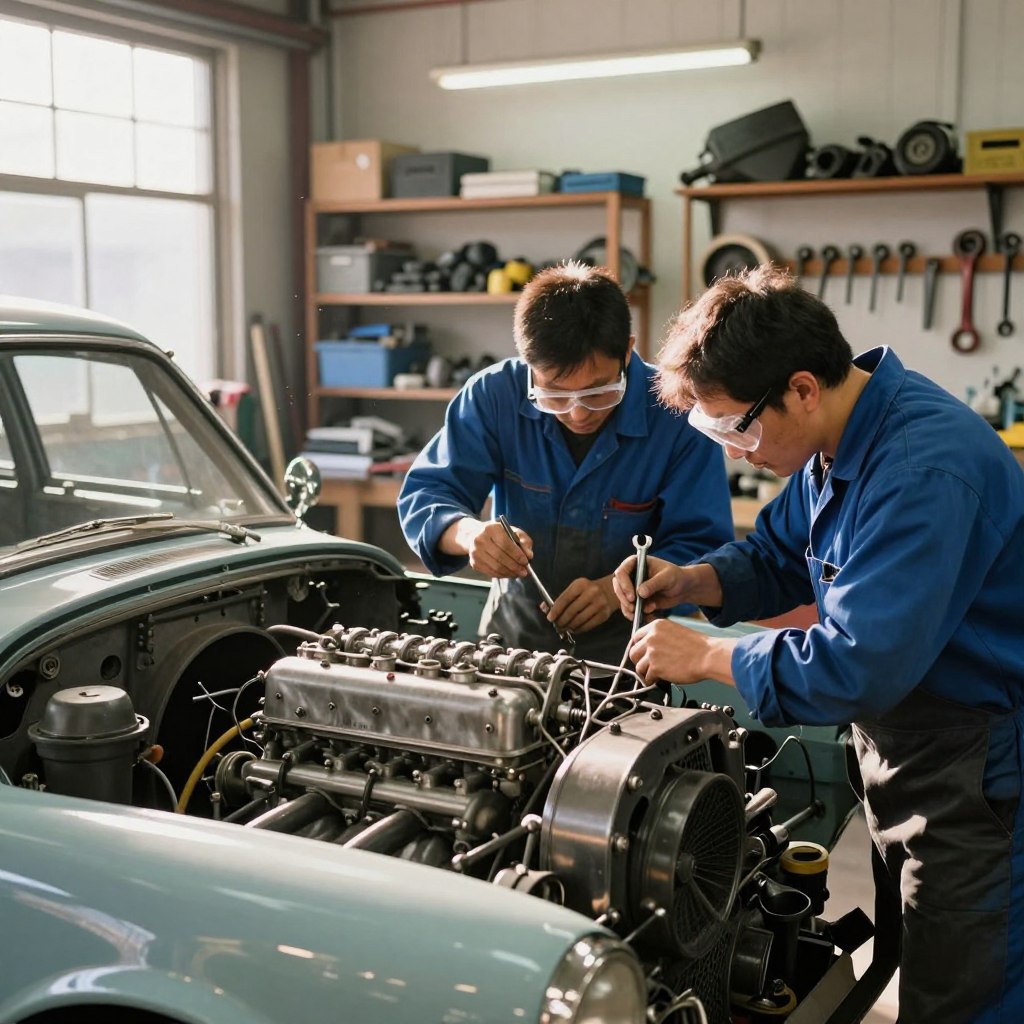
By focusing on these mechanical parts, DeSoto owners can make their classic cars both beautiful and functional. They’ll be ready to enjoy for many years.
Finding Quality Parts for DeSoto Restoration
Finding the right parts is key in DeSoto restoration. It takes patience and persistence. To restore a classic DeSoto, you need to find parts that are both real and work well.
Sourcing OEM vs. Aftermarket Parts
Choosing between OEM and aftermarket parts is important for DeSoto restoration. OEM parts keep the car’s original look and feel. But, they can be hard to find and pricey.
Aftermarket parts are a good choice when OEM parts are not available. They might offer better performance or save money. But, it’s important to pick reliable suppliers for quality.
| Part Type | Authenticity | Availability | Cost |
|---|---|---|---|
| OEM | High | Low | High |
| Aftermarket | Variable | High | Variable |
Popular Suppliers for DeSoto Parts
Many suppliers offer parts for DeSoto restoration. You can find them in classic car stores, online, and DeSoto clubs. Car restoration services often know where to find parts.
Some top suppliers include:
- Classic Car Parts Online
- DeSoto Club of America
- Old Cars Parts Store
Tips for a Successful Parts Search
Here are tips for finding DeSoto parts:
- Networking: Talk to other DeSoto fans and join clubs to find rare parts.
- Online Research: Use forums, social media, and websites to find suppliers and parts.
- Inspect Before Purchasing: Check parts before buying to make sure they’re good quality.
Knowing the difference between OEM and aftermarket parts is important. Finding reliable suppliers and using smart search strategies helps DeSoto owners find the right parts for their projects.
The Role of Documentation in Restoration
Keeping accurate records is key in DeSoto restoration. It boosts the car’s value and history. Good records keep the car’s authenticity and story alive for collectors and fans.
Importance of Keeping Records
It’s vital to document every step of the restoration. This means tracking the work done, parts swapped, and any hurdles. Detailed records help track progress and offer useful info for the future or when selling.
Include receipts, before-and-after photos, and notes on methods used. This keeps the car’s history and proves its authenticity.
Documenting the Restoration Process
Recording the restoration is more than just financial records. It’s about taking progress photos, noting methods and materials, and recording key decisions.
Use a logbook or digital files for this. It’s smart to list parts used, their sources, and any design changes.
Creating an Owner’s Manual for the Future
Making an owner’s manual for the restored DeSoto is a great idea. It should cover maintenance, troubleshooting, and the car’s history and restoration.
This manual helps the current and future owners. It guides in keeping the car in top shape and ensures it lasts long.
By focusing on detailed documentation, DeSoto owners can make their restoration project valuable and historically significant.
Cost Considerations for DeSoto Restoration
Restoring a classic DeSoto is a detailed process with various costs. It’s important for collectors and enthusiasts to understand these costs. This helps them plan and budget better.
Breakdown of Restoration Costs
The cost of restoring a DeSoto includes parts, labor, and other expenses. Parts can vary greatly. Some are easy to find, while others are rare and expensive.
| Cost Component | Estimated Cost |
|---|---|
| Parts | $5,000 – $10,000 |
| Labor | $3,000 – $6,000 |
| Other Expenses (paint, materials) | $2,000 – $4,000 |
| Total Estimated Cost | $10,000 – $20,000 |
The cost of vintage car restoration can vary a lot. It depends on the car’s condition and how much restoration it needs.
Budgeting for Unexpected Expenses
Restoring a classic car often comes with unexpected costs. Problems like rust, worn-out parts, or outdated systems can pop up. These issues need extra money.
To handle these surprises, setting aside extra money is wise. Aim to save 10% to 20% of your total budget for unexpected costs.
Investing for a Future Return
Restoring a DeSoto can be a smart investment. Classic cars often gain value over time. The return on investment (ROI) depends on the car’s rarity, condition, and historical importance.
If you’re looking to invest in antique car restoration, research the market well. Understand trends and make smart choices about which models to restore and how to showcase them.
Legal Considerations in Classic Car Restoration
Restoring a classic DeSoto is about more than just fixing it up. It’s also about following the law. Specialists in car restoration must deal with many legal rules to make sure the car is safe and legal.
Understanding State Regulations
State laws are key in car restoration. Each state has its own rules about car changes, registration, and checks. For example, some states give classic cars special breaks, like lower fees or no emissions tests. Car restoration services need to know these rules to help owners.
| State | Registration Requirements | Emissions Testing |
|---|---|---|
| California | Special classic car registration | Exempt for vehicles older than 1975 |
| Texas | Standard registration with “Classic” designation | Exempt for vehicles 25 years or older |
| New York | Registration with “Historic” or “Classic” plate | Required for vehicles up to 25 years old |
Emissions and Safety Standards
Older cars might not meet today’s emissions and safety rules. But, restorers must follow the laws from when the car was made or current exemptions. Experts can help keep the car’s original look while meeting safety and emissions rules.
Title Transfers and Documentation
Getting a car’s title right is very important. Restorers must fill out all the right papers, like the title and registration. This can be tricky, but car restoration services can help. They make sure the car’s history is correct.
In short, fixing up a classic DeSoto means knowing the law well. With the help of car restoration experts, owners can make their cars look great and follow all the rules.
Showcasing Your Restored DeSoto
Restoring your DeSoto is a big job. But showing it off can be very rewarding. It lets you share your hard work with others who love cars.
Preparation is Key for Car Shows
To impress at car shows, keep your DeSoto in top shape. Think about getting professional detailing to make it shine. A well-kept DeSoto shows off your restoration skills.
Leveraging Online Platforms
Online sites are a great place to show off your DeSoto. Post high-quality photos and tell your restoration story on social media and classic car forums. It’s a way to share your car and your restoration experience.
Engaging with the DeSoto Community
Meeting other DeSoto fans can make owning your car even better. Join clubs, go to meetups, and chat online. This community can give you tips and support for your DeSoto.
FAQ
What is DeSoto restoration, and why is it important?
How do I find a reputable DeSoto restoration shop?
What are the key steps involved in DeSoto restoration?
How do I source quality parts for my DeSoto restoration?
What are the cost considerations for DeSoto restoration?
Are there any legal considerations I should be aware of during DeSoto restoration?
How can I showcase my restored DeSoto?
What is the importance of documentation in DeSoto restoration?