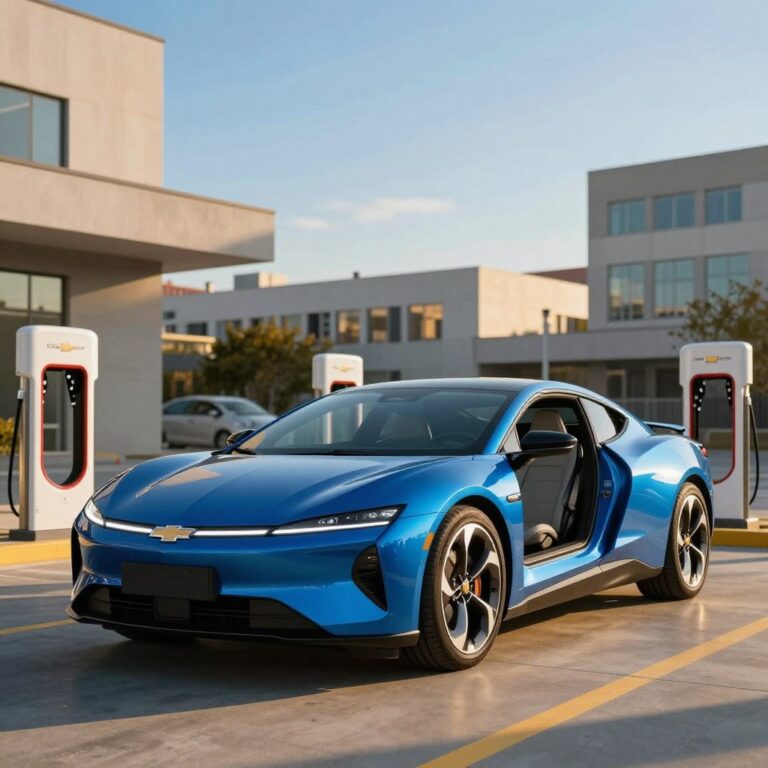
Understanding Depreciated Cars: A Buyer’s Guide

Buying a used vehicle can save you money. But, it’s important to know about depreciation.
Most cars lose a lot of value right after you buy them. They can lose 10% to 20% of their value. This loss can affect their value for a long time.
Learning about depreciation helps you make smart choices when buying a used car.
Key Takeaways
- Depreciation greatly affects a car’s value right after you buy it.
- Knowing about depreciation is key to making smart buying choices.
- Used cars can be a great deal, even with initial depreciation.
- Looking into a car’s depreciation rate can help you guess its future value.
- Things other than initial depreciation can also change a car’s value.
What is a Depreciated Car?
As soon as a new car leaves the dealership, its value starts to drop. This drop in value is called value depreciation. It’s a big change that buyers need to understand.
Depreciation means a car’s value goes down over time. It happens because of many things, like the car’s make, model, age, and how well it’s kept.
Definition of Depreciation
Depreciation is when a car’s value drops from its original price. Cars usually lose 15% to 20% of their value each year after they’re bought.
This quick drop in value comes from a few things:
- The car’s original price
- How many miles it’s driven
- Wear and tear
- Newer models with better tech
How Depreciation Affects Value
Depreciation affects a car’s resale value. As a car gets older, its value goes down. Knowing this helps buyers make smart choices.
For example, a car’s vehicle depreciation rate can be affected by how well it’s taken care of. Cars that are well-kept tend to hold their value better.
Things that affect depreciation include the car’s make and model, its condition, and how much people want it. Knowing these can help buyers guess a car’s future value.
The Reasons Behind Car Depreciation
Many factors affect a car’s value over time. Knowing these can help buyers and sellers make better choices in the used car market.
Factors that Influence Car Depreciation
Car depreciation is shaped by several elements. These include the car’s mileage, condition, and how new models compare. “Mileage, wear, new tech, and new model releases all play a part,” say experts.
“The car’s initial quality, maintenance history, and any custom modifications also play a significant role in determining its depreciation rate.”
The car’s starting price is a big factor. Luxury cars, for example, lose value faster because they cost more to begin with.
Market Trends and Demand
Market trends and demand greatly affect car depreciation. Cars that are wanted more or are harder to find keep their value better.
- Economic conditions affecting consumer spending
- Seasonal fluctuations in demand
- Changes in consumer preferences
For instance, SUVs and trucks are now more popular. This makes them more valuable than less sought-after models.
Age and Mileage Impact
A car’s age and mileage are key in determining its value. Older cars with more miles lose more value.
| Age | Average Depreciation |
|---|---|
| 1-2 years | 15-20% |
| 3-5 years | 30-40% |
| 5+ years | 50%+ |
A car depreciation calculator can estimate a car’s value. It considers age, mileage, and more. This tool is great for both buyers and sellers in the second-hand automobile market.
Understanding depreciation factors is key when buying a used vehicle. It can lead to smarter choices and save money.
Benefits of Buying Depreciated Cars
Buying a car that has depreciated can be a smart move. It might seem like a bad thing, but it can save you money. This is great for those who want a car but don’t want to pay a lot.
One big plus is the money you save. Cars lose value over time, so you can buy one for less than it was worth new. This is perfect for people who want a good car but don’t have a lot of money.
Cost Savings for Budget-Conscious Buyers
Depreciated cars are cheaper, which is great for those who don’t need a new car. The first owner takes the biggest hit in value loss. So, you can get a good deal on a car that’s already lost a lot of its value.
For example, a new car might drop in value by 20% in the first year. If it was $30,000 new, it could be $24,000 after a year. Buying it for $24,000 is a smart choice because the big drop in value has already happened.
Avoiding Initial Depreciation
Another good thing about buying a used car is avoiding the big drop in value that new cars experience. New cars can lose a lot of value quickly. By buying used, you avoid this big loss.
Access to Higher-Quality Models
Depreciated cars also let you buy better models than you could afford new. For instance, you might not have been able to afford a luxury car when it was new. But after it’s lost some value, you might be able to get it for less.
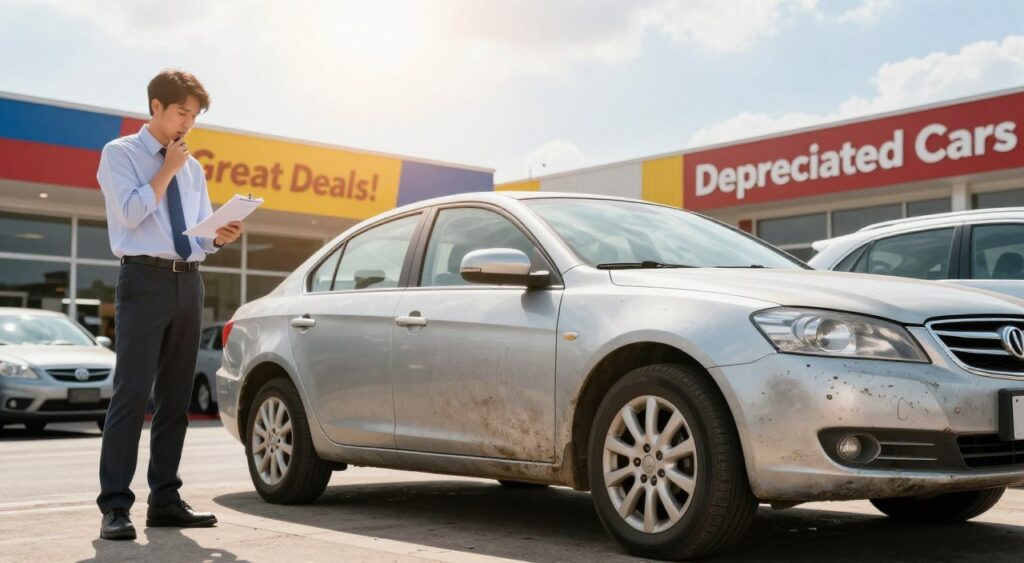
| Model | Original Price | Depreciated Price | Percentage Depreciation |
|---|---|---|---|
| Car Model A | $30,000 | $24,000 | 20% |
| Car Model B | $40,000 | $32,000 | 20% |
| Car Model C | $50,000 | $40,000 | 20% |
In summary, buying a used car can save you money, help you avoid big losses in value, and let you get better cars than you could afford new. Knowing these benefits can help you make a smart choice when buying a used car.
How to Determine a Car’s Depreciation Rate
Knowing a car’s depreciation rate is key when buying or selling a vehicle. It helps you understand how much value a car loses over time. Several factors play a role in this.
Understanding Depreciation Schedules
A depreciation schedule shows how a car’s value drops over time. New cars often lose a lot of value in the first few years. Knowing this schedule helps predict a car’s future value.
Most cars lose the most value in the first year. A car depreciation calculator can give you a better idea of this decline.
Using Online Tools for Valuation
Online tools can estimate a car’s current market value. Sites like Kelley Blue Book (KBB) offer vehicle depreciation rate info. You just need to input the car’s details, like make, model, and condition.

These tools are great for getting a precise car resale value estimate. By comparing similar vehicles, you can see the car’s worth clearly.
Researching Historical Data
Looking at a car’s historical depreciation can give you insights. Seeing how similar models have depreciated can guide your decisions.
| Year | Model | Initial Price | Depreciation Rate | Resale Value |
|---|---|---|---|---|
| 2018 | Toyota Camry | $25,000 | 15% | $21,250 |
| 2019 | Honda Civic | $20,000 | 12% | $17,600 |
| 2020 | Ford Mustang | $30,000 | 18% | $24,600 |
By studying this data, you can grasp how different factors impact depreciation. This knowledge helps in making better car purchase decisions.
Tips for Buying a Depreciated Car
Depreciated cars can be a great deal, but there are risks. Knowing what to look for in a pre-owned car is key to a smart buy.
Knowing What to Look For
Look for used cars known for being reliable and durable. Experts say reliability is vital for a car’s cost and lifespan.
“A well-maintained used car can provide years of reliable service, making it a smart choice for budget-conscious buyers.”
Check the car’s age, mileage, and condition. A car with average mileage is usually better than one with too high or too low mileage.
Inspecting the Vehicle Thoroughly
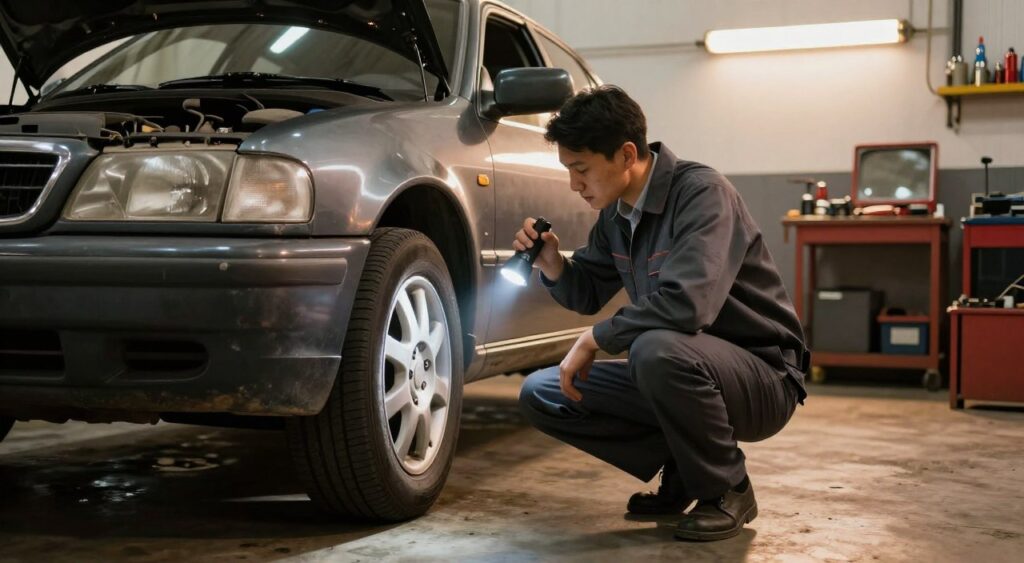
Inspecting a second-hand car is essential. Look for wear and tear inside and out. Check for repainting or rust, which might mean previous damage.
Key areas to inspect include:
- The condition of the tires and wheels
- Any signs of leakage under the vehicle
- The functionality of all electronic components
- The condition of the seats and interior
Understanding Vehicle History Reports
Vehicle history reports are full of useful info. They show accidents and ownership history. “Checking a vehicle’s history can reveal issues not seen during an inspection,” says an expert.
When looking at a report, check for:
- Any reported accidents or damage
- The number of previous owners
- Any recalls or safety notices
By following these tips, buyers can make a smart choice. They’ll find a reliable used car at a good price.
Financing Options for Depreciated Cars
Depreciated cars can be financed in many ways. This gives buyers flexibility when making a purchase. It helps them find a financing option that fits their budget.
Traditional Loans vs. Other Financing
Buyers have two main choices for financing a depreciated car. Traditional loans come from banks and credit unions. They are often secure but may not be the quickest option.
On the other hand, online lenders and dealers offer quicker and more flexible financing. They can approve loans faster than traditional banks.
Comparison of Financing Options
| Financing Option | Interest Rate | Approval Time |
|---|---|---|
| Traditional Bank Loan | 4% – 6% | Several Days |
| Online Lenders | 6% – 12% | Same Day |
| Dealer Financing | 5% – 10% | Several Hours |
The Importance of Credit Scores
A buyer’s credit score is key when financing a depreciated car. A better score can mean lower interest rates and better terms. It’s important to check your score before applying for a loan.

Finding Lenders Willing to Finance
Finding lenders for a depreciated car can be tough. The car’s lower value and higher risk make it challenging. To increase your chances, have a good credit score, make a big down payment, and shop around.
Tips for Finding Willing Lenders:
- Check with local credit unions and banks.
- Explore online lending platforms.
- Consider dealer financing options.
Common Mistakes to Avoid When Buying
When buying a used car, it’s important to avoid common mistakes. Many people only look at the price, ignoring other key factors. These factors can greatly affect the total cost of owning the car.
Overlooking Condition for Price
One big mistake is focusing too much on the price and not the car’s condition. A cheap car might seem good, but if it’s in bad shape, repairs can cost a lot. This can make the car more expensive over time.
“You should never buy a used car without inspecting it thoroughly,” says a top car expert. “Saving a few hundred dollars upfront can be lost to fixing hidden problems later.”
Ignoring Ongoing Maintenance Costs
Another mistake is not thinking about the car’s maintenance costs. Older cars or those with high mileage might need more repairs or parts replaced. This can be very expensive.
- Regular maintenance costs, such as oil changes and tire rotations
- Potential for major repairs, like engine or transmission replacements
- The cost of replacing worn-out parts
Knowing these costs helps buyers make better choices and avoid surprises.
Not Considering Insurance Rates
Insurance rates for used cars can change a lot. They depend on the car’s age, model, and condition. Not thinking about these costs can lead to unexpected bills.
For example, older cars might have higher insurance because repairs are more expensive. They might also lack newer safety features. Buyers should look into insurance rates when figuring out the car’s total cost.

By knowing these common mistakes, buyers can make smarter choices when buying a used car. This way, they can get the most value for their money.
Ways to Increase the Value of a Depreciated Car
To boost a car’s value, you need a smart plan. This includes making upgrades and keeping detailed records. With the right steps, you can make your car more appealing to buyers.
Simple Upgrades and Maintenance
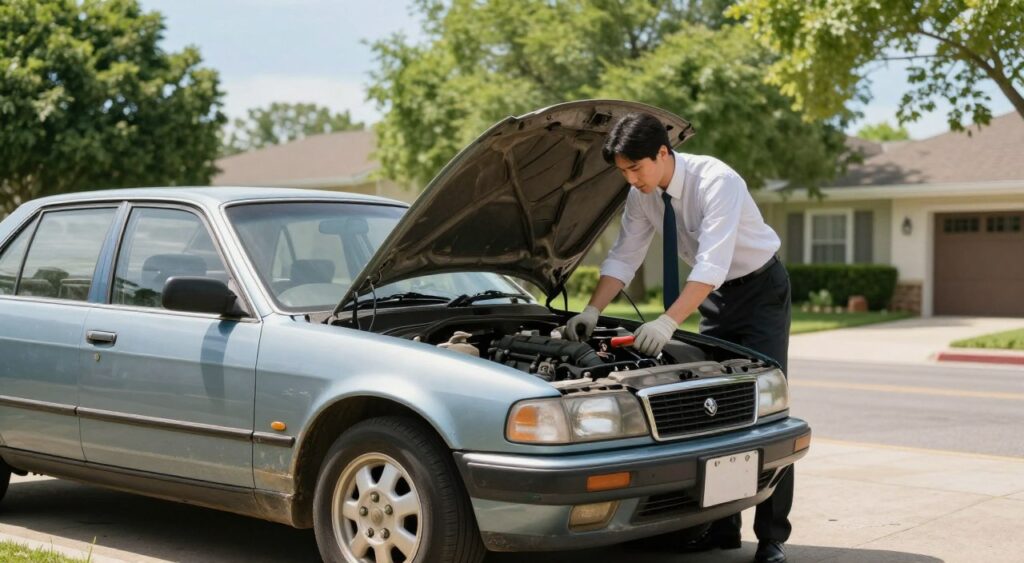
One key way to up your car’s value is through simple upgrades and regular maintenance. You can swap out old parts, refresh the interior, and check that everything works right. Keeping your car in top shape shows it’s been well looked after.
Keeping Records of Repairs
It’s vital to keep a detailed record of repairs and upkeep. This includes receipts for parts and services. Such records help show the car’s history and condition. They build trust with buyers and can increase your car’s resale value.
Enhancements that Add Resale Value
Some upgrades can really make your car more valuable. Think about adding new tech like infotainment systems or safety features like backup cameras. Cosmetic touches, like a new paint job or wheels, can also make your car look better. Choose upgrades that buyers will want.
By using these strategies, you can make your car more attractive to buyers. This can lead to a higher sale price.
Negotiating the Best Price
To get the best price for a pre-owned car, you need to do your homework, be patient, and have a plan. It’s key to know what affects a used car’s price.
Strategies for Effective Negotiation
Start by finding out the car’s market value. Use pricing guides and online tools to set a fair price range.
- Look into the car’s history to spot any problems that might lower its price.
- Compare prices of similar cars in your area.
- Understand the seller’s reasons for selling to use that to your advantage.
As Consumer Reports points out, “Negotiating a used car’s price is tougher than for a new one. The seller has already taken a big hit in value.”
Knowing When to Walk Away
Knowing when to walk away is key in negotiation. If the deal isn’t good, be ready to leave.
“The biggest risk in negotiating is not walking away when the terms aren’t favorable.” –
Walking away shows the seller you’re not desperate. This might make them rethink their price.
Understanding Market Value
Knowing a used car’s market value is essential for good negotiation. Use Kelley Blue Book to get a precise value.
| Factor | Impact on Price |
|---|---|
| Age | Older vehicles typically cost less. |
| Mileage | Higher mileage reduces the vehicle’s value. |
| Condition | The better the condition, the higher the price. |

By grasping these factors and using them in your negotiation, you can get a fair price for your pre-owned car.
Selling Your Depreciated Car
Knowing how to sell your car can really help you get a better price. You need to plan well, like choosing the right time to sell. Also, make your car look good and use online sites to find buyers.
Timing Your Sale for Maximum Value
The time you sell your car matters a lot. Selling before big milestones like 60,000 or 100,000 miles can get you more money. Also, watching market trends can help you pick the best time to sell.
Presentation Tips for Selling
Showing your car in the best shape is key. Cleaning well and fixing small things can really help. Make sure your car looks good and fix any cosmetic problems to attract buyers.
- Clean the vehicle thoroughly, inside and out.
- Make any necessary minor repairs to improve appearance.
- Gather all maintenance records to demonstrate the car’s history.
Using Online Platforms Effectively
Today, online sites are great for selling cars. Listing on good car sales websites and social media can show your car to many people. Good photos and detailed descriptions are important to draw in buyers.
- Use clear, well-lit photos of the vehicle from multiple angles.
- Write a detailed description, including any recent maintenance or upgrades.
- Set a competitive price based on your research.
By selling at the right time, making your car look good, and using online sites, you can sell your car for a good price.
The Future of Depreciated Cars
The car world is always changing. Knowing what’s next for depreciated cars helps us make smart choices in the used car market. New tech and changing tastes will affect how much pre-owned cars are worth.
Emerging Trends
The used car market is changing fast, thanks to electric vehicles (EVs). At first, EVs lost value quickly because of battery worries and new tech. But, as EV tech gets better and charging spots grow, their value should even out.
Impact of Electric Vehicles
Electric cars are getting more popular, and they’re changing the used car scene. A car depreciation calculator can show how EVs might hold their value better than gas cars.
Future Predictions
The car world will keep getting more complex, making it harder to guess how values will change. Things like new tech, government rules, and what people want will all matter. Keeping up with these changes is key for both buyers and sellers.
FAQ
What is a depreciated car?
How do I determine a car’s depreciation rate?
What are the benefits of buying a depreciated car?
What factors influence car depreciation?
How can I increase the value of a depreciated car?
What are common mistakes to avoid when buying a depreciated car?
How do I negotiate the best price for a depreciated car?
What financing options are available for depreciated cars?
How can I effectively sell a depreciated car?
What trends should I watch in the used car market?
How do electric vehicles affect depreciation rates?

You Might Also Like