Affordable Car Leasing Options in the US
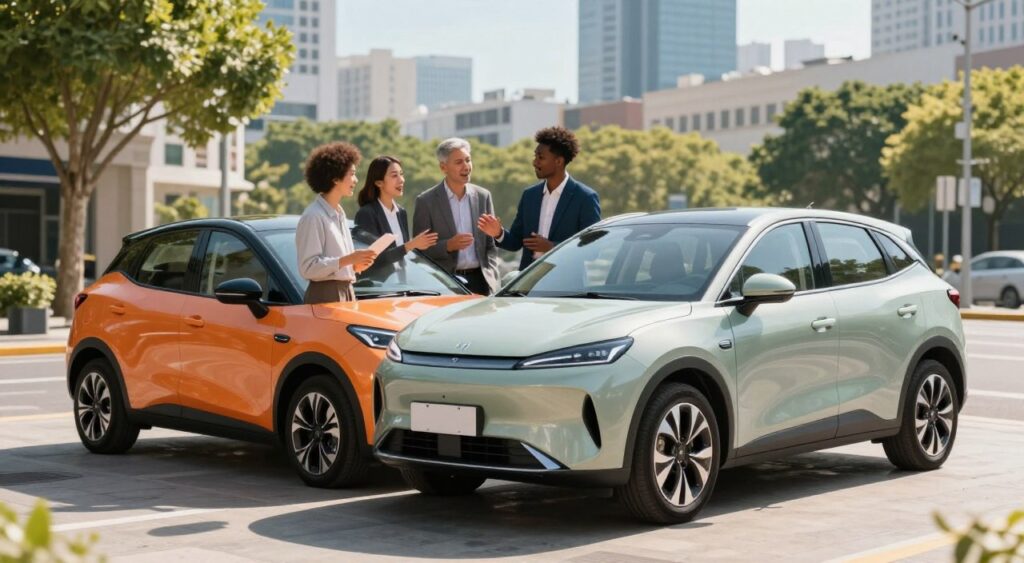
Getting a new car can be pricey, but there are cheaper ways. Leasing a car is one such option. It lets you drive a new car without the big financial burden of buying it.
When you lease a car, you pay for its loss in value over the lease period. This makes it easier for more people to drive new cars. Let’s look at affordable car leasing options in the US. It’s key to know the benefits and how they can help you.
Key Takeaways
- Leasing a vehicle is a cost-effective way to drive a new car.
- You pay for the vehicle’s depreciation over the lease term.
- Affordable car leasing options can make driving a new vehicle more accessible.
- Understanding the terms of your lease is important.
- Leasing can offer flexibility at the end of the lease term.
What is Car Leasing?
Many Americans choose to lease a vehicle instead of buying. It offers flexibility and lower monthly payments. Leasing lets you drive a new car for two to three years without the long-term commitment of buying.
Understanding the Basics of Car Leasing
Auto leasing means using a vehicle for a set time in exchange for monthly payments. The cost depends on several things, like the vehicle’s depreciation, interest rates, and fees. Knowing these is key to making a good choice when leasing.
The net cap cost, or the vehicle’s negotiated price, is important. The vehicle’s depreciation also affects the lease cost. The interest rate, or “money factor,” impacts your monthly payments. Other factors like down payment, location, mileage limits, and damage fees when returning the vehicle also matter.
Key Terms You Should Know
To understand car leasing, you need to know some key terms. The residual value is the vehicle’s estimated value at lease end, affecting payments. The mileage limit is also key, as going over it can lead to extra fees.
Other terms to know include the “gross capitalized cost,” which is the total financed amount, and “capitalized cost reduction,” or any down payment made. Knowing these terms helps you understand your lease and avoid surprises.
Learning about car leasing basics and what affects lease costs helps you decide if leasing is right for you. Whether you want to drive a new car often or avoid buying long-term, leasing a car can be a good and affordable choice.
Benefits of Car Leasing
Car leasing is a popular choice instead of buying a car. It offers many benefits that make it appealing to many drivers. One big advantage is the financial flexibility it provides.
Lower Monthly Payments Compared to Buying
Leasing means smaller monthly payments than buying. Lessees only pay for the vehicle’s depreciation during the lease term. This is great for those who want to drive a newer, more expensive car than they could afford to buy.
A study showed leasing can save up to 30% on monthly payments. Lease payments are based on the vehicle’s depreciation and rent charges. These are usually lower than loan payments for buying the vehicle.
| Aspect | Leasing | Buying |
|---|---|---|
| Monthly Payments | Lower, based on depreciation | Higher, based on full purchase price |
| Upfront Costs | Often lower or no down payment | Typically requires a down payment |
| Maintenance | Often covered under warranty during lease term | Owner is responsible for all maintenance costs |
Access to Newer Models and Technology
Leasing lets drivers get newer models and the latest technology every few years. This is great for those who love driving the newest cars or need the latest safety features and fuel efficiency.
With competitive car leasing deals, finding best car lease offers is easier. This flexibility makes leasing a good choice for many drivers.

How to Choose the Right Lease
To lease a car near me that fits your budget and lifestyle, it’s key to know how to pick the right lease. Picking the right car lease means looking at several things to get the best deal.
Assessing Your Budget and Needs
Before you start looking for a car lease, it’s important to check your finances and how you drive. Think about these points:
- Your monthly budget for lease payments
- The total cost of the lease, including down payment and fees
- Your annual mileage to determine the appropriate mileage limit
- Any additional features you require, such as insurance options or maintenance packages
Knowing these things helps you find leases that fit your budget and needs.
Evaluating Different Vehicle Options
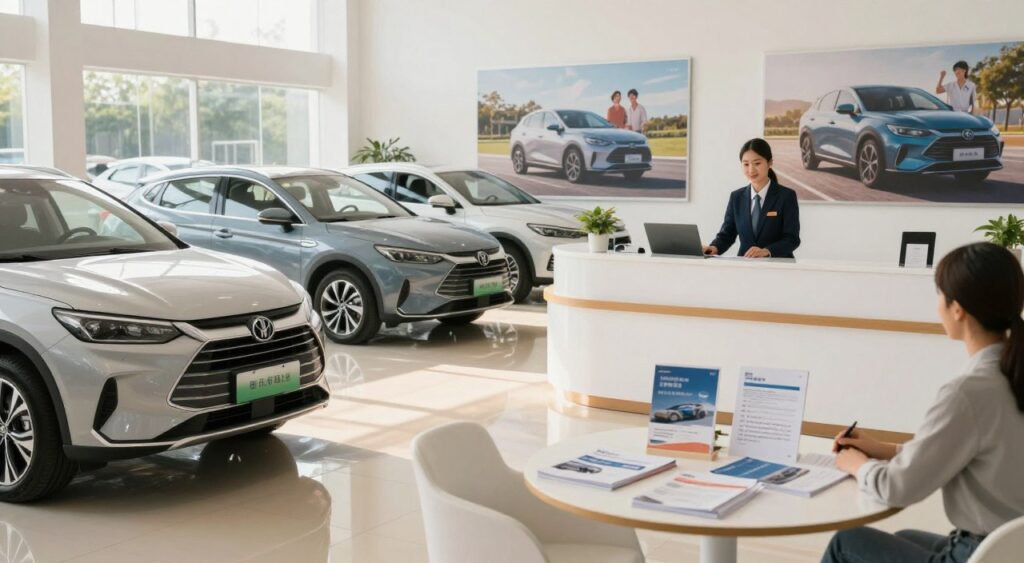
After you know your budget and needs, it’s time to look at different cars. Think about:
- Fuel Efficiency: Choose cars that use less gas to save money.
- Maintenance Costs: Look into the car’s maintenance needs and costs.
- Insurance Rates: Get insurance quotes for the cars you like to know the insurance costs.
- Technology and Safety Features: Think about the latest tech and safety features you want.
To find the cheapest car leasing deal, try changing your down payment, lease term, or mileage limit. Also, look for special lease deals from other companies.
Common Car Leasing Terms Explained
To get the most out of your auto lease, it’s key to know the common terms. Knowing these terms helps you understand the leasing process better. It also lets you make smart choices.
Lease Payments and Residual Value
Lease payments depend on the car’s price, the residual value, and the lease length. The residual value is what you pay at lease end if you keep the car. Dealerships figure this out when you negotiate, affecting your monthly payments.
A car with a high residual value means lower monthly payments. This is because you’re paying for the car’s depreciation over the lease term.
Mileage Limits and Fees
Most car lease specials have mileage limits, usually 10,000 to 15,000 miles a year. Going over these limits can lead to extra fees. These fees vary by dealer but are often per mile.
It’s important to think about your driving habits. If you drive a lot, choose a lease with a higher mileage limit. Or, be ready for mileage fees at lease end.
When you compare leasing vs buying a car, knowing these terms helps you choose wisely. It depends on what’s best for your situation.
Comparing Leasing vs. Buying
Leasing and buying a car are two different ways to get a vehicle. Each has its own good and bad points. Knowing these differences helps you choose what’s best for you, based on your money situation and what you like.
Pros and Cons of Each Option
Leasing lets you drive a new car every few years. You get to enjoy the latest tech without owning the car long-term. But, you won’t own the car, and there might be limits on how much you can drive it. You could also face extra fees for wear and tear.
Buying a car means you own it once you’ve paid off the loan. But, it often requires a big down payment and higher monthly payments than leasing. The car’s value will drop over time, and you’ll have to pay for repairs as it gets older.
Key Considerations:
- Leasing: Lower monthly payments, latest models, but no equity in the vehicle.
- Buying: Ownership, possible long-term savings, but higher upfront and monthly costs.
Long-Term Financial Impact
Looking at the long-term costs is key. Leasing means paying monthly for the car’s depreciation and extra fees. Buying means financing the full price, but you might save money if you keep the car long enough.

| Aspect | Leasing | Buying |
|---|---|---|
| Monthly Payments | Generally lower | Higher, based on the vehicle’s full price |
| Ownership | No ownership at the end of the lease | Full ownership after financing is paid off |
| Maintenance and Repairs | Typically under warranty during the lease term | Maintenance costs increase as the vehicle ages |
| Customization | Limited, as the vehicle must be returned in good condition | Full customization options, as you own the vehicle |
The choice between leasing and buying depends on your situation, how you drive, and your financial goals. Weighing the good and bad of each option and thinking about the long-term costs helps you make the right choice for you.
The Car Leasing Process
To lease a car, you’ll go through a few steps. These steps are designed to make the process smooth. Leasing a car might seem complex, but knowing the process can help.
Steps to Lease a Car
Leasing a car involves several key steps:
- Research and Selection: Start by researching different models. Choose a car that fits your needs and budget.
- Negotiate the Lease Terms: After picking a car, negotiate the lease terms. This includes the vehicle’s price, lease duration, and mileage limit.
- Review and Sign the Lease Agreement: Make sure to review the lease agreement carefully. Ensure all terms are as agreed upon before signing.

Documents You Need to Bring
When leasing a car, you’ll need to bring certain documents:
- Valid Driver’s License: A valid driver’s license is essential for leasing a car.
- Proof of Insurance: You’ll need to provide proof of insurance that meets the leasing company’s requirements.
- Financial Documents: Depending on the leasing company, you may need to provide financial documents. These can include proof of income or credit reports.
Having these documents ready can make the leasing process smoother.
By understanding the steps and having the necessary documents, you can make the car leasing process more efficient and less stressful.
Popular Car Leasing Programs in the US
The US has many car leasing programs for different budgets and tastes. Car makers offer special deals like 0% APR financing and loyalty bonuses. These deals can make leasing much cheaper.
Major Dealerships Offer Competitive Leases
Big dealerships across the US have great leasing options. For example, Toyota and Ford have great lease deals on their newest cars. They have lots of vehicles, from small cars to SUVs, so you can find the perfect lease.
Experts say leasing from big dealerships is safer and more flexible than leasing from small companies.
“Leasing a car from a reputable dealership ensures that you have access to a wide range of models and reliable customer service,” said a leading automotive analyst.
Online Leasing Services
Online leasing services are becoming more popular. They offer convenience and often better rates. Sites like LeaseTrader and CarLeaseDepot let you look at and compare lease offers from many dealerships. This is great for finding the best lease deals in your area.
- Easy comparison of lease offers
- Access to a wide range of vehicles
- Convenient online application process
When you search for “lease a car near me,” online services make it easy. They connect you with local dealerships that have good leasing deals.
Understanding Lease End Options
As your lease is ending, it’s important to think about your choices. You can return the vehicle, extend the lease, or buy the car at the agreed value.
What Happens at the End of Your Lease?
At lease end, you must return the vehicle to the lessor. It should be in good shape and within the agreed mileage. Not doing so might cost you extra. Always check your lease contract for details.
Returning the vehicle means you’re done with the lease. But, you might face charges for wear and tear or extra miles.

Extending Your Lease vs. Buying
Extending your lease is an option if you don’t want to give up the car yet. It gives you more time to decide. Buying the car at the residual value is a good deal if its market value is higher.
When choosing between extending or buying, think about your needs, the car’s condition, and the costs. Look at car lease specials to make a smart choice.
Understanding your lease end options is key. Carefully weighing them will help you decide what’s best for you. This could be returning the vehicle, extending the lease, or buying the car.
Tips for Negotiating Your Lease
To get the best car leasing deals, knowing how to negotiate is key. It’s not just about the monthly payment. You need to understand the total cost and lease terms.

How to Get the Best Deal
When you’re negotiating, look at the total lease cost, not just the monthly payment. This helps you avoid hidden fees and find the best car lease offers. Dealers might focus on low monthly payments, but this can lead to a higher total cost.
To negotiate well, research the car’s market value. Knowing the residual value and average lease terms in your area helps. Use tools like Edmunds or Kelley Blue Book to find a fair price.
- Check the manufacturer’s incentives and discounts.
- Understand the lease terms, including mileage limits and fees.
- Negotiate the capitalized cost, which is the vehicle’s price at the start of the lease.
Understanding Dealer Incentives
Dealer incentives are important for negotiating your lease. These incentives come from manufacturers to boost sales or leases of certain models. Knowing about these incentives can help you lease a car near me at a better rate.
Dealers get bonuses for meeting sales or lease targets. They might pass these savings to you. Ask about any incentives and how they can lower your lease costs.
| Incentive Type | Description | Benefit |
|---|---|---|
| Manufacturer Discounts | Discounts offered by the manufacturer to move specific models. | Lower capitalized cost. |
| Lease Subsidies | Subsidies provided by the manufacturer to reduce lease payments. | Lower monthly payments. |
Being informed and prepared helps you negotiate a lease that fits your needs and budget. Always aim for the best deal. If the terms aren’t right, don’t be afraid to walk away.
Frequently Asked Questions About Car Leasing
Car leasing can seem confusing, mainly for newcomers. Many have questions about how it works, its benefits, and its downsides. We’ll tackle some common questions and myths about car leasing here.
Debunking Common Myths
Many think leasing is only for those who can’t afford to buy a car. But, leasing is smart for anyone wanting to drive new cars without the long-term costs of buying. It offers flexibility and lower monthly payments than financing a purchase.
Is Leasing Right for You?
Choosing between leasing and buying a car depends on your situation. If you drive a lot or keep cars for years, buying might suit you better. But, if you like new cars and the latest tech, leasing could be your choice. Think about your budget, driving habits, and what you prefer when deciding.
FAQ
What is the main difference between leasing and buying a car?
How are lease payments calculated?
What is residual value, and why is it important?
Are there any mileage limits when leasing a car?
Can I negotiate the terms of my car lease?
What happens at the end of my lease term?
Are there any fees associated with returning a leased vehicle?
Can I lease a car if I have bad credit?
How does leasing a car affect my insurance rates?
Is leasing a car a good option for businesses?