Brake Repair Made Easy: Restore Your Vehicle’s Performance
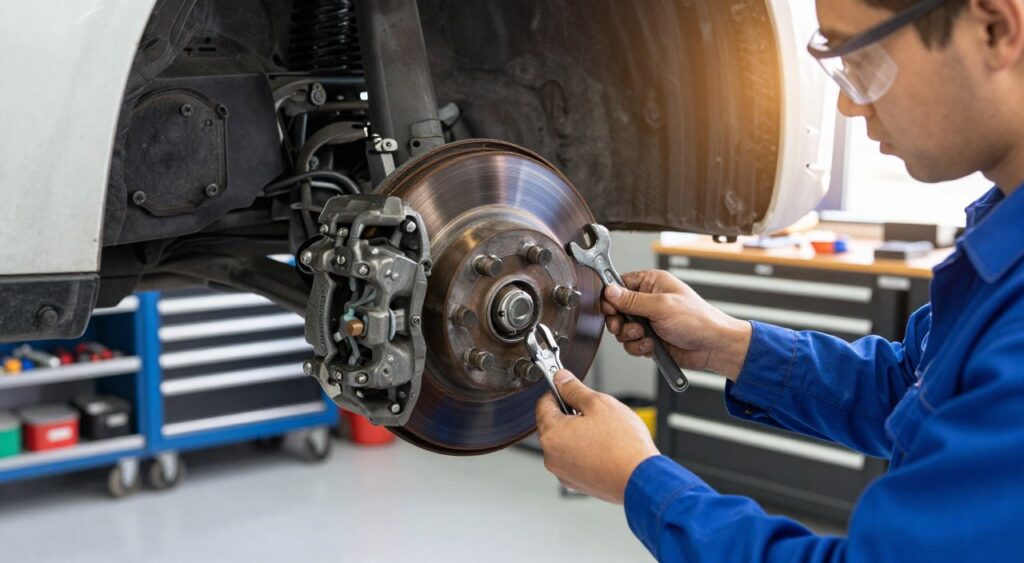
Proper brake maintenance is key for your vehicle’s best performance and safety.
Ignoring brake service can cause your car to stop less effectively. It also raises the chance of accidents and leads to expensive fixes later.
Regular brake repair keeps your car in top shape. It makes driving smoother and more responsive.
Key Takeaways
- Regular brake maintenance is essential for vehicle safety.
- Neglecting brake service can lead to costly repairs.
- Proper brake repair ensures optimal vehicle performance.
- Regular brake checks can help prevent accidents.
- Maintaining your vehicle’s brakes is key for a smooth drive.
Understanding Brake Systems and Their Importance
A good brake system is key for safe and smooth driving. It lets you stop your vehicle safely. Keeping your brakes in top shape is essential.
What Are the Main Components of a Brake System?
Brake systems have several important parts. These include brake pads, rotors, calipers, and brake fluid. Brake pads create friction to slow or stop the vehicle. Their quality affects how well the brakes work.
Brake rotors are vital as they face the brake pads to create friction. Over time, they can wear down or warp. This means they might need to be resurfaced or replaced. Brake calipers hold the brake pads and apply pressure to the rotors. Keeping these parts in good shape is key for safe braking.
How Brake Systems Affect Your Vehicle’s Performance
Your brake system’s condition greatly affects your vehicle’s performance and safety. A well-kept brake system helps your vehicle stop quickly and safely. On the other hand, neglecting your brakes can lead to poor stopping power and dangerous driving situations.
“Regular brake maintenance is not just about safety; it’s also about maintaining your vehicle’s performance and extending its lifespan.”
Also, a bad brake system can wear down other parts like tires and suspension. This can lead to more maintenance costs later on.
Common Signs Your Brakes Need Repair
It’s important to know when your brakes need fixing. Signs include squealing or grinding noises, a soft brake pedal, or vibrations when braking. Squealing noises often mean worn brake pads. Grinding noises suggest the pads are gone, which can harm the rotors.
- Squealing or grinding noises during braking
- A spongy or soft brake pedal
- Vibrations or pulsations when applying the brakes
If you see these signs, get your brakes checked by a skilled brake technician. They can tell you what repairs are needed.
Types of Brake Repairs You Might Need
Knowing about brake repairs is key to keeping your car running well. Brake systems are complex, with repairs ranging from simple to complex. It’s important to understand the different services available.
Brake Pad Replacement Explained
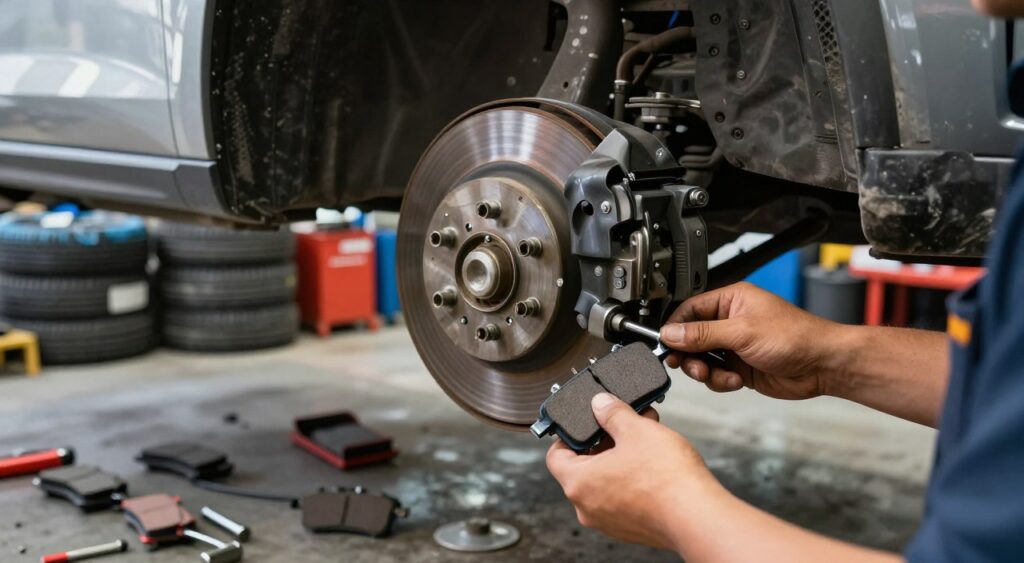
Brake pad replacement is a common repair. Brake pads wear out due to friction and need to be replaced. This ensures your brakes work well.
Choosing the right brake pads is critical. They must match your car’s make and model. Driving habits and conditions affect how often pads need to be replaced.
Regular checks can tell you when to replace brake pads. This helps keep your brakes in top shape.
Rotors: When Do They Need to Be Resurfaced or Replaced?
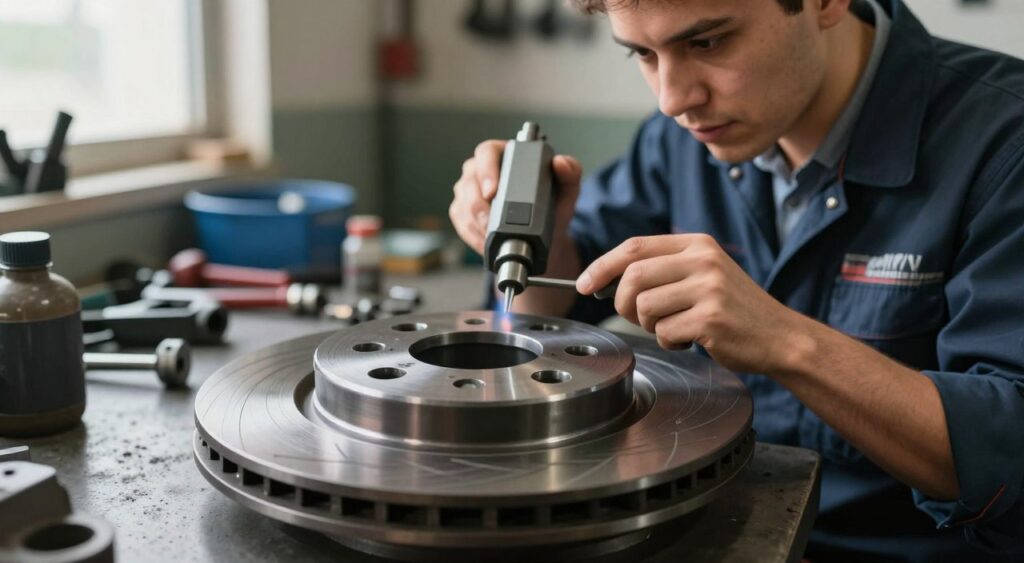
Brake rotors are vital for braking. Over time, they can warp or wear down, affecting braking. Resurfacing or replacing them can fix this.
Resurfacing smooths out the rotor surface. But if rotors are too thin or damaged, they need to be replaced. The choice depends on wear and manufacturer’s guidelines.
Brake Fluid Flush: What Is It and Why It’s Necessary?
A brake fluid flush replaces old brake fluid with new. Brake fluid is essential for the braking system. It transfers pressure to the brake calipers.
Over time, brake fluid can get contaminated. This reduces its effectiveness. A flush keeps the braking system healthy by ensuring clean fluid.
Regular brake fluid flushes are recommended. They follow the vehicle manufacturer’s schedule. Understanding brake repairs helps keep your car safe and running well.
DIY vs. Professional Brake Repair: What’s Best?
Vehicle owners often wonder if they should fix their brakes themselves or go to a professional. This choice depends on the repair’s complexity, how comfortable you are with DIY, and safety.
When to Attempt DIY Brake Repairs
DIY brake fixes can save money, like when you just need to replace brake pads. But, think about your skills and the risks. If you’re not sure or lack experience, it’s safer to avoid DIY.
Simple brake repairs that might be good for DIY include:
- Replacing brake pads
- Checking brake fluid levels
Before you start any DIY brake fix, make sure you have the right tools and follow safety rules.
Benefits of Professional Brake Services
Professional brake services have many perks, like expert knowledge, special tools, and warranties. Mechanics can find and fix complex problems well.
Key advantages of professional brake services include:
- Accurate diagnosis and repair
- Warranty on parts and labor
- Access to special tools and equipment
Safety Considerations in Brake Repairs
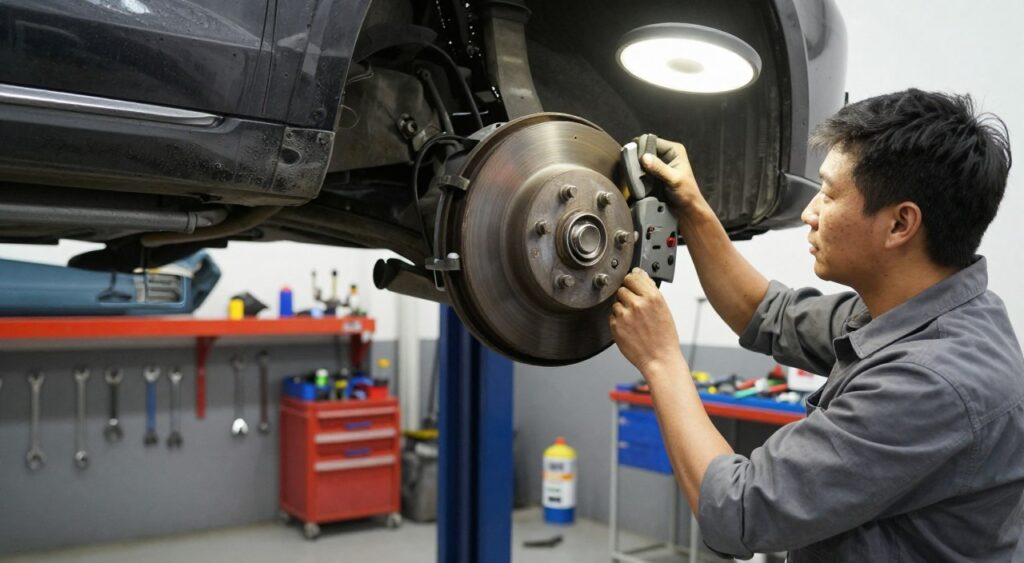
Safety is key in brake repairs. Bad repairs can cause brakes to fail, which is dangerous for everyone on the road.
Safety considerations include:
- Ensuring brakes work right after repair
- Avoiding damage to other parts during repair
- Following safety rules when working with brakes
In summary, DIY fixes are okay for simple tasks, but for complex repairs or doubts, go for professional help. Safety and quality repairs are vital for your car’s performance and safety.
The Brake Repair Process: What to Expect
The brake repair process has several key steps to ensure your vehicle’s safety and performance. When you bring your vehicle in for brake repair, you can expect a thorough and transparent process. This process addresses your specific needs.
Initial Inspection and Diagnosis
The first step is a detailed inspection to find the exact problem. Technicians check the brake pads, rotors, calipers, and more. They look for wear or damage.
“A thorough inspection is key to finding the root cause of brake problems and suggesting the right repairs.”
This step is vital. It makes sure all problems are found and fixed, not just the symptoms. The inspection may include visual checks and the use of special tools to measure brake wear and find any issues.
Repair Options and Recommendations
After the inspection, technicians will give you a detailed report and suggest repairs. This could mean replacing brake pads, resurfacing or replacing rotors, or flushing and replacing brake fluid. They aim to offer clear and concise repair options that fit your budget and needs.
Talking to your technician about the repair options is important. They can explain the benefits and outcomes of each choice. They help you decide based on your vehicle’s condition and how you drive.
Quality Assurance After the Repair
After the repairs, a quality assurance process is done to check the brakes. This includes testing the brakes in different conditions to make sure they work right. As experts say, “Quality assurance is a critical step that ensures the repair meets the highest standards.”
This quality check gives you peace of mind, knowing your vehicle is safe. It shows the technician’s dedication to excellence and customer satisfaction.
Cost of Brake Repairs: What to Budget For
Knowing the cost of brake repairs helps you plan your budget. The cost varies based on the vehicle type, damage extent, and repair shop rates.
Factors That Influence Brake Repair Costs
Several factors affect brake repair costs. The type of brake repair needed is key. Replacing brake pads is cheaper than rotors or calipers.
The quality of the parts used matters too. OEM parts are pricier but ensure quality and fit.
Labor costs also vary. They depend on the repair shop’s hourly rate and job complexity. More complex jobs cost more.
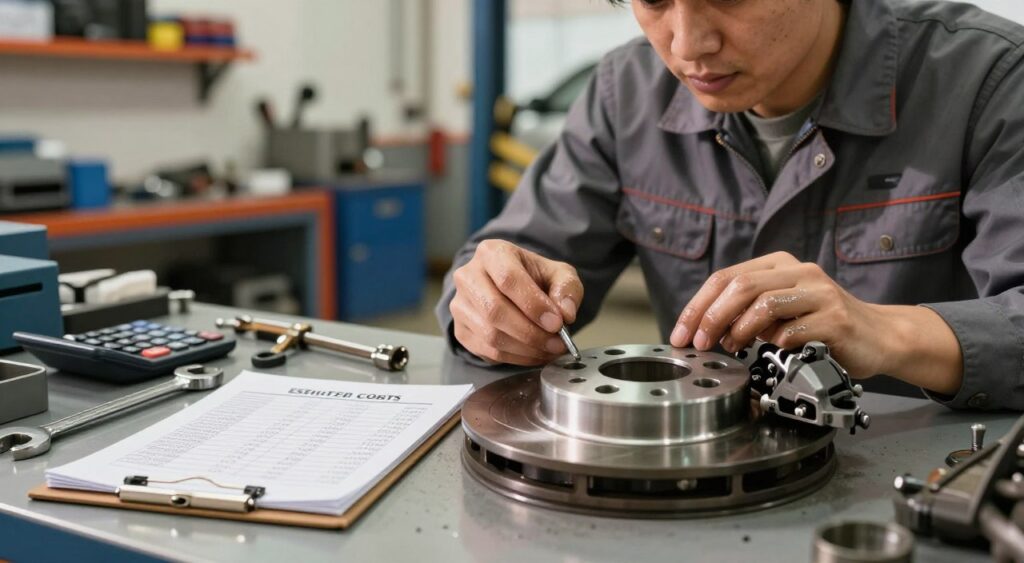
Average Costs for Common Brake Repairs
Knowing average costs for common repairs helps budgeting. Here are some typical prices:
- Brake pad replacement: $150-$300 per axle
- Rotors resurfacing or replacement: $100-$500 per rotor
- Brake fluid flush: $70-$150
- Calipers replacement: $200-$400 per caliper
Ways to Save on Brake Maintenance
There are ways to cut brake maintenance costs. Regular maintenance checks catch issues early, saving money.
Choosing a reputable repair shop with good prices and quality parts helps. Using aftermarket parts for some repairs can also save money, but check their quality and fit.
Choosing the Right Brake Repair Shop
Finding the right brake repair shop is key to getting your car’s brakes fixed right. With so many choices, knowing what to look for is important.
Key Qualities in a Reliable Repair Shop
A good brake repair shop has certain qualities that make it stand out. Here are some important ones:
- Certified Technicians: Make sure the mechanics are certified and have brake repair experience.
- Transparent Pricing: A good shop will give clear prices upfront, showing all costs.
- Warranty on Services: Look for shops that offer a repair warranty for your peace of mind.
- Positive Reputation: Check online reviews and ask for referrals to see how others rate the shop.
Importance of Customer Reviews and Recommendations
Customer feedback is key in finding a reliable brake repair shop. Websites like Yelp and Google Reviews offer insights from others. Also, asking friends and family for recommendations can lead you to a trustworthy service provider.
“A good mechanic is like a good doctor; they can diagnose the problem and provide the right treatment.” This quote shows why finding a skilled and reliable mechanic is so important.
When choosing a brake repair shop, take your time and do your homework. By looking at the shop’s qualities and customer feedback, you can be sure your car is in good hands.
Brake Repair Safety Tips You Should Know
Knowing about brake repair safety tips can greatly lower accident risks. It’s vital to make sure your vehicle’s brakes work right. This keeps you and others safe on the road.

Signs of Brake Failure to Watch For
Spotting brake failure signs is the first step in keeping your vehicle safe. Look out for these common signs:
- Squealing or grinding noises when applying the brakes
- A soft or spongy brake pedal
- Vibrations or pulsations when braking
- The illumination of the brake warning light on your dashboard
These signs mean your brakes might need quick attention. If you ignore them, you could face serious issues like brake failure. This is very dangerous.
How to Maintain Brakes Between Repairs
Keeping your brakes in good shape is important. Here are some ways to do that:
- Regularly check your brake fluid levels and top them off as needed.
- Look at your brake pads and rotors for wear and tear.
- Avoid riding your brakes, as this can cause unnecessary wear.
- Have your brakes checked by a pro during routine maintenance checks.
By following these tips, you can keep your brakes in top shape. This helps prevent brake failure and keeps you safe.
Regular brake maintenance is not just a recommendation; it’s a necessity for safe driving. Safety experts say, “Proper brake maintenance can significantly reduce stopping distances and prevent accidents.”
The Role of Brake Maintenance in Vehicle Longevity
How well you maintain your vehicle’s brakes greatly affects its lifespan. Regular upkeep not only keeps you safe but also extends your car’s life.
Routine Checkups and Maintenance Practices
To keep your brakes in top shape, follow a regular maintenance schedule. This includes:
- Regularly inspecting brake pads for wear and tear
- Checking brake fluid levels and condition
- Inspecting rotors for scoring or excessive wear
- Ensuring all brake components are clean and free from debris
Routine maintenance practices help spot issues early. This prevents expensive repairs later on.
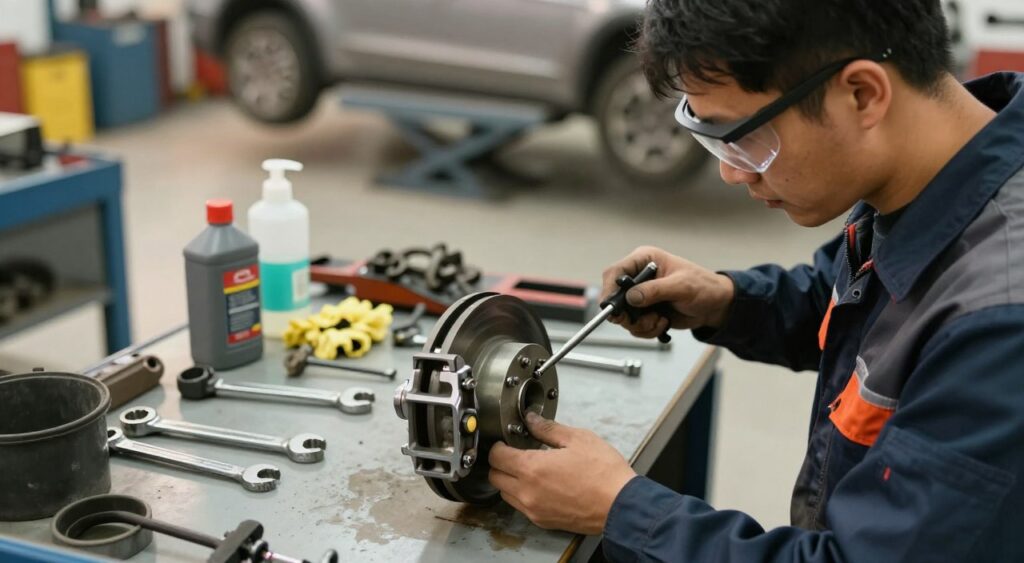
Signs That Indicate Your Brakes Need Attention
Knowing when your brakes need attention is key. Look out for these signs:
- Squealing or grinding noises when applying the brakes
- Vibrations or pulsations felt through the brake pedal
- A spongy brake pedal or increased stopping distance
- The illumination of the brake warning light on your dashboard
If you see any of these signs, get your brakes checked by a pro right away. This prevents damage and keeps you safe.
By doing regular checkups and knowing when to act, you help your vehicle last longer.
Modern Technology in Brake Repair
Modern technology has changed brake repair for the better. It makes the process faster and more reliable. New technologies help diagnose brakes more accurately and fix them quicker, cutting down on repair time.
Innovations in Brake System Design
Brake system design has seen big changes. Advanced materials and manufacturing techniques have made brake parts more efficient and long-lasting. For example, ceramic brake pads are now common because they last longer and work better than old brake pads.
Another key change is the use of electronic brakeforce distribution (EBD) systems. These systems help distribute brake force evenly, making vehicles more stable and safe. Also, new anti-lock braking systems (ABS) prevent wheels from locking up during hard braking. This keeps the vehicle stable and in control.

How Technology Improves Repair Efficiency
Technology has made brake repairs much faster. Diagnostic tools and software help mechanics find brake problems quickly. For instance, cars with onboard diagnostics (OBD) systems give detailed info on brake performance, making diagnoses more accurate.
Also, repair information systems and technical service bulletins (TSBs) keep mechanics up-to-date with the latest repair methods. This ensures repairs are done right and fast. Specialized tools for specific brake systems also help make repairs more precise and effective.
In summary, modern technology has greatly improved brake repair. It makes the process more efficient, reliable, and safe for everyone involved.
Questions to Ask Your Mechanic Before a Brake Repair
Before your mechanic starts on your brakes, it’s key to ask the right questions. Knowing what to expect can help you understand the process and costs. It also prepares you for what happens during and after the repair.
What Services Are Included in the Estimate?
When you get a brake repair estimate, it’s important to know what’s included. Ask your mechanic to detail the costs for parts and labor. This way, you can see exactly what’s being fixed or replaced.
For example, are the brake pads being swapped out? Or are the rotors getting a new surface or being replaced? Knowing this can help you check if the work is needed and if you’re being charged fairly.
Key questions to ask about the services included:
- What specific brake components need repair or replacement?
- Are there any additional repairs recommended, and why?
- What is the cost of parts versus labor?
How Long Will the Repair Take?
Knowing how long your brake repair will take is important for planning. Ask your mechanic how long it’s expected to take. This info helps you plan your day and arrange for other transport if needed.
Also, knowing the time frame can help manage your expectations and reduce stress about the repair.
Factors that might influence the repair timeframe:
- The extent of the damage to your brake system
- The availability of necessary parts
- The workload of the repair shop
By asking the right questions, you can have a better brake repair experience. Being informed helps you understand the process, costs, and what to expect. This ensures your vehicle is fixed safely and correctly.
Conclusion: Importance of Timely Brake Repair
Keeping your vehicle’s brakes in good shape is key for vehicle safety. We’ve looked at brake repair and maintenance in this article. This includes understanding brake systems and picking the right repair shop.
Fixing brakes on time is more than just solving problems. It’s about stopping them before they start. By prioritizing brake maintenance, you lower the chance of brake failure. This can prevent serious accidents.
Keeping Your Vehicle Safe on the Road
A good brake system is vital for safe driving. Regular checks and upkeep can spot issues early. This keeps your vehicle safe to drive.
Prioritizing Brake Maintenance for Long-Term Safety
Regular brake care means safer driving. It’s important to find a trusted mechanic. They should offer quality service and advice on brake care. This ensures timely brake repair when needed.
FAQ
What are the most common signs that my brakes need repair?
How often should I have my brakes inspected?
Can I attempt DIY brake repairs, or should I seek professional help?
How much does brake repair typically cost?
What factors influence brake repair costs?
How can I save money on brake maintenance?
What should I look for when choosing a brake repair shop?
How long does a typical brake repair take?
What services are typically included in a brake repair estimate?
How can I maintain my brakes between repairs?

You Might Also Like