Unlock the Benefits of Autonomous Systems
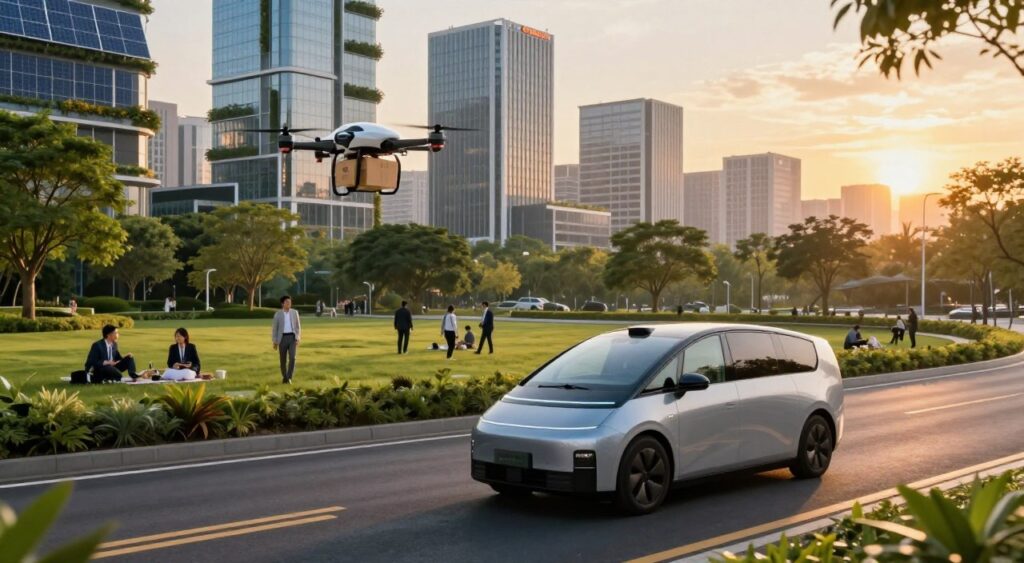
The world is changing fast with autonomous technologies. Industries like manufacturing and transportation are getting a big boost. This is thanks to self-driving and automated systems.
Studies show that using AI and getting workers ready can really boost productivity. As tech keeps getting better, the role of autonomous systems is clear.
These systems make things more efficient. They’re also changing how businesses work in many areas.
Key Takeaways
- The integration of autonomous systems is revolutionizing various industries.
- AI adoption paired with workforce readiness leads to significant productivity gains.
- Autonomous technologies are making things more efficient and changing how businesses operate.
- The importance of autonomous systems is becoming more and more clear in our tech-driven world.
- Self-driving and automated systems are leading this big change in technology.
What Are Autonomous Systems?
Modern technology is filled with autonomous systems. These systems work independently, without needing humans to control them. They can do tasks on their own, making choices based on what’s around them.
Definition of Autonomous Systems
Autonomous systems run without human help. They use sensors, software, and hardware to understand their surroundings. This lets them work in many areas, like making things and moving people.
What makes autonomous systems special is their autonomy. They don’t need to be told what to do for every situation. Instead, they can figure things out on their own, thanks to smart algorithms and data.
Key Characteristics of Autonomous Systems
Autonomous systems have a few key traits:
- Independence: They work without human help.
- Adaptability: They can adjust to new places and situations.
- Decision-making: They make choices based on current data.
- Learning capability: Many can get better over time by learning from their experiences.
Types of Autonomous Systems
Autonomous systems come in different types, based on how they’re used and what they do:
- Robotic Systems: These are physical machines that can do tasks by themselves, like robotic arms in factories.
- AI-controlled Machines: These machines use artificial intelligence to decide and act, like self-driving cars.
- Software-based Autonomous Systems: These systems work in a virtual world, making choices based on data, like financial trading algorithms.
Knowing about the different kinds of autonomous systems helps us see their many uses and benefits in various fields.
The Rise of Autonomous Technology
Autonomous technology has made huge strides in recent years. It’s now a key part of innovation. This journey started decades ago, turning science fiction into reality.
Autonomous systems are changing industries and how we live and work. They’re making a big impact.
Historical Timeline of Autonomous Systems
The growth of autonomous systems has been slow but steady. It started in the mid-20th century with robotics and AI. These early steps laid the groundwork for today’s advanced systems.
Now, we have self-governing machines that can decide on their own. This is a huge leap from the simple machines of the past.
| Year | Milestone |
|---|---|
| 1950s | First robotic systems developed |
| 1980s | Advancements in AI and machine learning |
| 2000s | Introduction of unmanned aerial vehicles (UAVs) |
| 2010s | Rise of driverless vehicles and autonomous transportation |
Current Trends in Autonomous Innovations
Autonomous technology is advancing fast, thanks to AI, machine learning, and sensors. It’s being used in many fields, from manufacturing to healthcare. This trend is expected to keep growing.
The impact will be huge, improving efficiency, safety, and productivity. We’re seeing autonomous systems everywhere, changing how we do things.
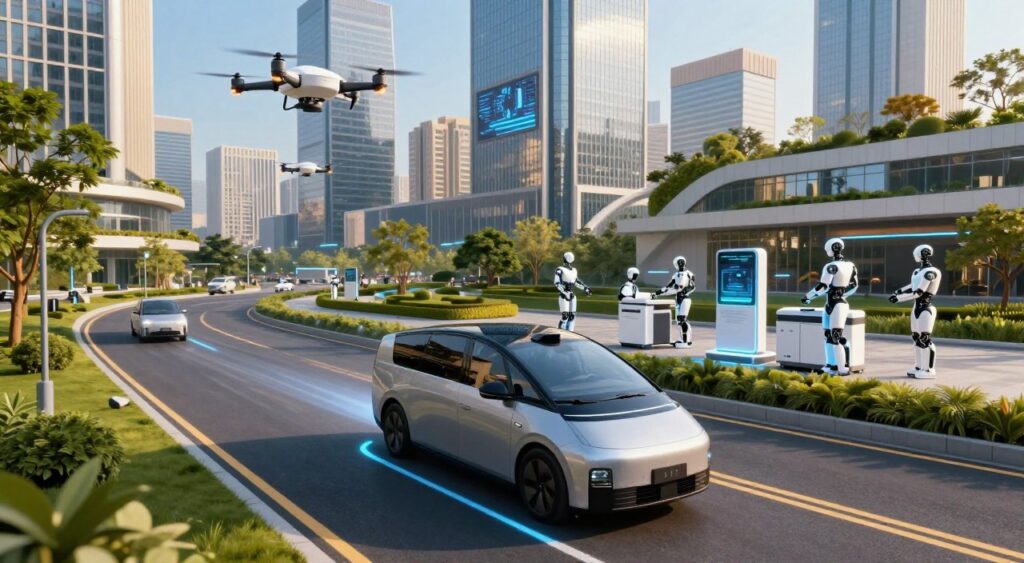
As technology gets better, we’ll see even more advanced systems. They’ll be able to make complex decisions and interact with their surroundings. The future looks bright for autonomous innovations, with many possibilities in different areas.
Benefits of Autonomous Systems in Various Industries
Autonomous technology is changing many industries for the better. It boosts productivity and safety. It’s used in manufacturing, transportation, and agriculture to make things more efficient and cut costs.
Improving Efficiency in Manufacturing
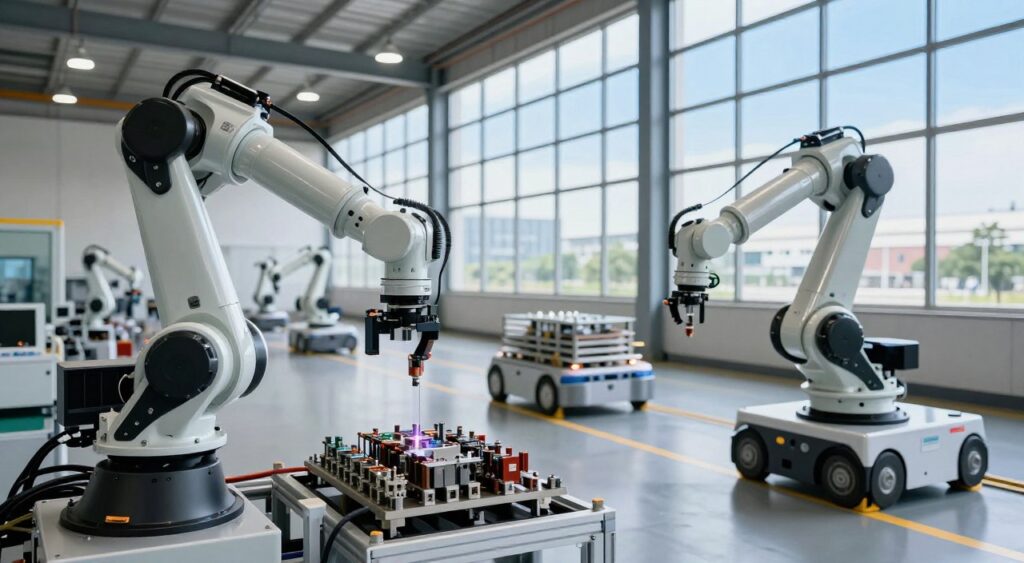
Autonomous systems are changing how we make things. Robotic automation does repetitive tasks well, letting people do more creative work.
- Increased productivity through continuous operation
- Improved product quality due to reduced human error
- Enhanced workplace safety by automating hazardous tasks
Autonomous systems also help with predictive maintenance. Machines can spot and fix problems before they happen. This cuts down on downtime and boosts efficiency.
Enhancing Safety in Transportation
Autonomous vehicles are making roads safer. They use sensors and AI to move through complex spaces.
- Reduced accidents caused by human error
- Improved traffic flow through optimized routing
- Enhanced safety features such as automatic emergency braking
Autonomous vehicles could greatly lower road accident rates. This makes travel safer for everyone.
Streamlining Operations in Agriculture
Autonomous tech is changing farming too. It lets farmers watch over their crops better. Precision agriculture uses drones, satellite images, and sensors to improve crop yields and cut waste.
- Improved crop monitoring and management
- Optimized irrigation and fertilization
- Reduced labor costs through automation
Farmers can make better choices with autonomous tech. This leads to more efficient and green farming practices.
The arrival of autonomous systems is changing the game in many fields, like manufacturing and transportation. By using AI, companies can see big boosts in productivity. This is true when they’re ready to work with these new technologies.
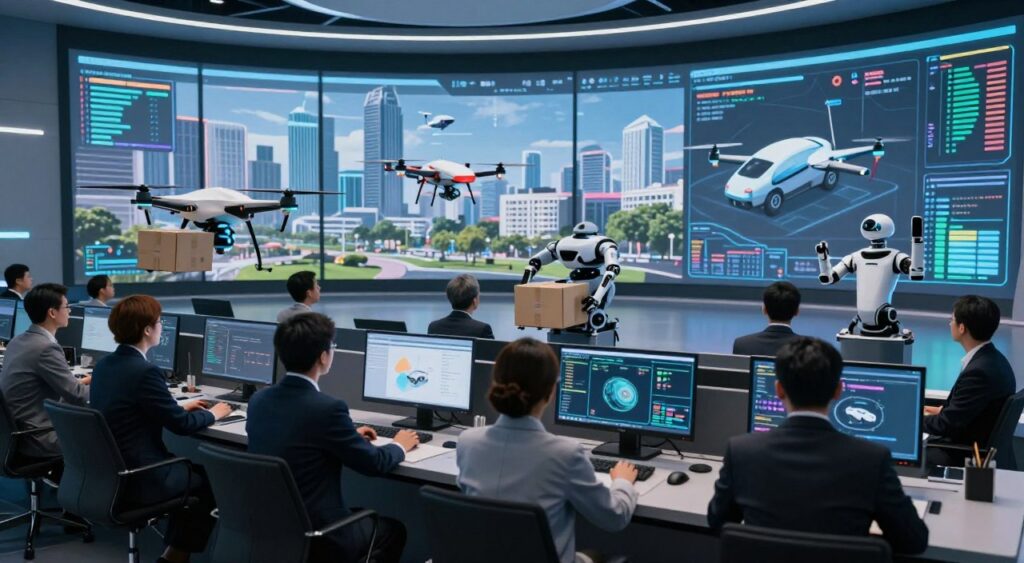
These self-driving and automated tools are making things better and safer in many areas. As more businesses start using AI, it’s key to know how these systems can change things. This knowledge helps companies stay ahead in the game.
Key Takeaways
- Autonomous systems are transforming industries through AI adoption.
- Productivity gains are significant when autonomous technologies are paired with workforce readiness.
- Self-driving technologies are improving safety in transportation.
- Automated systems are making things more efficient in manufacturing.
- Understanding the benefits of autonomous systems is key for future business success.
What Are Autonomous Systems?
Autonomous systems are changing the game in many industries. They can work independently thanks to advanced tech like AI and robotics. This means they can do tasks on their own, without needing a human.
These systems cover a wide range of tech and uses. At the heart, they can sense their surroundings, understand data, and make choices based on that info.
Definition of Autonomous Systems
Autonomous systems are machines or software that can act on their own. They make decisions based on what’s around them and the data they get. They use AI algorithms to understand their environment and move around.
Key Characteristics of Autonomous Systems
Autonomous systems have a few key traits:
- They can see their world through sensors and gather data.
- They can understand and act on that data.
- They can do things by themselves, without needing a person.
These traits help them adjust to new situations and get better over time.
Types of Autonomous Systems
There are different kinds of autonomous systems. You have robotic systems and AI-controlled machines. Robotic systems are often seen in factories and warehouses. AI-controlled machines are used in self-driving cars and smart homes.
| Type of Autonomous System | Application | Key Features |
|---|---|---|
| Robotic Systems | Manufacturing, Logistics | Precision, Efficiency, Adaptability |
| AI-Controlled Machines | Autonomous Vehicles, Smart Homes | Intelligence, Autonomy, Real-time Processing |
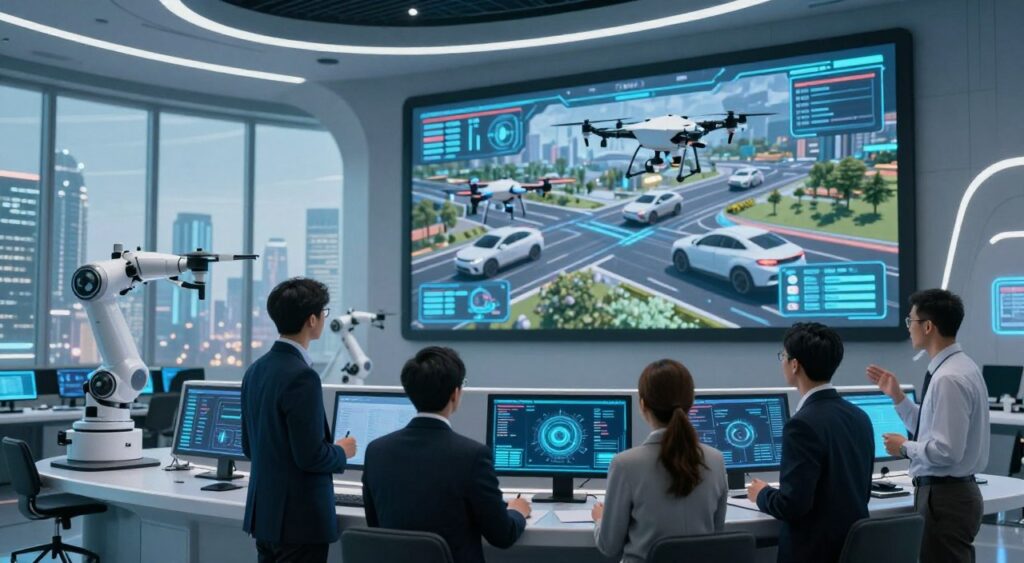
Autonomous systems have many uses and are growing as tech gets better. They’re set to play a big role in the future of many industries.
The Rise of Autonomous Technology
Autonomous technology has changed the game, transforming many industries and shaping our future. Looking at the growth of unmanned and driverless systems, we see their wide impact.
Autonomous systems have a rich history. Early steps paved the way for today’s advanced self-governing machines. Artificial intelligence and machine learning have been key to this progress.
Historical Timeline of Autonomous Systems
Autonomous tech started decades ago with simple automation. Over years, these systems got more complex.
- Autonomous vehicle experiments started in the 1920s, but big leaps came later.
- The 1980s brought more advanced systems, like the first self-navigating robots.
- Recent years have seen huge leaps forward, thanks to AI, sensors, and data tech.
Current Trends in Autonomous Innovations
Now, autonomous tech is moving fast. Trends include using AI and machine learning to boost system abilities.
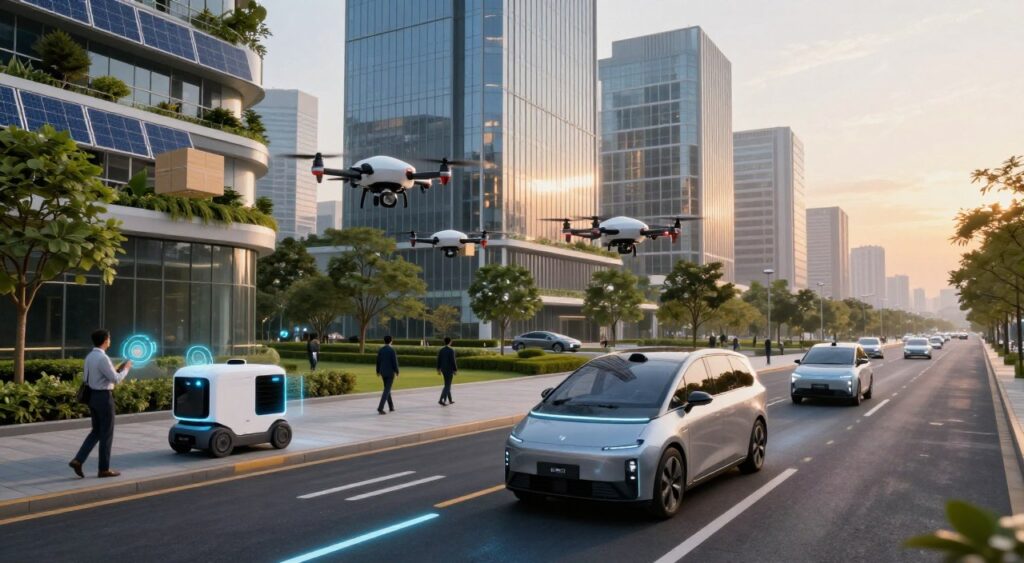
Experts say, “The future of autonomous systems is in their learning and adapting. They’re becoming key in many fields.” This view is backed by growing use of autonomous tech in various sectors.
“Autonomous technology is not just about replacing human labor; it’s about augmenting our capabilities and improving safety and efficiency.”
These changes are affecting many industries, from making things to moving people. As autonomous tech keeps improving, we’ll see more new uses.
Benefits of Autonomous Systems in Various Industries
Autonomous technology is changing the game in manufacturing, transportation, and agriculture. It’s making these industries more efficient, safer, and easier to manage.
Improving Efficiency in Manufacturing
Automated robotic systems are boosting production in manufacturing. They work non-stop, which means more output. For example, BMW uses robots to make cars faster and with more accuracy.
“Autonomous systems have changed how we make things,” says a manufacturing expert. “We’re making more and spending less.”
Enhancing Safety in Transportation
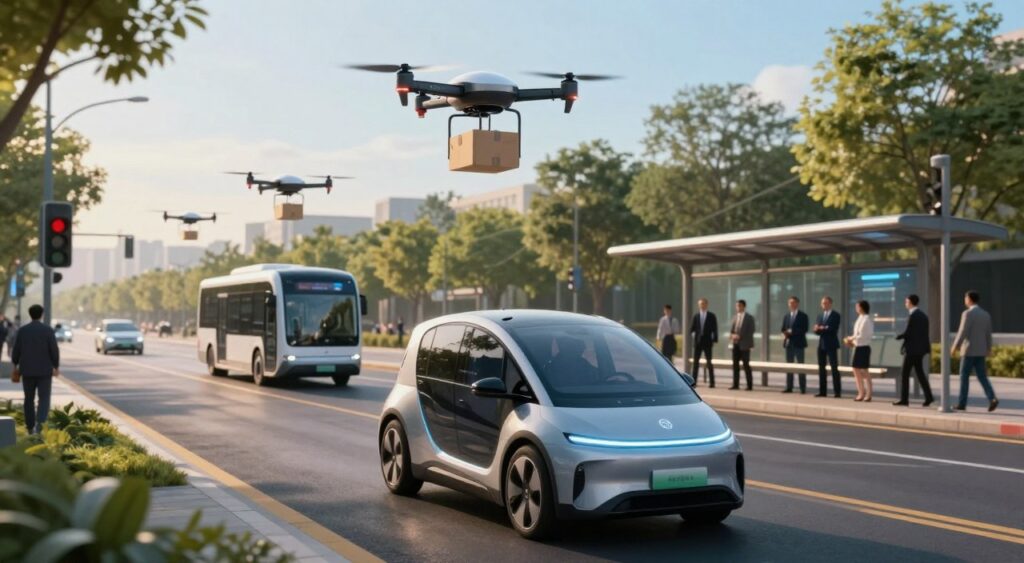
Autonomous tech is making roads safer too. AI-controlled vehicles are being tested to cut down on accidents. Tesla is leading the way, showing how these cars can be much safer.
- Less accidents because of human mistakes
- Better traffic flow with smart routes
- More safety features thanks to constant monitoring
Streamlining Operations in Agriculture
Autonomous systems are also changing farming. They help manage crops better and save on labor costs. Automated farming equipment plants, cares for, and harvests crops with great precision. For instance, John Deere has made tractors that can work almost on their own.
Using autonomous tech in farming makes it more efficient and helps the environment too. It reduces waste and increases crop yields.
How Autonomous Systems Work
Autonomous systems use AI, data processing, and decision-making algorithms. They work on their own, making choices based on data and programming.
The Role of Artificial Intelligence
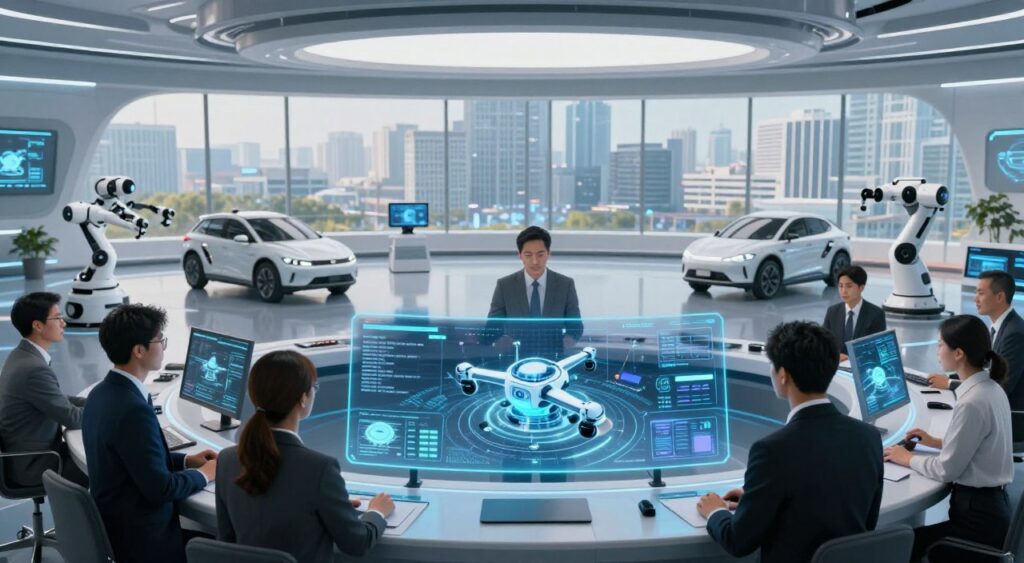
Artificial Intelligence (AI) is key to autonomous systems. It helps them understand data, learn, and decide. AI algorithms process lots of data from sensors, letting the system know what’s happening around it.
AI is important for real-time decision-making. This is vital for self-driving cars and drones. AI analyzes data to help these systems handle complex situations and make the right choices.
Sensors and Data Processing
Sensors collect data from the environment. This data is then processed by algorithms. These algorithms help the system understand its surroundings and make decisions.
The type of sensors used depends on the application. For example, self-driving cars use cameras and radar. Agricultural drones use GPS and environmental sensors.
Decision-Making Algorithms
Decision-making algorithms are central to autonomous systems. They figure out how to act based on the data they get. These algorithms are designed to be quick and accurate, considering many factors.
Creating these algorithms requires a deep understanding of the system and its environment. By improving these algorithms, developers can make autonomous systems better and more reliable.
Challenges Faced by Autonomous Systems
Autonomous systems face big hurdles like ethical, technical, and regulatory issues. As they become part of our lives, solving these problems is key for their success.
Ethical Considerations in Automation
The growth of robotic and unmanned systems brings up ethical worries. For example, self-driving cars must choose safety first, but figuring out the right choice can be tough.
There are also questions about who’s to blame when these systems fail. This is because they make choices on their own, without human help.
Technical Limitations and Safety Concerns
Autonomous systems also struggle with technical issues. Sensors and data processing are vital for them to work right.
| Technical Challenge | Description | Impact on Autonomous Systems |
|---|---|---|
| Sensors and Data Processing | The ability to accurately sense the environment and process data in real-time. | Critical for decision-making and safety. |
| Connectivity Issues | Reliance on stable and secure connectivity for data transmission. | Can lead to system failures if connectivity is lost. |
| Cybersecurity Risks | Vulnerability to cyber-attacks that could compromise system integrity. | Potential for significant safety and operational risks. |
Legal and Regulatory Issues
The rules for autonomous systems are changing. Governments are making laws to keep us safe while encouraging new ideas.
One big challenge is figuring out how to test and use unmanned aerial vehicles (UAVs) safely. This includes setting rules for the sky and protecting people.
In summary, autonomous systems have many benefits but also face big challenges. By tackling these issues, we can make sure these independent systems work well and safely.
Impact of Autonomous Systems on Employment
The use of autonomous systems in many fields is changing how we work. With automated and driverless tech, jobs are evolving a lot.
This change brings both good and bad sides. Some worry about job displacement as machines do human tasks. Yet, new tech also opens up jobs we never had before.
Job Displacement versus Job Creation
The effect of autonomous systems on jobs is complex. While some jobs might disappear, others are being made or changed. For example, working on self-governing systems needs skilled people.
It’s key to look at both sides of job displacement and job creation. As old jobs fade, new ones come, needing different skills.
Reskilling the Workforce for a Technological Future
To deal with these changes, reskilling the workforce is vital. As automated systems grow in industries, workers must learn new tech and skills.
Investing in education and training for new tech is important. This way, we can lessen the bad effects of job displacement and grab the chances offered by autonomous systems.
Case Studies of Successful Autonomous Implementations
Autonomous systems are changing the game in many fields. They’re making transportation, disaster relief, and logistics better. These changes boost efficiency, safety, and cut costs.
Autonomous Vehicles in Urban Areas
The use of autonomous vehicles in cities is a big deal. They can handle complex routes. This is being tested in cities globally.
- Improved safety through reduced human error
- Enhanced mobility for the elderly and disabled
- Increased efficiency in traffic flow
Drones in Disaster Relief Operations
Drones are key in disaster relief. They help with damage checks, supply drops, and rescue efforts. Their speed in surveying and delivering aid is unmatched.
- Rapid assessment of damage and needs
- Efficient delivery of supplies to inaccessible areas
- Enhanced search and rescue operations
Robotics in Warehousing and Logistics
Robotics are making warehousing and logistics better. They handle routine tasks, freeing up people for more complex jobs. This boosts productivity and accuracy.
- Improved inventory management
- Enhanced order fulfillment accuracy
- Increased operational efficiency
In summary, autonomous systems are making a big impact. They’re improving efficiency, safety, and productivity across industries. As tech advances, we’ll see even more uses of autonomous systems.
The Future of Autonomous Systems
Autonomous systems are set to change many industries. They will grow and innovate thanks to AI, machine learning, and better sensors.
Predictions for Technological Advancement
Autonomous systems will get better thanks to new tech. We’ll see better AI, more advanced sensors, and faster data handling. This will make them smarter and more useful.
Some big changes include:
- More AI in making things and moving goods.
- Better drones for watching over places and delivering stuff.
- More advanced self-driving cars for getting around.
Potential Societal Changes
Autonomous systems will change how we live and work. Some jobs might disappear, but new ones will appear. They will also change how we use technology and interact with each other.
| Societal Aspect | Potential Change |
|---|---|
| Employment | Job loss in some areas, new tech jobs. |
| Transportation | More self-driving cars, fewer accidents, smoother traffic. |
| Urban Planning | Cities will change to fit self-driving cars and drones. |
The future of autonomous systems is about tech and society. We need to understand and manage these changes. This way, we can make sure these systems help everyone.
How to Prepare for an Autonomous Future
Autonomous systems are becoming more common, making it vital to plan ahead and keep learning. The future of work and life is changing fast. Self-governing technologies are transforming industries and our daily lives.
Adopting a Proactive Approach
To succeed in an automated world, we must adapt and grow. It’s important to stay updated on new tech and open to new ideas. This way, we can use autonomous systems to our advantage while avoiding their downsides.
Investing in robotic tech is a smart move. It can make work more efficient. Using autonomous vehicles, drones, or other machines can help businesses stay ahead in a fast-changing market.
Embracing Continuous Learning
Learning never stops in an autonomous future. As automated systems get smarter, we’ll need more skilled workers. These workers will help develop, maintain, and use these systems.
To get ready, focus on learning skills like data analysis, programming, and critical thinking. Companies should also offer training to help their teams keep up with new tech.
By always learning and staying ahead, we can fully benefit from autonomous systems. This will lead to a better future for everyone.
Autonomous Systems in Everyday Life
Autonomous systems are everywhere in our daily lives. They make our homes smarter and our deliveries faster. These systems aim to make our lives easier, more efficient, and safer.
Smart Homes and IoT Devices
Autonomous systems are changing how we live in smart homes and with IoT devices. AI-controlled thermostats, lights, and security systems learn our habits. This makes our homes more comfortable and saves energy.
For example, smart thermostats adjust the temperature based on when we’re home. Smart lights change color and brightness to match the room’s mood. This makes our homes more welcoming and energy-smart.
| Device | Functionality | Benefit |
|---|---|---|
| Smart Thermostat | Temperature Control | Energy Efficiency |
| Smart Lighting | Adjusts Brightness and Color | Enhanced Ambiance |
| Smart Security System | Monitors Home Security | Increased Safety |
Autonomous Delivery Services
tech is changing delivery. Companies are testing self-driving vehicles for packages, groceries, and food.
These services aim to cut delivery times and costs. They also promise better customer service with real-time tracking.
Autonomous delivery means lower costs and faster service. It also lets delivery happen 24/7 without human help.
Conclusion: Embracing the Autonomous Revolution
The autonomous revolution is changing how we work and live. It’s key for businesses and people to adapt and succeed in this new world.
Robotic and automated tech are leading to new ideas, better efficiency, and safety in many fields. By embracing these changes, we open up new chances and build a future where tech and people work together.
Shaping a Collaborative Future
To make the most of autonomous systems, we need to work together. This teamwork will help us solve problems and make sure everyone gets a fair share of the benefits.
Call to Action
As we move ahead, learning, reskilling, and innovation are essential. By focusing on these, we can reach the full promise of autonomous systems and build a better future for everyone.
FAQ
What are autonomous systems, and how do they work?
What are the benefits of autonomous systems in various industries?
What are the challenges faced by autonomous systems?
How will autonomous systems impact employment?
What are some examples of successful autonomous implementations?
How can we prepare for an autonomous future?
What is the future of autonomous systems?
Are autonomous systems safe?