Automotive Experts Offer Advice for Car Owners
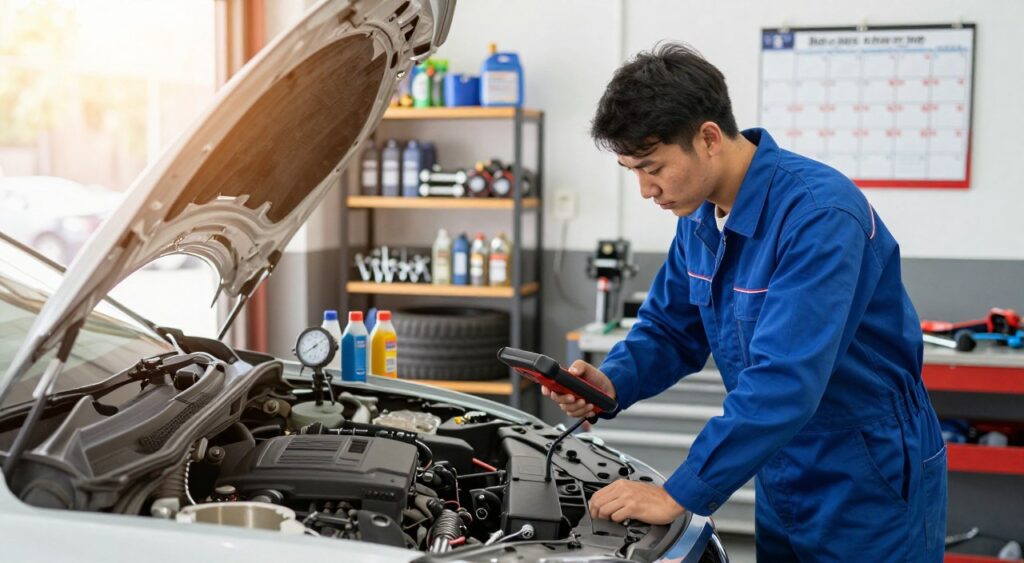
As a car owner, knowing how important vehicle maintenance is is key. Regular checks keep your car running well, make it safer, and boost its performance.
Experts in the automotive field share great tips to keep your car in great shape. Their advice helps you avoid expensive fixes, lowers accident risks, and keeps your car healthy.
Going to a trusted car dealership or talking to automotive pros gives you advice made just for your car.
Key Takeaways
- Regular vehicle maintenance is essential for safety and performance.
- Following expert advice can help extend your vehicle’s lifespan.
- A well-maintained vehicle reduces the risk of accidents.
- Consulting with automotive experts provides personalized guidance.
- Visiting a reputable car dealership can offer valuable maintenance tips.
Understanding Your Vehicle’s Maintenance Schedule
Knowing your vehicle’s maintenance schedule is vital to avoid expensive repairs and keep it running well. A maintenance schedule outlines the recommended services and repairs. It helps keep your vehicle efficient.
Importance of Regular Maintenance
Regular vehicle maintenance is essential for many reasons. It spots problems early, lowers the chance of breakdowns, and keeps your vehicle safe. It also boosts fuel efficiency and performance.
By keeping up with maintenance, you dodge expensive repairs later. For example, regular oil changes prevent engine damage. And, tire rotations make your tires last longer.
Common Maintenance Tasks
Some common maintenance tasks include:
- Oil changes
- Tire rotations and balancing
- Brake pad replacements
- Fluid checks (engine oil, coolant, brake fluid, etc.)
- Battery maintenance
These tasks are key to keeping your vehicle healthy. Always check your owner’s manual for specific advice for your vehicle.
How to Create a Maintenance Checklist
Creating a maintenance checklist helps you stay on track and avoid missing important services. Begin by looking at your owner’s manual for recommended maintenance tasks and how often they should be done. Use a planner, app, or digital calendar to schedule these tasks.
A good checklist should have:
- The type of maintenance task
- The recommended frequency (e.g., every 5,000 miles)
- The last date the task was performed
- The next scheduled date for the task
By using this checklist, you can track your vehicle’s maintenance needs. This ensures it stays in top condition.
Tips for Choosing the Right Tires
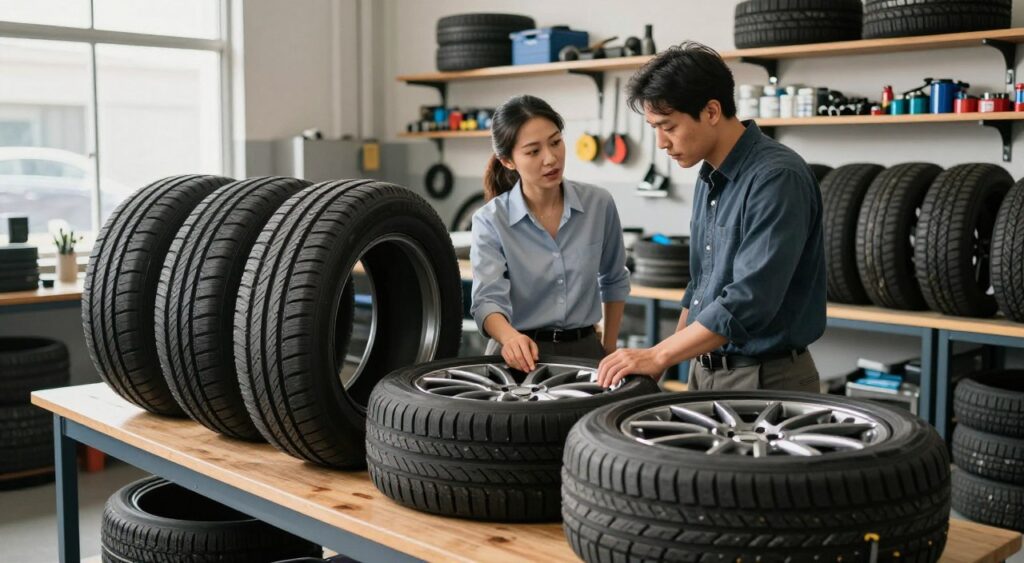
Choosing the right tires is about knowing your driving habits, the weather, and your car’s needs. The right tires can greatly improve your car’s performance, safety, and how much fuel it uses.
Factors to Consider When Buying Tires
Several things matter when picking tires. Your driving style, whether city or highway, affects the best tire for you. The weather in your area is also key; for example, winter tires are better in cold weather.
Your car’s specs, found in the owner’s manual or on the driver’s side doorjamb, help choose the right tire size and type. Thinking about these points helps you make a smart choice.
How to Maintain Your Tires
Keeping your tires in good shape is vital for their longevity and your car’s safety and performance. Regular checks include checking tire pressure, looking for wear signs, and rotating tires as recommended.
- Check tire pressure at least once a month and before long trips.
- Inspect tires for signs of damage or uneven wear.
- Rotate tires according to the manufacturer’s schedule.
Understanding Tire Pressure
Tire pressure is key to tire care. Proper pressure boosts fuel efficiency, handling, and safety. The right pressure is in your car’s manual or on the tire information placard.
| Tire Condition | Effect on Vehicle | Recommendation |
|---|---|---|
| Underinflated | Reduced fuel efficiency, poor handling | Check and adjust pressure monthly |
| Overinflated | Reduced traction, increased risk of tire damage | Follow manufacturer’s recommended pressure |
| Properly Inflated | Optimal fuel efficiency, handling, and safety | Regularly check pressure; adjust as needed |
Fuel Efficiency Tips for Your Vehicle
Improving your vehicle’s fuel efficiency is good for the planet and your wallet. Simple practices and being aware of your car’s needs can greatly boost its fuel efficiency.
Best Practices for Driving
Your driving habits are key to your vehicle’s fuel efficiency. Here are some tips to follow:
- Drive Smoothly: Avoid sudden starts and hard stops to save fuel.
- Maintain a Consistent Speed: Staying at a steady speed, like on highways, improves fuel efficiency.
- Remove Extra Weight: Less weight means less fuel used. Clear out your trunk and back seat of unnecessary items.
Importance of Regular Tune-Ups
Regular tune-ups keep your vehicle running well and save fuel. A well-maintained engine boosts performance and cuts down on fuel use.
Focus on these during a tune-up:
- Air Filter Maintenance: A dirty air filter hurts fuel efficiency. Check and replace it as needed.
- Spark Plug Condition: Bad spark plugs cause poor combustion, wasting fuel. Replace them on time.
- Fuel System Cleaning: A clean fuel system ensures your engine gets the right fuel, improving efficiency.
Using the Right Fuel for Your Car
Choosing the right fuel is critical for your vehicle’s performance and fuel efficiency. Always check your car’s manual for the recommended fuel type.
| Fuel Type | Vehicle Type | Benefits |
|---|---|---|
| Regular Gasoline | Most passenger vehicles | Cost-effective, suitable for most driving conditions |
| Premium Gasoline | High-performance or luxury vehicles | Higher octane rating, potentially better performance |
| Diesel | Diesel engine vehicles | Better fuel efficiency, more torque |
By following these tips and understanding your vehicle’s needs, you can greatly improve fuel efficiency. This saves money on gas and helps the environment.
How to Handle Common Car Problems
Every car owner will face common car problems. Knowing how to handle them can reduce stress. Issues like engine problems, electrical faults, and brake concerns can be tough. But, with the right approach, you can diagnose and fix them effectively.
Diagnosing Engine Issues
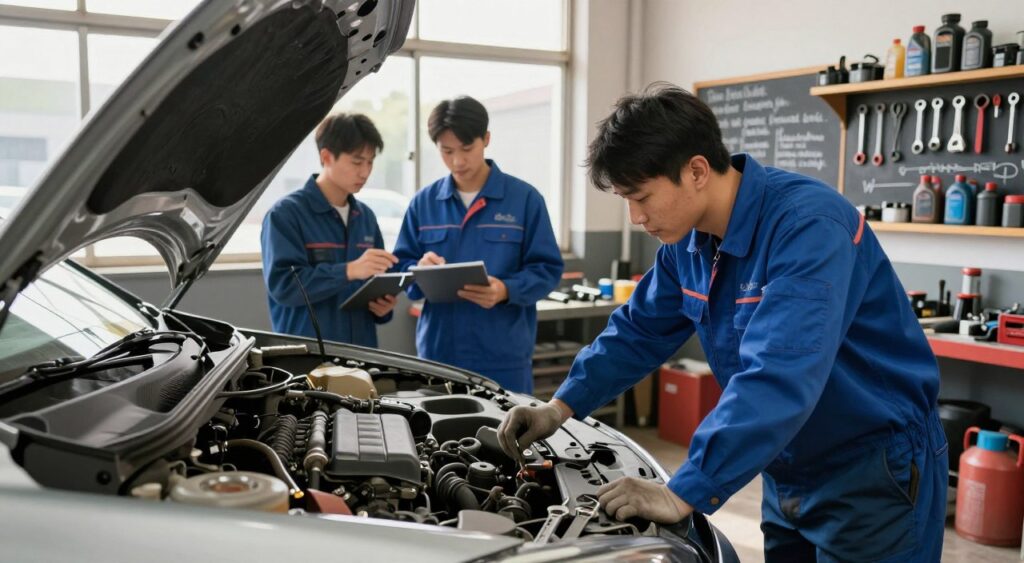
Engine issues can show up in many ways. You might hear unusual noises, see a drop in performance, or notice warning lights on your dashboard. Start by checking the basics: oil levels, coolant levels, and air filter condition. A simple check can often reveal the source of the issue.
- Check for any error codes using an OBD-II scanner.
- Inspect the condition of your spark plugs and replace them if necessary.
- Look for signs of leaks or damage in the engine compartment.
If you’re unsure about the diagnosis, consulting a professional mechanic is advisable. They can provide a more detailed assessment and recommend the necessary vehicle repair services.
Dealing with Electrical Problems
Electrical issues in your car can range from minor annoyances like a faulty radio to major problems like a dead battery or malfunctioning safety systems. Start by checking the battery condition and terminals. Corrosion or a weak battery can cause a variety of issues.
- Inspect the fuses and relays to identify any blown components.
- Check the wiring for damage or wear, specially in areas exposed to heat or moisture.
- Consider using a multimeter to test voltage and continuity in electrical circuits.
For complex electrical issues, it’s often best to consult a professional with experience in auto parts and electrical systems.
Troubleshooting Brake Issues
Brake problems can compromise your safety on the road. Common symptoms include spongy brake pedals, grinding noises, or vibrations when braking. Start by checking the brake fluid level. Low brake fluid can lead to a spongy pedal or reduced braking performance.
- Inspect the brake pads and rotors for wear or damage.
- Check for any leaks in the brake lines or master cylinder.
- Consider having your brakes inspected by a professional to ensure they are functioning correctly.
Regular maintenance, including checking and replacing car accessories like brake pads, can help prevent brake issues.
The Importance of Vehicle Inspections
Regular vehicle inspections are key to keeping your car in top shape. Experts say, “A well-maintained vehicle is safer, more efficient, and better for the environment.” Regular checks can spot problems early, before they get big.
What to Expect During an Inspection
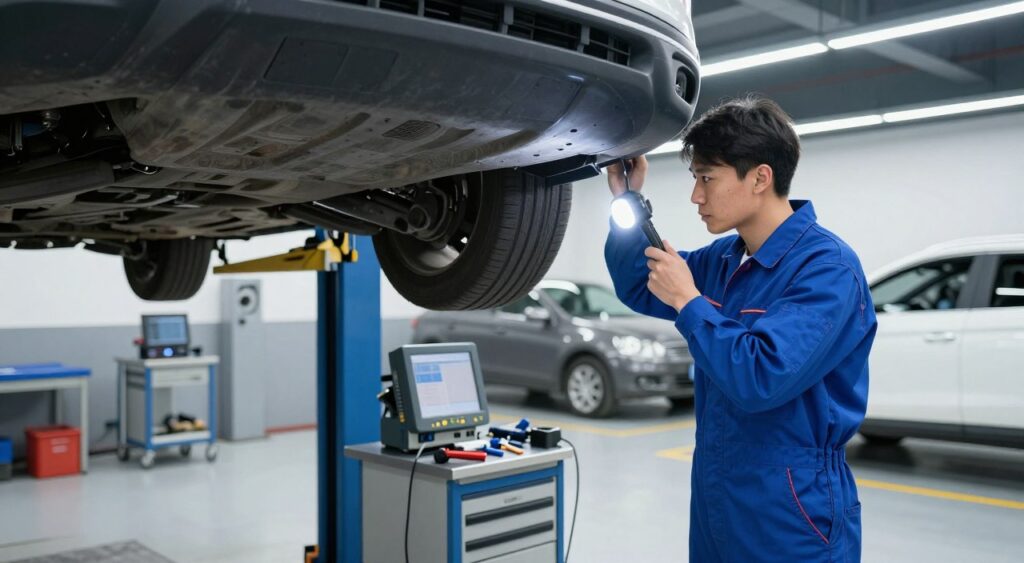
A skilled mechanic will check your car thoroughly during an inspection. They look at important parts like brakes, tires, and fluids. A detailed inspection can stop breakdowns and cut down repair costs.
Common Inspection Points
Some key areas checked include:
- Brake pads and rotors
- Tire condition and pressure
- Fluid levels (engine oil, coolant, brake fluid)
- Battery condition
- Suspension and steering components
These checks make sure your vehicle is running smoothly.
Frequency of Inspections
How often you need a vehicle inspection depends on your car’s age, mileage, and the maker’s advice. Usually, inspections are advised every 5,000 to 7,500 miles. Talking to a car dealership or a trusted mechanic can guide you on the best schedule for your car.
“Regular maintenance and inspections are key to extending the life of your vehicle and ensuring your safety on the road.”
Customizing Your Vehicle Safely
Customizing a vehicle can make it look and work better. But, safety must always come first. When car owners want to make their vehicles unique, they need to think about the safety of their changes.
Popular Car Modifications
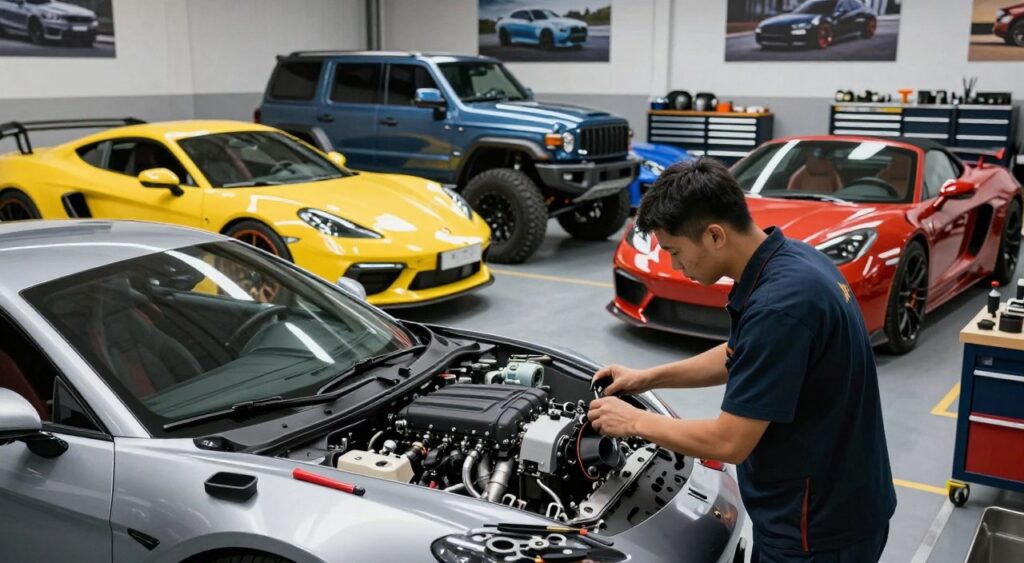
Many car owners choose to boost their vehicle’s performance. They might tune the engine or add new exhaust systems. Others like to change how their car looks, with custom paint or new interiors. It’s key to do your homework on any change you make to ensure it’s safe and done right.
- Performance enhancements (e.g., engine tuning, suspension upgrades)
- Aesthetic modifications (e.g., custom paint, interior design changes)
- Technology integrations (e.g., advanced infotainment systems, driver assistance systems)
Understanding Warranty Implications
Knowing how car customizations affect your warranty is important. Some changes can make your warranty invalid, leading to big repair bills if something goes wrong. Always check your warranty before making any changes.
To avoid problems, car owners should:
- Consult with the dealership or manufacturer
- Choose modifications that won’t harm your warranty
- Keep records of all changes made
Working with Professionals
For safe and proper customizations, working with pros is best. Experienced mechanics and auto experts can offer great advice and quality work. They can also guide you through any legal or warranty issues with your modifications.
When picking a pro for your car’s customization, look at their:
- Reputation and customer feedback
- Experience with similar jobs
- Warranty on their work
Safety Features Every Car Should Have
Having the right safety features in your car can greatly reduce injury or death risks in accidents. It’s not just about avoiding accidents. It’s also about being ready with the right safety technologies and accessories that boost vehicle safety.
Essential Safety Technologies
Modern cars come with many safety technologies to prevent accidents and lessen injury. Some key safety features include:
- Anti-lock braking systems (ABS)
- Electronic stability control (ESC)
- Airbags, including front, side, and curtain airbags
- Advanced driver assistance systems (ADAS) such as lane departure warning and blind spot detection
These technologies work together to make driving safer. For example, ABS stops wheels from locking up during hard braking. ESC helps keep the vehicle stable. Airbags protect you in a crash.

Keeping Your Vehicle Safe and Secure
There are also steps you can take to keep your vehicle safe and secure. This includes:
- Regularly checking and maintaining your vehicle’s safety features
- Keeping your vehicle locked and parked in a secure location
- Using car accessories such as steering wheel locks and alarm systems
By taking these precautions, you can greatly lower theft risks and keep your vehicle safe.
Understanding Crash Test Ratings
Crash test ratings show how safe a vehicle is. Groups like the National Highway Traffic Safety Administration (NHTSA) and the Insurance Institute for Highway Safety (IIHS) test vehicles to see how they handle crashes.
| Rating Agency | Rating System | Key Evaluation Factors |
|---|---|---|
| NHTSA | 1-5 Stars | Frontal and side crash tests, rollover resistance |
| IIHS | Good, Acceptable, Marginal, Poor | Small overlap front, moderate overlap front, side impact, roof strength, head restraints & seats |
Knowing these ratings helps you choose a safe car when buying. This ensures you pick a car that meets high safety standards.
When looking at car insurance, a car with good crash test ratings might get lower premiums. This is because it’s seen as safer and less likely to cause expensive claims.
Navigating the World of Car Insurance
Car insurance can seem very complex. There are many options and things to think about. But, knowing your choices is key to saving money and feeling secure.
Types of Auto Insurance Coverage
There are different kinds of auto insurance. Each one helps protect against different risks. Here are the main types:
- Liability Coverage: Covers damages to others in an accident.
- Collision Coverage: Pays for damages to your vehicle from a crash.
- Comprehensive Coverage: Covers damages not from a crash, like theft or natural disasters.
- Personal Injury Protection (PIP): Covers medical costs for you and your passengers.
- Uninsured/Underinsured Motorist Coverage: Helps if you’re hit by someone without insurance or not enough.

Tips for Finding the Best Rates
To find the best car insurance rates, don’t just look at prices. Here are some tips:
- Shop Around: Compare rates from different companies.
- Bundle Policies: Many insurers give discounts for more than one policy.
- Maintain a Good Credit Score: Insurers often use credit scores to set premiums.
- Drive Safely: A clean driving record can lower your rates a lot.
- Consider Usage-Based Insurance: If you’re a safe driver, this could save you money.
| Insurance Tip | Potential Savings |
|---|---|
| Shopping Around | Up to 20% |
| Bundling Policies | Up to 15% |
| Maintaining Good Credit | Up to 30% |
When to Review Your Policy
It’s important to check your car insurance policy often. This ensures it fits your needs. You should review it:
- Annually: To adjust for life or driving changes.
- When You Move: Rates can change based on where you live.
- After a Major Life Change: Events like marriage or children can change your needs.
- When Your Vehicle Ages: Coverage might need to change as your car’s value goes down.
By staying informed and regularly checking your policy, you can get the best coverage at the best rate.
Eco-Friendly Automotive Options
The future of driving is green, with eco-friendly cars becoming more popular. The world is moving towards sustainable practices, and the car industry is innovating.
Benefits of Hybrid and Electric Cars
Hybrid and electric cars have many benefits. They cut down on greenhouse gas emissions and save money on fuel. Hybrid vehicles use both a traditional engine and an electric motor for better fuel use and less pollution. Electric vehicles (EVs) run only on electricity, making no tailpipe emissions.
These cars also offer a quieter ride and could cost less to maintain. This is because they have fewer parts than traditional cars.
How to Choose an Eco-Friendly Vehicle
Choosing an eco-friendly car depends on several things. Think about your driving habits, budget, and what you like. If you have a short drive, a plug-in hybrid or electric car might be perfect.
- Look into different models and their eco-friendly features.
- Check their fuel efficiency and emissions.
- Think about the total cost, including savings and incentives.
Incentives for Eco-Conscious Drivers
Many governments offer incentives for eco-friendly cars. These can include tax credits, rebates, and fee exemptions.
| Incentive | Description | Benefit |
|---|---|---|
| Tax Credits | Credits against your tax liability for buying an eco-friendly car. | Reduces your taxable income. |
| Rebates | Direct payments or discounts on eco-friendly car prices. | Lowers the upfront cost. |
| Fee Exemptions | Exemptions from certain fees, like registration or tolls. | Saves money over time. |
Using these incentives can make switching to green cars more affordable for eco-conscious drivers.
The Role of Technology in Modern Vehicles
Modern cars have changed how we drive with advanced technology. They offer better safety, comfort, and driving experiences.
Infotainment Systems and Connectivity
Infotainment systems are key in today’s cars. They connect us to navigation, entertainment, and settings with ease.
Key Features of Infotainment Systems:
- Touchscreen displays
- Bluetooth and Wi-Fi connectivity
- Voice command functionality
- Smartphone integration (Apple CarPlay, Android Auto)
Advanced Driver Assistance Systems (ADAS)
ADAS technologies boost vehicle safety. They use sensors, cameras, and radar to spot dangers.
| ADAS Feature | Description |
|---|---|
| Adaptive Cruise Control | Adjusts vehicle speed to maintain a safe distance from the vehicle ahead |
| Lane Departure Warning | Alerts the driver if the vehicle drifts out of its lane |
| Automatic Emergency Braking | Applies the brakes to prevent or mitigate a collision |
Future Trends in Automotive Technology
The future of car tech looks bright. Trends include self-driving cars, better connectivity, and AI.
Emerging Trends:
- Autonomous driving capabilities
- Vehicle-to-everything (V2X) communication
- Advanced AI-powered driver assistance systems
As tech advances, cars will get safer and more enjoyable to drive.
Road Trip Prep: Make Your Journey Enjoyable
Going on a road trip is exciting, but you need to prepare well. It’s important to make sure your trip is smooth and fun. Whether you’re exploring new places or visiting loved ones, being ready is key.
Essentials for an Enjoyable Road Trip
Packing the right things is key for a good road trip. You’ll need comfy clothes, entertainment, and car accessories to make driving better. A good GPS or a phone mount can help you stay on track and keep your phone handy.
Don’t forget about vehicle maintenance. Check your car before you leave. Make sure your oil, tire pressure, and brakes are all good. This helps avoid car troubles on your trip.
“The journey of a thousand miles begins with a single step.” – Lao Tzu
Emergency Kits and Tools
Even with the best plans, things can go wrong. That’s why an emergency kit is essential. It should have tools like a spare tire, jumper cables, and a first-aid kit. Being ready for emergencies can save you stress and keep you safe.
- Jumper cables
- Spare tire and tire-changing equipment
- First-aid kit
- Flashlight and extra batteries
- Reflective triangles or flares
Planning Your Route Effectively
Good route planning is key for a stress-free road trip. Use apps or websites to plan your route. Look at traffic, road conditions, and cool stops. Download offline maps if you might lose internet.
| Route Planning Tips | Description |
|---|---|
| Check Traffic Updates | Use real-time traffic updates to avoid congested roads. |
| Plan for Rest Stops | Identify rest stops and service stations along your route. |
| Download Offline Maps | Ensure you have access to maps even without internet. |
By following these tips, you can make your road trip enjoyable, safe, and memorable.
Resources for Car Owners
As a car owner, having the right resources is key. They help keep your vehicle in top shape and ensure your safety. Online communities and local groups are great for staying informed and connected.
Online Forums and Communities
The automotive world is big online, with many forums and communities. Sites like Reddit’s DIY community and forums on Edmunds or Kelley Blue Book are full of advice. Even visiting a reputable car dealership’s website can offer lots of useful info.
Recommended Literature
For those who like books and blogs, there’s plenty to choose from. Motor Trend and Car and Driver have in-depth reviews and articles. Blogs from car brands and experts also offer great tips on car care.
Local Support Groups
Local automotive support groups are a great way to meet other car owners. They share knowledge and showcase their vehicles. These groups often work with local dealerships and repair shops, giving members special access to resources.
FAQ
How often should I check my vehicle’s tire pressure?
What are the benefits of regular vehicle maintenance?
How do I choose the right tires for my vehicle?
What can I do to improve my vehicle’s fuel efficiency?
How do I diagnose engine problems in my vehicle?
What should I expect during a vehicle inspection?
Can I customize my vehicle without voiding the warranty?
What safety features should every car have?
How do I navigate the world of car insurance?
What are the benefits of eco-friendly vehicles?
How can I prepare for a road trip?
Where can I find resources and support for car owners?