Term vs Whole Life Insurance: What’s the Difference?
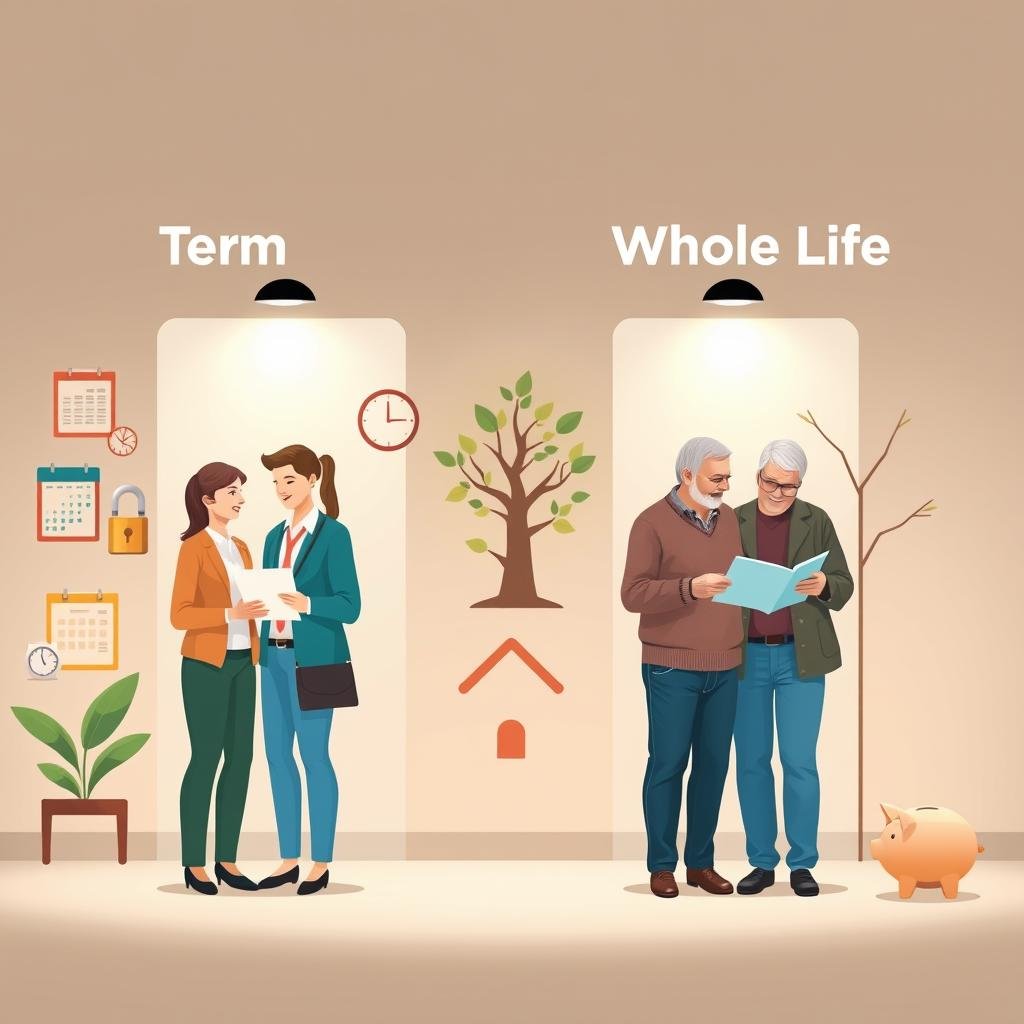
Planning for your family’s financial future can be tough. Many people find it hard to understand the fundamental options for protecting their loved ones. It’s important to know how different financial products work over time.
Understanding the difference between term and whole life insurance is key. This guide makes complex ideas simple. It helps you make a confident choice for your family.
Whether you need temporary or permanent protection, knowing how these plans work is essential. We’ll look at the special benefits of each. This way, you can pick the right coverage for your long-term goals. By comparing term vs whole life insurance, you can give peace of mind to your loved ones.
Key Takeaways
- Identify the primary duration differences between policy types.
- Learn how premiums fluctuate based on your chosen coverage.
- Understand the cash value component found in permanent plans.
- Determine which option best fits your current budget and future needs.
- Gain clarity on how to protect your family’s financial stability effectively.
Introduction to Life Insurance
Life insurance is key to a solid financial plan. It gives you peace of mind and security. It helps your loved ones keep their lifestyle going even after you’re gone.
Importance of Life Insurance
Life insurance is very important. It’s like a safety net for your family. It covers funeral costs, debts, and living expenses.
It helps your family avoid financial stress when you’re no longer there. They can focus on healing without worrying about money.
It also helps with long-term planning. It can be used for things like education or retirement in the future.
Types of Life Insurance
There are mainly two types: term life insurance and whole life insurance. Term life insurance covers you for a set time, like 10 to 30 years. It pays out if you die during that time but doesn’t build cash value.
Whole life insurance, by contrast, lasts your whole life if you keep paying premiums. It also grows a cash value that you can use or borrow against.
Choosing the Right Type
Deciding between term and whole life insurance depends on your goals and budget. It’s crucial to think about what you need. Consider how long you need coverage, how much you need, and if you can afford the premiums.
Talking to a financial advisor can help too. They can give advice based on your unique situation, helping you choose wisely.
Overview of Term Life Insurance
Term life insurance is a simple and affordable choice for life insurance. It offers financial protection to loved ones if the policyholder dies during a set term.
What is Term Life Insurance?
Term life insurance covers you for a set time, usually 10 to 30 years. If you pass away during this time, your family gets a death benefit. This insurance is popular for its easy setup and lower costs compared to whole life insurance.
Key Features of Term Life Insurance
Term life insurance lets you pick a term that fits your financial needs. It also has level premiums, meaning your payments stay the same. This makes budgeting easier.
You can also convert your term life policy to whole life insurance later. Or, you can renew it when it ends, but your premiums might go up.
Pros and Cons of Term Life Insurance
Term life insurance is affordable and easy to understand. It’s a good way to protect your family’s finances if you’re not around. But, it doesn’t build cash value like whole life insurance does.
Another downside is that if you live longer than your term, you won’t get a payout. You’ll need to renew or convert your policy. Still, it’s a great choice for covering short-term financial needs without the high costs of whole life insurance.
Overview of Whole Life Insurance
Whole life insurance is different from term life insurance. It offers coverage for your whole life and also has a savings part. This policy gives a death benefit to your loved ones and a savings part for you to use while you’re alive.
What is Whole Life Insurance?
Whole life insurance is a permanent policy that lasts your whole life if you keep paying premiums. It has a guaranteed death benefit and a savings part that grows over time. As Mark E. Bunge, a renowned insurance expert, once said,
“Whole life insurance is one of the most straightforward and reliable ways to ensure that your loved ones are protected, no matter when you pass away.”
The savings part is a big part of whole life insurance. It lets you borrow against the policy or withdraw money under certain conditions. For more details on term and whole life insurance, check out Progressive’s resource page.
Key Features of Whole Life Insurance
Whole life insurance has several key features:
- Guaranteed death benefit
- Cash value accumulation
- Fixed premiums
- Lifetime coverage
- Potential for dividend payments (depending on the insurer)
Pros and Cons of Whole Life Insurance
Whole life insurance has many benefits, like lifelong coverage and a savings part. But, it also has some downsides, like higher premiums than term life insurance. The good things about whole life insurance are:
- Lifetime coverage as long as premiums are paid
- Cash value accumulation that can be used during the policyholder’s lifetime
- Guaranteed death benefit
The not-so-good things are:
- Higher premiums compared to term life insurance
- Complexity of the policy
- Potential for lower returns on the cash value component compared to other investment options
In summary, whole life insurance is a complete life insurance option. It offers a death benefit and a savings part. Even though it costs more than term life insurance, its benefits can give long-term financial security to you and your loved ones.
Major Differences Between Term and Whole Life Insurance
Choosing between term and whole life insurance depends on several key factors. These differences are important for picking the right policy for your financial goals and personal situation.
Coverage Duration Comparison
Term life insurance covers you for a set period, usually 10 to 30 years. If you die during this time, your family gets a death benefit. Whole life insurance, on the other hand, covers you for life if you keep paying premiums.
Term life insurance is great for covering needs like until your kids are grown or your mortgage is paid off. Whole life insurance ensures your family gets a death benefit, no matter when you pass away, as long as the policy is active.
| Insurance Type | Coverage Duration |
|---|---|
| Term Life Insurance | Specified term (e.g., 10, 20, 30 years) |
| Whole Life Insurance | Lifetime coverage |
Cost Comparison
Term life insurance is cheaper, mainly for younger people. It’s because it only covers you for a certain time. The cost starts low but might go up when you renew.
Whole life insurance costs more, but the price stays the same for life. It’s more expensive upfront because it also grows a cash value over time.
“The higher cost of whole life insurance is not just for the insurance coverage; it’s also an investment component that builds cash value over time.”
| Insurance Type | Premium Structure | Initial Cost |
|---|---|---|
| Term Life Insurance | Increasing upon renewal | Generally lower |
| Whole Life Insurance | Level premiums | Higher |
Cash Value Component
Whole life insurance has a cash value component that grows over time. You can use this cash value for emergencies or to supplement your retirement. This feature is not found in term life insurance.
Term life insurance focuses only on providing a death benefit. It does not build up a cash value over time.
Knowing these differences is key to choosing the right insurance for you. Whether you prefer the affordability of term life or the lifelong coverage and cash growth of whole life, the decision depends on your financial situation and goals.
Who Should Consider Term Life Insurance?
Many people find term life insurance to be the most suitable option. It’s flexible and affordable. This type of insurance covers you for a set period, making it great for temporary needs.
Ideal Candidates for Term
Term life insurance is perfect for those with dependents or big financial responsibilities that will lessen over time. Young families and those with outstanding mortgages or debts often find it helpful.
- Individuals with young children who need financial protection until the children are financially independent.
- Homeowners with a mortgage that will be paid off within a specific term.
- People with significant debts that will decrease over time.
Situations Favoring Term Insurance
Term life insurance is great for specific needs. For example, it’s good until your children graduate or until you retire. It offers protection without a long-term commitment.
It’s also good for those expecting fewer financial burdens over time. For instance, it can cover you until retirement, when your income might drop.
Affordability and Budget Considerations
Affordability is key when picking life insurance. Term life is cheaper than whole life because it lacks a cash value part. This makes it a smart choice for those watching their budget or valuing cost-effectiveness.
- Compare term life insurance quotes from multiple providers to find the best rates.
- Consider the length of the term that aligns with your financial obligations.
- Assess your budget to determine how much you can afford to spend on premiums.
Who Should Consider Whole Life Insurance?
Understanding who benefits most from whole life insurance is key. It offers lifetime coverage, a cash value, and fixed premiums. This makes it appealing to certain individuals.
Ideal Candidates for Whole Life
Whole life insurance is great for those with dependents. It ensures their financial security after you’re gone. It’s also good for those wanting a long-term investment that grows in value.
Ideal candidates include:
- Individuals with significant assets who want to cover estate taxes
- Business owners looking to fund buy-sell agreements
- Parents seeking to secure their children’s financial future
Situations Favoring Whole Insurance
Whole life insurance is better in some situations. For example, if you need life insurance forever, like for final expenses, it’s a good choice. It offers peace of mind.
Other situations include:
- Having a lifelong dependent, such as a child with special needs
- Being a high-net-worth individual with complex estate planning needs
- Wanting to leave a legacy or inheritance
Long-term Financial Planning
Whole life insurance is vital for long-term planning. It offers a death benefit and a cash value. This cash value can be borrowed against or used for retirement.
Adding whole life insurance to your plan can secure a stable future for you and your loved ones.
Premium Payment Structures
It’s important to know how premiums work for term and whole life insurance. This knowledge helps you choose the right policy. The way you pay for your policy affects its cost and benefits.
How Term Life Premiums Work
Term life insurance premiums are fixed for the term of the policy. This means your payments stay the same for the policy’s term. For example, a 20-year term policy means your payments won’t change for 20 years.
These premiums are based on your age and health when you buy the policy. Insurers look at the risk of death and set your premium. Younger people usually pay less because they’re at lower risk.
How Whole Life Premiums Work
Whole life insurance premiums are level for the life of the policy. Your payments stay the same from when you buy the policy until you pass away. Whole life premiums are higher because they also build a cash value over time.
These premiums are based on your age, health, and the insurer’s future expectations. They’re set to cover insurance costs and grow the policy’s cash value.
Impact of Age on Premium Costs
Age greatly affects life insurance premiums. The younger you are, the lower your premiums. This is because younger people are seen as less likely to die, making the insurer’s risk lower.
For both term and whole life insurance, premiums go up with age. But term life premiums increase more when you renew if you’re older. Here are some key points about age and premiums:
- Younger buyers get lower premiums for term life insurance.
- Older buyers face higher premiums or might not get coverage.
- Whole life insurance premiums are level, but buying younger saves money.
Knowing how age affects premiums helps you decide when and what type of policy to buy. It’s all about making an informed choice.
Policy Length and Renewal Options
Life insurance policies differ in how long they last and how you can renew them. This affects your financial security over time. It’s important to understand these differences to make a choice that fits your financial goals and needs.
Term Limits for Term Life Insurance
Term life insurance covers you for a set time, usually 10 to 30 years. You choose the term based on your needs, like until your kids are grown or your mortgage is paid off. Choosing the right term length is key to meeting your financial goals.
For example, a 30-year-old might choose a 20-year policy. This ensures their mortgage is covered and their kids are financially secure until they’re adults.
Renewal Options for Term Policies
Term life insurance often lets you renew without proving you’re still insurable. But, renewal premiums are usually higher because they’re based on your age at renewal.
Renewing can keep your coverage going, but be aware of the premium increase. Think if the renewal still meets your financial protection needs.
Lifelong Coverage with Whole Life Insurance
Whole life insurance, on the other hand, covers you for life if you keep paying premiums. It doesn’t have a term limit. It offers a guaranteed death benefit and a cash value that grows over time. Whole life insurance is a long-term protection solution and a key part of financial planning.
Because it lasts forever, whole life insurance is great for estate planning, covering final expenses, and leaving a legacy. It’s a crucial part of a well-rounded financial strategy.
Cash Value Accumulation in Whole Life
Whole life insurance has a special feature: cash value accumulation. It’s not just for a death benefit. It also acts as a savings tool for the policyholder’s lifetime.
Understanding Cash Value Mechanism
As you pay premiums, the cash value grows. Part of the premium covers insurance costs. The rest is invested, earning interest and increasing the cash value.
The cash value grows at a guaranteed rate. This means you can count on it to grow. And, it grows tax-deferred, so you won’t pay taxes on it until you withdraw it.
Loans Against Policy Value
Whole life insurance lets you take loans against the cash value. These loans have low interest rates, unlike regular loans.
It’s important to know that loans against the policy’s cash value are not taxed. They’re considered loans, not income. But, if you don’t repay the loan, it will cut into the death benefit.
Surrendering Your Policy
If you decide to surrender your policy, you get the cash value minus any surrender charges. But, you give up the insurance and any future benefits.
Think carefully before surrendering your policy. Consider the long-term effects and any penalties. Weigh the benefits of keeping the policy against your current financial situation.
| Feature | Description | Benefit |
|---|---|---|
| Cash Value Accumulation | Grows over time as premiums are paid | Provides a savings component |
| Loans Against Policy | Can borrow against cash value | Access to funds at low interest rates |
| Surrender Value | Receive cash value upon surrender | Liquidity option |

Flexibility in Life Insurance Plans
Flexibility is crucial in life insurance to keep your policy up-to-date as your life changes. Both term and whole life insurance offer flexibility. This lets you adjust your coverage as your needs change.
Convertibility of Term Policies
Term life insurance has a big plus: convertibility. This lets you switch your term policy to whole life without proving you’re still healthy.
Key benefits of convertibility include:
- Ability to extend coverage beyond the initial term
- Avoidance of having to purchase a new policy, which could be more expensive or not feasible due to health changes
- Potential to lock in lower premiums based on the original policy’s terms
Customization Options in Whole Life
Whole life insurance lets you customize your policy. You can change your premium payments, death benefits, or add riders to fit your needs.
Customization can be achieved through:
- Adjusting premium payment schedules
- Increasing or decreasing the death benefit
- Adding riders for additional coverage or benefits
Riders Available for Both Types
Riders add extra features to life insurance policies. Both term and whole life insurance can have various riders added.
| Rider Type | Description | Applicability |
|---|---|---|
| Waiver of Premium | Waives premiums if the policyholder becomes disabled | Term & Whole Life |
| Accidental Death Benefit | Pays an additional benefit if death is accidental | Term & Whole Life |
| Long-term Care | Provides benefits for long-term care expenses | Whole Life |
Tax Considerations
Understanding the tax implications of life insurance is key to making a smart choice. Both term and whole life insurance have their own tax benefits and drawbacks. These can greatly affect your financial planning and strategy.
Tax Benefits of Term Life Insurance
Term life insurance doesn’t have a cash value, so premiums aren’t tax-deductible. But, the death benefit given to beneficiaries is tax-free. This means they won’t have to pay income tax on the money they get from the insurance company after you pass away.
For more details on term life insurance and its benefits, check out Trustage Life Insurance. They offer solid protection for your family.
Tax Benefits of Whole Life Insurance
Whole life insurance has several tax perks. The cash value grows tax-deferred, so you don’t pay taxes on gains until you withdraw them. Also, the death benefit is usually tax-free to your beneficiaries. You can even borrow against the cash value of your policy, and these loans are tax-free if it’s not a Modified Endowment Contract (MEC).
Inheritance and Estate Planning Considerations
Both term and whole life insurance can help with inheritance and estate planning. The death benefit can help pay estate taxes, ensuring your heirs get their inheritance without having to sell other assets for taxes. Whole life insurance’s cash value can also fund trusts or other estate planning tools.
It’s crucial to talk to a financial advisor or tax expert. They can help you see how life insurance fits into your estate plan. This way, you can reduce tax burdens for your beneficiaries.
Making the Right Choice
It’s important to know the difference between term and whole life insurance. Both have their own benefits and drawbacks. This knowledge helps you choose the right insurance for your financial plan.
When picking between term and whole life insurance, think about your personal situation and goals. It’s not just about picking one over the other. It’s about finding the policy that matches your financial plan.

Factors to Consider in Decision Making
Several factors influence your choice between term and whole life insurance. Your age, health, financial needs, and future goals are key. For example, if you have dependents or big financial responsibilities, you might choose a policy with more coverage.
- Age and Health: Your age and health affect your premium rates. Generally, younger and healthier people pay less.
- Financial Obligations: Think about your debts, mortgage, and other financial needs that need to be covered if you pass away.
- Long-term Goals: Consider your long-term financial plans, like retirement or leaving a legacy for your loved ones.
Long-term vs. Short-term Needs
Decide if you need coverage for a short time or for your whole life. Term life insurance is good for short-term needs, like covering a mortgage or your children’s education until they’re independent.
Whole life insurance is better for long-term needs. It offers a death benefit and a cash value that grows over time. It’s important to think about your current and future needs to choose the right insurance.
Consulting with Financial Advisors
Life insurance can be complex, so getting advice from financial advisors is helpful. They can give you personalized advice based on your situation. They help you understand the details of different policies.
Working with a financial advisor helps you see how term or whole life insurance fits into your financial plan. This ensures your choice supports your long-term financial security and goals.
Conclusion: Selecting the Best Option for You
Choosing between term life insurance quotes and whole life insurance cost is complex. It depends on your personal situation, financial goals, and how long you need coverage.
Key Considerations
When deciding between term and whole life insurance, think about your dependents’ financial safety. Term life covers you for a set time, while whole life lasts forever and builds cash value.
Looking at term life insurance quotes from different companies can help you save money. For example, Allstate and Progressive offer affordable term life plans. It’s also important to understand the cost of whole life insurance, as it’s a long-term investment.
Final Evaluation
The choice between term and whole life insurance depends on your unique needs. Talking to financial advisors can help you pick the best option for you.
Personalized Decision Making
Think carefully about your financial situation, goals, and your dependents’ needs. This way, you can choose life insurance that fits your financial plan.
FAQ
What is the primary difference between term and whole life insurance?
What are the most significant term life insurance benefits?
Why is the whole life insurance cost so much higher than term life?
What are the unique whole life insurance benefits for long-term planning?
Is it possible to convert term life insurance into a permanent policy?
Who should ideally choose term life insurance over whole life?
How does the cash value component work in whole life insurance?
How can I obtain accurate term life insurance quotes?
Are the death benefits from these policies taxable?