Martin Luther King Jr. Day: A Day of Remembrance
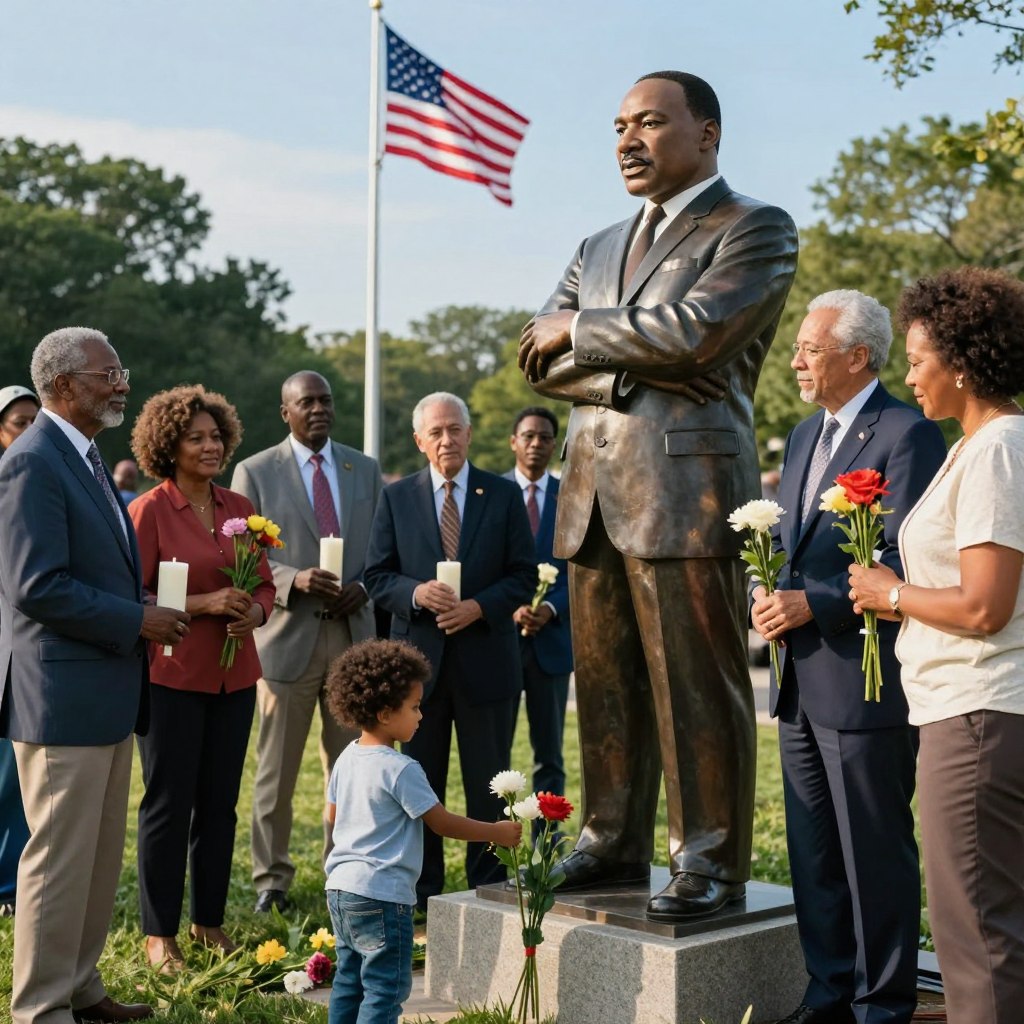
Every third Monday in January, the U.S. honors a key figure in the civil rights movement. This is a federal holiday.
This day celebrates Martin Luther King Jr.‘s legacy and the progress towards racial equality. Events and activities are held across the country to honor him and carry on his work.
As we remember King’s contributions, it’s a chance to reaffirm our commitment to his principles.
Key Takeaways
- Martin Luther King Jr. Day is observed on the third Monday of January.
- It’s a federal holiday in the United States.
- The day commemorates King’s life and achievements.
- Various events are held across the country to honor his legacy.
- It’s an opportunity to reflect on progress towards racial equality.
What is Martin Luther King Jr. Day?
In the United States, we celebrate Martin Luther King Jr. Day on the third Monday of January. This day honors the life of a civil rights icon. It’s not just a day off; it’s a time to think about Martin Luther King Jr.’s impact on the civil rights movement.
History and Significance
Martin Luther King Jr. Day started as a way to recognize King’s influence on American society. His push for nonviolent civil disobedience helped pass key laws like the Civil Rights Act of 1964 and the Voting Rights Act of 1965. The holiday reminds us of the progress towards King’s dream of equality.
This day is more than just remembering King’s achievements. It also shows how his message is still important today. As a civil rights leader, King’s work inspires many to fight for justice and equality.
Date of Observance
Martin Luther King Jr. Day is celebrated every year on the third Monday of January. This date is between January 15 and January 21. It was chosen to honor King’s birthday and give Americans a long weekend.
The same date every year makes it easier to plan events. These can range from service projects to educational programs. They all aim to honor King’s legacy and promote his ideals.
The Legacy of Martin Luther King Jr.
Martin Luther King Jr. was a key figure in the civil rights movement. His leadership and vision still inspire us today. He left a lasting impact on American history.
Key Achievements
Martin Luther King Jr. was dedicated to nonviolent resistance. His achievements show his strong commitment. Some of his most important work includes:
- Leading the Montgomery Bus Boycott, a crucial moment in the civil rights movement.
- Organizing the Birmingham Campaign, which exposed racial injustices in the city.
- Helping pass the Civil Rights Act of 1964.
Influential Speeches
Martin Luther King Jr. was known for his powerful speeches. His famous “I Have a Dream” speech still motivates people worldwide.
“I have a dream that one day this nation will rise up and live out the true meaning of its creed: ‘We hold these truths to be self-evident, that all men are created equal.'” – Martin Luther King Jr.
King’s martin luther king quotes and martin luther king speeches continue to inspire us. They motivate us to fight for justice and equality.
Martin Luther King Jr.’s legacy reminds us of the power of nonviolent resistance. It shows us the importance of striving for a fairer society.
The Civil Rights Movement
The civil rights movement was a key time in American history. It aimed to fix deep racial issues. This fight lasted for years, with big events, important people, and laws that still affect us today.
Overview and Historical Context
In the mid-20th century, the civil rights movement grew. It wanted to end segregation, get voting rights, and fight racial bias. Martin Luther King Jr. was a major leader, pushing for peaceful protests. This movement was rooted in African American history, showing centuries of fighting against unfair treatment.
Key Events and Milestones
Many important events and milestones show the civil rights movement’s growth. The Montgomery Bus Boycott was a big win, starting with Rosa Parks’ stand. The March on Washington in 1963, with Martin Luther King Jr.’s “I Have a Dream” speech, caught the nation’s eye. The Selma to Montgomery Marches helped pass the Voting Rights Act of 1965.
For more on Martin Luther King Jr. Day, check out the National Museum of African American History and Culture.
The movement led to big law changes, like the Civil Rights Act of 1964. These steps were crucial in highlighting the movement’s goals and moving towards racial equality.
Observance Across the United States
In America, people celebrate Martin Luther King Jr. Day with events that honor his dream of unity and equality. This holiday is a day of service, reflection, and joy. It celebrates the life and legacy of Martin Luther King Jr.
National Celebrations
National events include parades, service projects, and ceremonies. These activities aim to keep King’s legacy alive by striving for a fairer society.
Some key national events are:
- The Martin Luther King Jr. Day of Service, which encourages volunteering in communities.
- Parades and marches in big cities, echoing the civil rights marches of the past.
- Commemorative events at places like the Martin Luther King Jr. National Historical Park in Atlanta.
Local Activities and Events
Local communities also hold their own events, showing the diversity and creativity of MLK Day. These can include:
- Volunteer service days, where groups come together to help.
- Educational programs teaching about King’s life and the civil rights movement.
- Cultural celebrations showcasing African American culture’s impact on American society.
| City | Event Type | Description |
|---|---|---|
| Atlanta, GA | Commemorative Service | A service at the Martin Luther King Jr. National Historical Park. |
| New York, NY | Parade and Rally | A march through Harlem ending in a rally at a landmark. |
| Los Angeles, CA | Day of Service | A day of volunteer projects across the city. |
These events, both national and local, keep King’s message alive. They inspire a new generation to work towards a fairer society.
Educational Initiatives
Martin Luther King Jr. Day is a chance for teachers to teach students about the civil rights movement. They learn about King’s important role in it. This day helps students understand American history and the fight for racial equality.
Importance of Teaching About MLK
Teaching about Martin Luther King Jr. is key for many reasons. It gives students a clear view of the civil rights movement. It also makes them think about how far we’ve come and what’s left to do.
By adding MLK Jr. biography to school lessons, teachers give students a full picture of his impact. This helps students see how he changed America.
Learning about King’s message of peace and equality can motivate students. They can start to make a difference in their communities. This can happen through discussions, projects, and service activities that show King’s values.
Resources for Educators
There are many resources for teachers to teach about Martin Luther King Jr. These include:
- Biographical materials that give deep insights into King’s life and work.
- Historical documents and archives from the civil rights movement.
- Educational programs and workshops to help students learn and reflect.
- Online tools, like lesson plans and activity guides, that fit into school curricula.
With these resources, teachers can create fun and informative lessons. These lessons cover African American history and the importance of MLK Day.
| Resource Type | Description | Benefit |
|---|---|---|
| Biographical Materials | Detailed accounts of MLK’s life | Provides historical context |
| Historical Documents | Archives of the civil rights movement | Enhances understanding of the era |
| Educational Programs | Workshops and lesson plans | Promotes engagement and reflection |
Volunteerism on MLK Day
As we celebrate Martin Luther King Jr. Day, we remember the power of community service. This day is a chance for Americans to honor King’s legacy by helping others.
Service Initiatives
The National Day of Service is a key part of MLK Day. It invites people to join in service projects that help their communities. These projects range from cleaning parks to helping at food banks.
Some notable service initiatives include:
- Renovating community centers
- Organizing food drives
- Providing educational support to local schools
Getting Involved
It’s easy to join in MLK Day service projects. You can find local opportunities through organizations and online. For example, the Modern Sales USA website shows how businesses and individuals can help together.
Here is a snapshot of volunteer opportunities on MLK Day:
| Activity | Location | Impact |
|---|---|---|
| Park Cleanup | Local Parks | Enhances community green spaces |
| Food Bank Service | Community Food Banks | Supports families in need |
| Educational Support | Local Schools | Assists students with educational resources |
By joining these service initiatives, you can make a real difference in your community. This shows the spirit of Martin Luther King Jr.’s message of service and compassion.
Reflections on Racial Equality
Martin Luther King Jr. Day is a time to look at how far we’ve come in racial equality. It’s also a chance to see what still needs to be done. King’s words still inspire us today, making us think about our society.
Current Relevance of MLK’s Message
King dreamed of a world where people are judged by their character, not their skin color. He said, “Darkness cannot drive out darkness; only light can do that. Hate cannot drive out hate; only love can do that.” His words are just as important today as they were back then.
The fight for racial equality is still ongoing. Despite big steps forward, racism and inequality still hurt many communities in the U.S.
Challenges Still Facing Society
Systemic racism is a big problem, showing up in things like economic gaps, education issues, and unfair justice. King said, “We are caught in an inescapable network of mutuality, tied in a single garment of destiny. Whatever affects one directly affects all indirectly.” This shows we must keep fighting for change.
“We are caught in an inescapable network of mutuality, tied in a single garment of destiny. Whatever affects one directly affects all indirectly.” – Martin Luther King Jr.
To tackle these issues, we need to work in many ways. This includes changing laws, getting involved in our communities, and learning more. Thinking about King’s words helps us see where we need to keep pushing for a fairer world.
Community Events and Activities
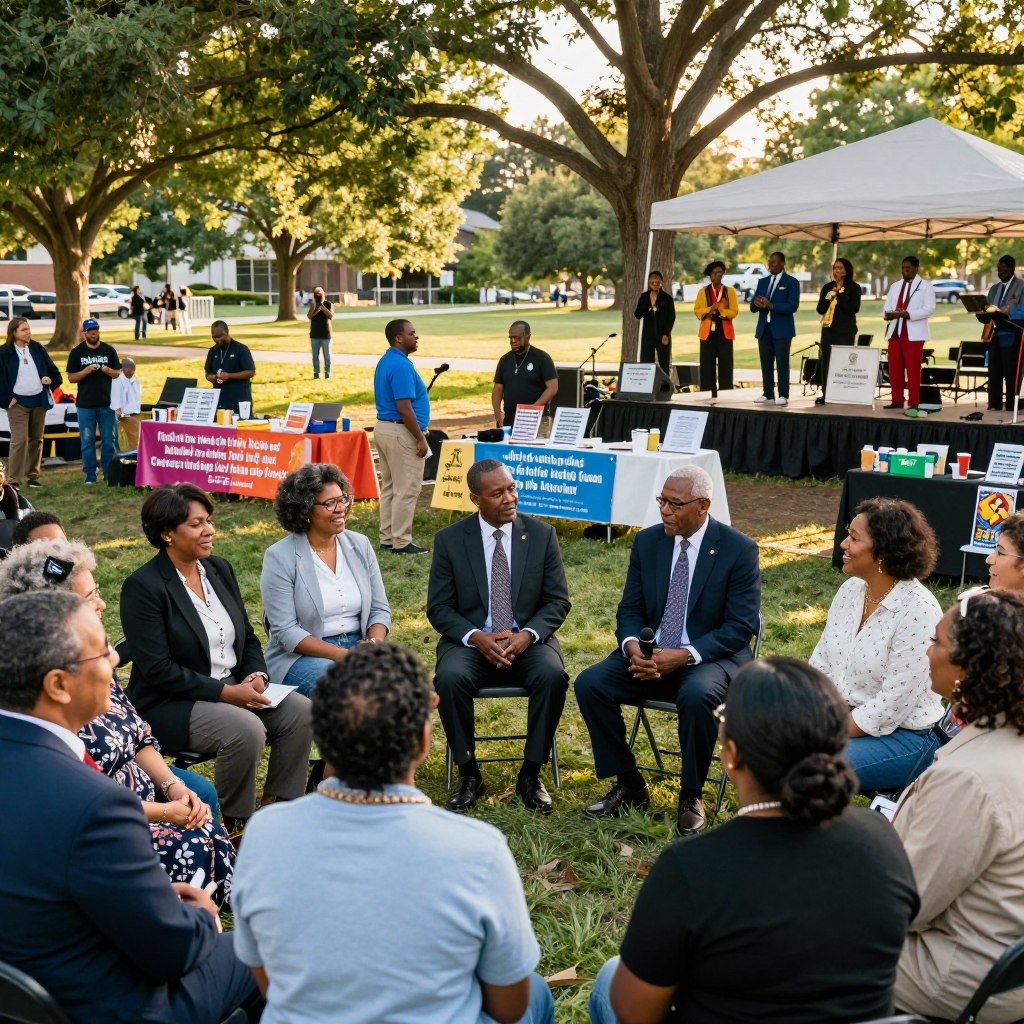
On Martin Luther King Jr. Day, communities come together for special events. These events honor King’s legacy and push for equality and justice. They remind us of the importance of unity and ongoing efforts for a fair society.
Across the U.S., people celebrate in many ways. To learn more about events and how to get involved, check out Martin Luther King Jr. Day of.
Parades and Marches
Parades and marches are big parts of MLK Day celebrations. They recall King’s marches and highlight our progress and challenges. People carry signs, showing their support for equality and unity.
Workshops and Seminars
Workshops and seminars are also key. They focus on topics like racial justice and community empowerment. These events encourage discussion and learning, aiming to build a fairer world.
These events keep King’s spirit alive. They honor his legacy and motivate us to keep working towards his dream. A dream where everyone is treated with respect and dignity.
Inspirational Quotes by Martin Luther King Jr.
Martin Luther King Jr.’s quotes are a powerful reminder of the fight for justice and equality. His words inspire people today, showing the importance of standing up for what is right.
Famous Quotes
King’s famous quotes, like “I Have a Dream” and “Darkness cannot drive out darkness; only light can do that,” are key to the civil rights movement. They inspire many to seek a world filled with love, peace, and justice.
“The ultimate measure of a man is not where he stands in moments of comfort and convenience, but where he stands at times of challenge and controversy.”
To find more of Martin Luther King Jr.’s inspiring quotes, visit this resource. It has a collection of his most impactful sayings.
Their Impact on Society
Martin Luther King Jr.’s quotes have had a huge impact on society. They have motivated many to fight against injustice and work towards a fairer world. His words still inspire today, urging people to act against racism and inequality.
| Quote | Impact |
|---|---|
| “I Have a Dream” | Inspired millions during the March on Washington, symbolizing hope for a racially integrated and harmonious America. |
| “Darkness cannot drive out darkness; only light can do that.” | Promoted nonviolent resistance, influencing civil rights activists to adopt peaceful methods in their struggle for justice. |
| “Love is the only force capable of transforming an enemy into a friend.” | Encouraged a culture of love and forgiveness, helping to heal the wounds of racial division. |
Martin Luther King Jr.’s quotes continue to inspire and guide us. They remind us of the power of love, compassion, and resilience in overcoming challenges.
Martin Luther King Jr.’s Early Life
Martin Luther King Jr. was born on January 15, 1929, in Atlanta, Georgia. His early life was shaped by important events and influences. These would later guide him as a civil rights activist.
Childhood and Education
King grew up in a society divided by race. He saw the unfairness of racial segregation firsthand. Yet, his family supported his education and the fight for justice.
He went to Morehouse College, Crozer Theological Seminary, and Boston University. There, he earned his doctoral degree. His education gave him a strong base in theology and exposed him to important social justice ideas.
Influences that Shaped His Values
Several key influences shaped King’s values and future work. His father, Martin Luther King Sr., was a minister and civil rights activist. King learned a lot from his father’s work and the civil rights movement.
- The teachings of Mahatma Gandhi on nonviolent resistance deeply influenced King’s approach to civil rights activism.
- The African American church community played a crucial role in shaping King’s values and providing a platform for his early activism.
- His experiences with racial segregation and discrimination further solidified his commitment to fighting for equality and justice.
These influences, along with his strong education, prepared King for his role in the civil rights movement. Knowing about King’s early life helps us understand how his values and activism developed.
Federal Holiday Status
After years of hard work and awareness, Martin Luther King Jr. Day became a federal holiday in 1983. President Ronald Reagan signed it into law. This move showed how much Martin Luther King Jr. was valued for his role in the civil rights movement and American society.
The Legislative Journey
The path to making Martin Luther King Jr. Day a federal holiday was long and hard. Civil rights leaders and their supporters worked tirelessly. The first bill for MLK’s birthday holiday was introduced just four days after his death in 1968.
But it took until 1983 for the bill to pass. The first MLK Day was celebrated in 1986.
Key Milestones in the Legislative Process:
| Year | Event |
|---|---|
| 1968 | First bill introduced to Congress |
| 1983 | Bill signed into law by President Ronald Reagan |
| 1986 | First observance of MLK Day |
Observance by Federal Agencies
Federal agencies close on Martin Luther King Jr. Day. It’s also a day for federal employees to help out in their communities. They do this through service projects, following in MLK’s footsteps.
By observing MLK Day, federal agencies honor King’s memory. They also remind us of the ongoing fight for equality and justice.
Global Recognition of Martin Luther King Jr. Day
Martin Luther King Jr. is celebrated worldwide for his fight for human rights. His message of nonviolence and equality has touched hearts globally. This shows how his work is still important today.
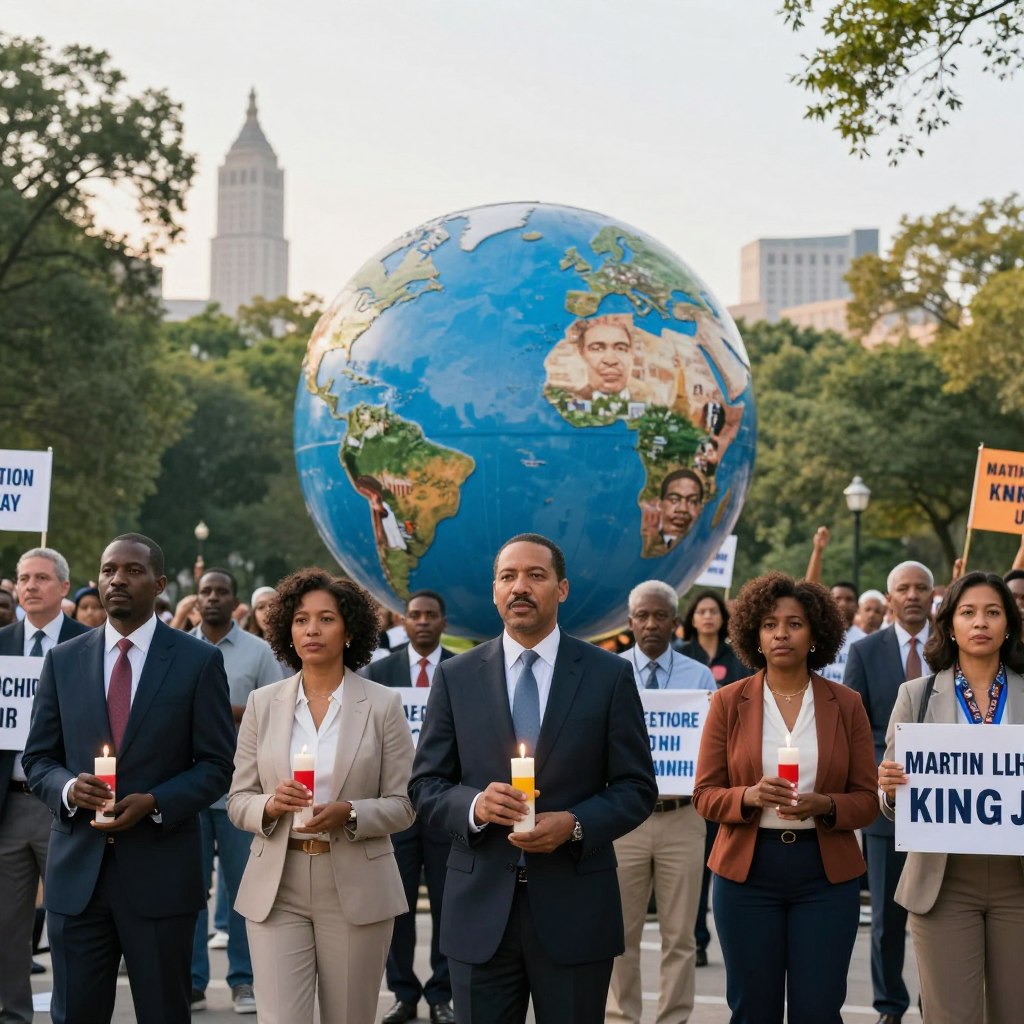
People all over the world honor Martin Luther King Jr. Day. It’s a time to think about justice and equality. Countries hold events to remember King’s legacy and push for his ideals.
International Celebration
On Martin Luther King Jr. Day, people do many things. They help their communities and learn about civil rights. These actions show King’s message is still powerful.
- Community service projects that promote social justice and equality.
- Educational events that focus on the history of civil rights and King’s role in it.
- Cultural events that celebrate the diversity and unity advocated by King.
Impact Beyond the United States
Martin Luther King Jr.’s work has inspired people worldwide. His belief in nonviolent resistance has helped civil rights movements globally. His message is still important today.
Key aspects of King’s global impact include:
- Inspiring nonviolent resistance movements worldwide.
- Influencing human rights advocacy globally.
- Promoting unity and diversity through his message of equality.
In conclusion, Martin Luther King Jr. Day is celebrated globally. It shows his lasting impact on human rights and social justice. His message is still needed today as the world faces equality and justice challenges.
Recommended Readings and Resources
For a deeper look into Martin Luther King Jr.’s life and the civil rights movement, many resources are available. These offer valuable insights into King’s legacy and its lasting impact on society.
Books on MLK and Civil Rights
Several books give detailed views into Martin Luther King Jr.’s life and the civil rights movement. Biographies and historical accounts stand out for their detailed stories. Some top picks include:
- Parting the Waters: America in the King Years 1954-63 by Taylor Branch
- Why We Can’t Wait by Martin Luther King Jr.
- At Canaan’s Edge: America in the King Years, 1965-68 by Taylor Branch
These books give a deep understanding of the historical context and King’s work. They are key for anyone wanting to explore the topic further.
Documentaries and Films
Documentaries and films also offer visual stories that show King’s life and the civil rights movement. Some notable ones include:
- Martin Luther King Jr.: A Life (documentary)
- Selma (film)
- The Montgomery Bus Boycott (documentary)
These visual resources add to the written accounts, giving a full view of Martin Luther King Jr.’s impact on American history.
By checking out these recommended readings and resources, people can understand Martin Luther King Jr.’s legacy better. They can see how it remains important today.
The Role of Martin Luther King Jr. in Modern Activism
Martin Luther King Jr.’s legacy still inspires today’s activists. They fight for justice and equality, just like he did. His belief in nonviolent resistance guides many social movements now.
Inspiring Today’s Activists
Activists today use King’s teachings to tackle many issues. This includes racial justice, economic inequality, and environmental justice. The Black Lives Matter movement is influenced by King’s nonviolent approach.
King also stressed the power of community organizing. This has inspired many social entrepreneurs and leaders. They aim to bring positive change to their communities, using new ways to solve old problems.
Movements Influenced by MLK
King’s work has also influenced movements outside civil rights. For example, the climate activism movement uses nonviolent resistance to highlight environmental needs.
King’s message of hope and unity also drives movements for economic justice and human rights. These efforts aim to tackle the inequalities King spoke about. They strive for a fairer, more just society.
In summary, Martin Luther King Jr.’s impact on today’s activism is huge. His legacy continues to motivate new activists. His dream of a just world keeps pushing for change.
Challenges to Peace and Justice Today
The quest for true peace and justice is still ongoing. Reflecting on Martin Luther King Jr.’s legacy shows us progress has been made. Yet, the fight for racial equity and justice is far from over.
Ongoing Issues in Racial Equity
Racial equity is a major issue, with systemic racism and discrimination still present. Challenges include:
- Police brutality and racial profiling
- Economic disparities and limited access to resources
- Educational inequality and achievement gaps
- Housing segregation and discriminatory practices
These issues highlight the need for ongoing advocacy and action. They echo Martin Luther King Jr.’s call for constant effort towards equality. As King said,
“The arc of the moral universe is long, but it bends towards justice.”
This quote shows the importance of never giving up in the face of challenges.
The Role of Advocacy
Advocacy is key in tackling the challenges to peace and justice. It involves raising awareness, organizing communities, and influencing policy. Effective advocacy means:
- Educating the public about the issues
- Mobilizing communities to act
- Influencing policy makers to change
Martin Luther King Jr.’s methods and message inspire advocacy today. His focus on nonviolent resistance and collective action is still powerful. By using King’s legacy, we can strive for a more just and equitable society.
Conclusion: Honoring Martin Luther King Jr.’s Legacy
On Martin Luther King Jr. Day, we look back at the progress made towards equality and justice. This day reminds us of the ongoing fight for a world where everyone is treated with dignity. It’s a call to keep working towards Martin Luther King Jr.’s dream.
The Path Forward
To keep fighting for equality, we need to keep serving, advocating, and educating. These actions help us build a fairer society. Martin Luther King Jr.’s legacy motivates us to stay dedicated to this goal.
Reflection and Progress
Celebrating King’s life means looking at our progress and the challenges ahead. We must build on what he started. Our goal is to create a world that reflects his vision of equality and justice.
FAQ
What is Martin Luther King Jr. Day?
Why is Martin Luther King Jr. Day celebrated on the third Monday of January?
What were some of Martin Luther King Jr.’s key achievements?
What is the significance of the "I Have a Dream" speech?
How is Martin Luther King Jr. Day observed across the United States?
What is the National Day of Service?
How can individuals get involved in the National Day of Service?
What is the current relevance of Martin Luther King Jr.’s message?
What are some recommended resources for learning about Martin Luther King Jr.?
How has Martin Luther King Jr.’s legacy influenced modern activism?