Crash Test Ratings: What You Need to Know
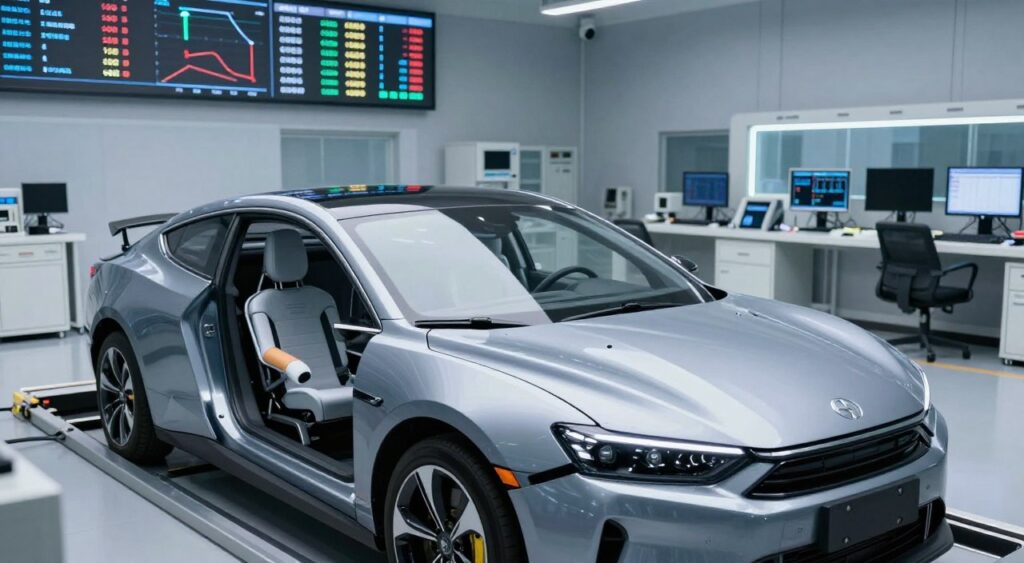
Knowing about vehicle safety ratings is key when you’re buying a car. Groups like the National Highway Traffic Safety Administration (NHTSA) and the Insurance Institute for Highway Safety (IIHS) give crash test ratings. These ratings check how well a car keeps its passengers safe in different crash situations.
Car safety ratings are important for keeping people safe and can affect insurance costs. By looking at these ratings, you can learn a lot about a car’s safety features and how it performs.
Key Takeaways
- Crash test ratings assess a vehicle’s safety features and performance.
- Ratings are provided by reputable organizations like NHTSA and IIHS.
- Understanding these ratings is key for making smart car choices.
- Vehicle safety ratings affect how safe you are and your insurance costs.
- These ratings help you understand a car’s safety features.
What Are Crash Test Ratings?
Crash test ratings show how well a car protects people in crashes. They come from tests that check a car’s safety.
Definition and Importance
These ratings are given to cars after tests by groups like the National Highway Traffic Safety Administration (NHTSA) and the Insurance Institute for Highway Safety (IIHS). They help people know if a car is safe.
NHTSA’s Five-Star Rating System looks at frontal, side, and rollover tests. IIHS does tests like small overlap front and side impact, giving ratings from Good to Poor.
How Crash Tests Are Conducted
NHTSA and IIHS use different methods but both aim to mimic real crashes. NHTSA tests include:
- Frontal crash tests
- Side crash tests
- Rollover resistance tests
IIHS tests are:
- Small overlap front tests
- Moderate overlap front tests
- Side impact tests
Knowing about these tests helps people choose a safe car. Here’s a table comparing NHTSA and IIHS methods:
| Organization | Crash Tests Conducted | Rating System |
|---|---|---|
| NHTSA | Frontal, Side, Rollover | 5-Star Rating |
| IIHS | Small Overlap Front, Moderate Overlap Front, Side Impact | Good to Poor |
By looking at both NHTSA and IIHS tests, people can really understand a car’s safety.
The Organizations Behind Crash Test Ratings
Two major groups are key in crash test ratings: the National Highway Traffic Safety Administration (NHTSA) and the Insurance Institute for Highway Safety (IIHS).
The NHTSA and IIHS are vital in checking vehicle safety. NHTSA is a federal agency that makes and enforces safety rules. IIHS, on the other hand, is a nonprofit that tests vehicles to make them safer.
National Highway Traffic Safety Administration (NHTSA)
The NHTSA sets and enforces safety rules for vehicles in the U.S. They also do crash tests to check vehicle safety.
NHTSA’s Crash Test Ratings: NHTSA uses a 5-star rating system. This helps people find top rated vehicles and safest cars.
Insurance Institute for Highway Safety (IIHS)
IIHS is famous for its tough testing. They check how well vehicles handle crashes and have car safety features.
IIHS Ratings: IIHS rates vehicles from Good to Poor. This is based on how they do in crash tests.

Both NHTSA and IIHS give important info on vehicle safety. This helps people make smart choices when buying a car.
| Vehicle | NHTSA Rating | IIHS Rating |
|---|---|---|
| Honda Civic | 5 Stars | Good |
| Toyota Camry | 5 Stars | Good |
| Subaru Outback | 5 Stars | Good |
How to Interpret Crash Test Ratings
Crash test ratings are key when buying a vehicle. They help you see how safe a car is. These ratings show how well a car protects people in crashes.
Star Ratings Explained
The National Highway Traffic Safety Administration (NHTSA) uses stars to rate car safety. Stars are based on crash tests. A 5-star rating means a car is very safe, while a 1-star rating means it’s not.
NHTSA’s star rating system is as follows:
| Rating | Description |
|---|---|
| 5-star | High level of safety |
| 4-star | Above average safety |
| 3-star | Average safety |
| 2-star | Below average safety |
| 1-star | Low level of safety |
“A 5-star safety rating means a car is very good at protecting people in crashes,” says NHTSA. This system helps you compare car safety easily.
The Significance of IIHS Ratings
The Insurance Institute for Highway Safety (IIHS) also tests car safety. IIHS ratings are more detailed than NHTSA’s. They look at how well a car does in crash tests and its safety features.
IIHS tests include small and moderate overlap front tests, side impact tests, roof strength tests, and head restraints and seats tests. A good score in all these tests means a car is very safe.
“IIHS ratings give a full safety check, including crash tests and safety features.”

When comparing cars, look at both NHTSA and IIHS ratings. This helps you choose a safe car. Crash test ratings are important for making smart car choices.
Factors Affecting Crash Test Ratings
Knowing what affects crash test ratings is key for car makers and buyers. Crash test ratings come from careful checks of many car features.
Vehicle Design and Structure
The design and build of a car greatly affect its crash test scores. Things like crumple zones help absorb crash impacts, lessening harm to people inside. The car’s structural integrity is also vital, as it helps keep people safe during crashes.
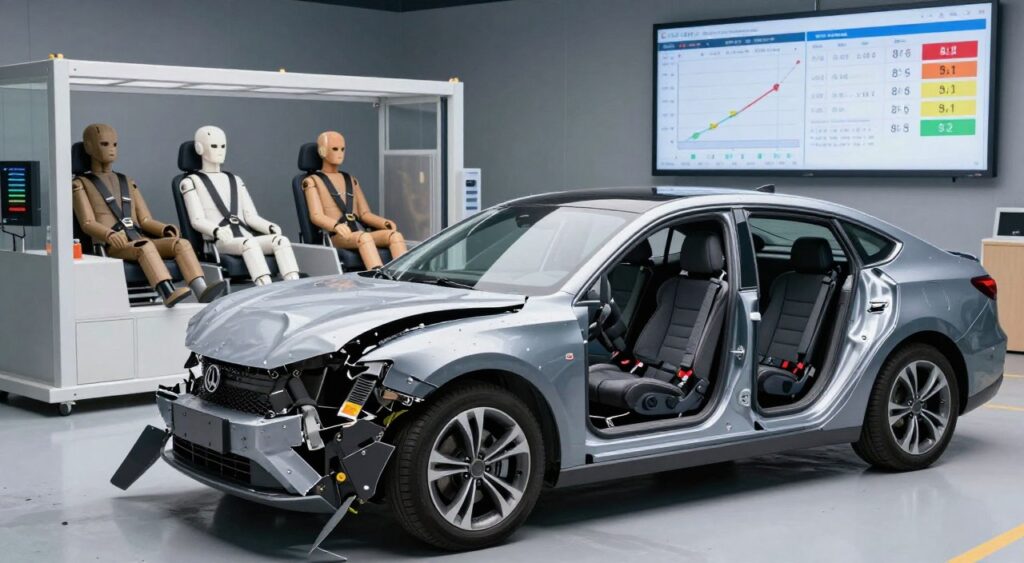
A car designed well will keep its shape during a crash, lowering injury risks. The materials and design of the car play big roles in how it does in crash tests.
Safety Features and Technology
Today’s cars come with many safety features and tech. Things like automatic emergency braking and lane departure warning systems make cars safer. These techs can stop accidents or make them less severe, which boosts a car’s crash test scores.
Having many airbags, like side and curtain airbags, also raises a car’s safety rating. These airbags offer extra protection in crashes, cutting down injury or death risks.
Also, more cars now have advanced driver-assistance systems (ADAS). These include features like adaptive cruise control and automatic emergency braking. They not only make driving safer but also help a car do better in crash tests.
The Impact of Crash Test Ratings on Consumers
More and more people are using crash test ratings to pick the right car. These ratings are key because they show how safe a car is.
Making Informed Vehicle Purchases
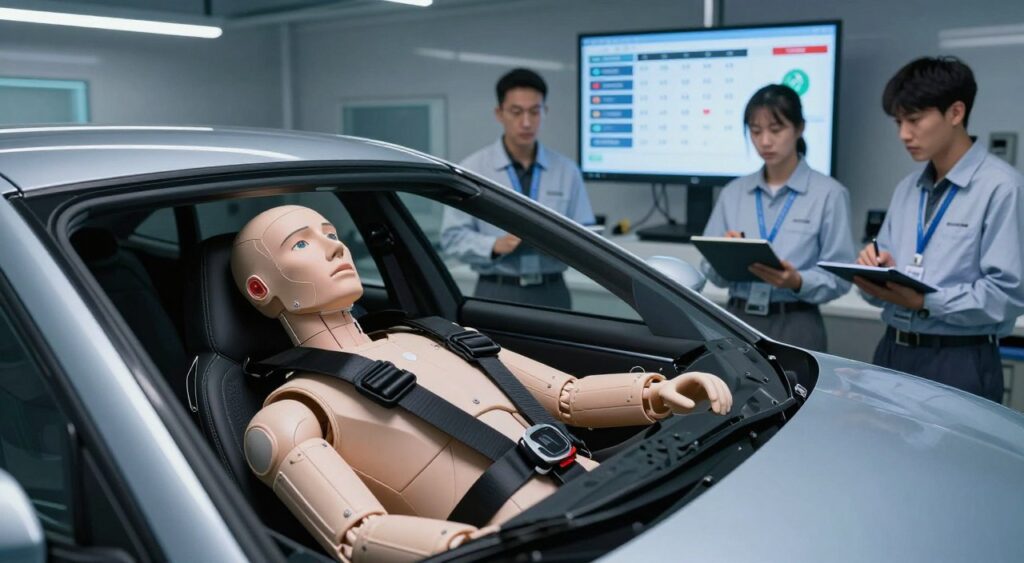
When looking for a new car, people check crash test scores. They want a car that’s safe for everyone inside. Cars that score well in safety tests often have the latest safety tech.
Key considerations for consumers include:
- The overall star rating of the vehicle
- Specific crash test performance, such as frontal and side impact tests
- Advanced safety features like automatic emergency braking and lane departure warning
By looking at these things, buyers can make better choices.
Influence on Insurance Rates
Crash test ratings also affect how much you pay for insurance. Cars that get high safety ratings often cost less to insure. Insurers see these cars as safer.
For example, a car with a 5-star safety rating might cost less to insure than one with a lower rating. This can save a lot of money over time.
The list below shows why choosing safe cars is smart:
- Lower insurance premiums
- More safety features
- Better safety overall
As people care more about safety, they’ll want cars that do well in crash tests even more.
Popular Vehicles with High Crash Test Ratings
Safety is a big deal for car buyers. Some vehicles have really shown they care about safety. They give drivers peace of mind and set high safety standards.

Compact Cars
Compact cars are loved for being fuel-efficient and easy to drive. Some models really shine in safety tests. The Honda Civic and Toyota Prius are top picks, thanks to their safety ratings.
The Honda Civic is known for its strong build and safety features. It’s one of the safest in its class. The Toyota Prius, with its hybrid tech, also scores high in safety. It has lots of safety features and a solid design.
SUVs and Trucks
SUVs and trucks are popular for their versatility and power. Many models have done well in crash tests, giving buyers safe choices. The Toyota Tundra and Honda Ridgeline are among the safest.
The Toyota Tundra is built tough and has advanced safety features. It gets high vehicle safety ratings. The Honda Ridgeline is known for its design and safety features. It’s a safe pick in the truck world.
The car industry keeps getting safer. If you want a safe car, look at these models. They’ve been tested and proven to be safe.
Recent Trends in Crash Test Ratings
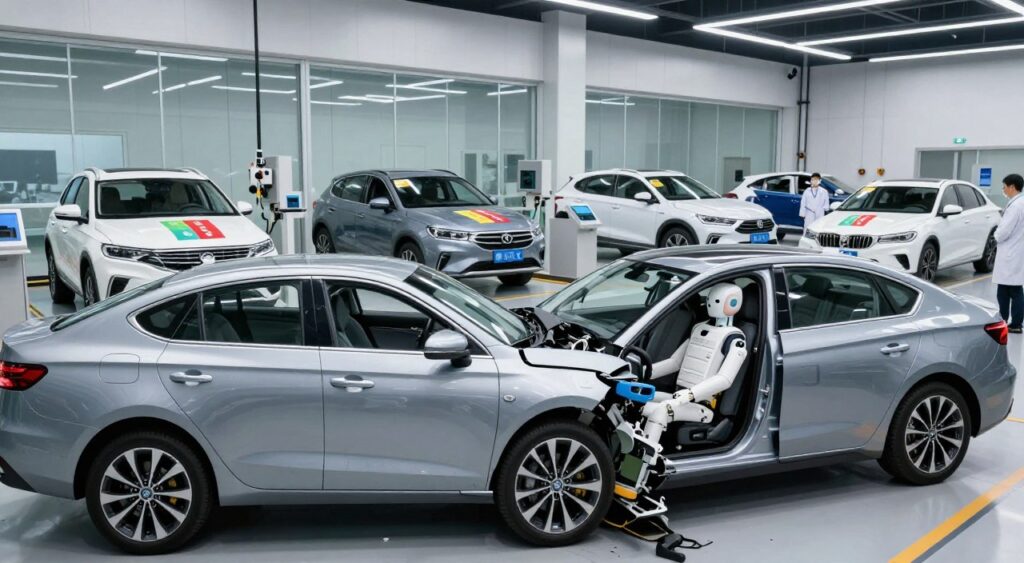
The world of car safety is changing fast. Crash test ratings show how new tech and what people want are making cars safer. Cars are getting smarter, which means they’re safer too.
Advances in Safety Technology
New safety tech is making cars safer. Features like automatic emergency braking, lane departure warning, and blind-spot monitoring are now common. These help prevent accidents and make driving safer.
Advanced Driver-Assistance Systems (ADAS) are making a big difference. ADAS includes many safety features. It helps drivers stay safe and avoid accidents.
Changes in Consumer Preferences
People are now looking for safer cars. Safety is a big deal when buying a car. This means car makers are focusing more on safety.
More people want cars with the latest safety tech. Car makers are adding more safety features. They also talk more about these features to attract buyers who care about safety.
- Consumers are prioritizing safety when making vehicle purchases.
- Manufacturers are responding by incorporating more advanced safety features.
- The demand for vehicles with high safety ratings is on the rise.
As cars keep getting better, safety ratings will keep being important. Knowing what affects these ratings helps buyers choose the safest cars.
How to Access Crash Test Ratings
Crash test ratings are easy to find through many sources. This makes it simple for people to choose a safe vehicle. In today’s world, getting this info is super easy.
Online Resources
The National Highway Traffic Safety Administration (NHTSA) and the Insurance Institute for Highway Safety (IIHS) are top sources. They give detailed safety ratings for vehicles.
The NHTSA website has star ratings and safety scores for many cars. The IIHS website gives Top Safety Pick+ ratings to the safest cars.
| Organization | Type of Rating | Website |
|---|---|---|
| NHTSA | Star Ratings | https://www.nhtsa.gov/ |
| IIHS | Top Safety Pick+ | https://www.iihs.org/ |
Manufacturer Websites
Many car makers also share safety ratings on their websites. This lets buyers check safety info directly from the car’s maker.
For example, you can check a car’s safety on the maker’s website. You’ll find crash test results and safety features there.

Using these online tools helps buyers choose a safe car. This ensures they pick a model with a good safety record.
The Future of Crash Test Ratings
The world of vehicle safety is changing fast. This is thanks to new tech and updates in rules. Crash test ratings will keep being key in keeping people safe.
Emerging Technologies
Self-driving cars and smart driving aids are changing the car world. These new features will likely change how we rate car safety. The NHTSA and IIHS will have to update their tests to keep up.
Regulatory Changes
New rules could also change how we rate car safety. As laws get stricter, cars will need to meet these standards. This might mean cars will be safer, but ratings could change too.
As cars keep getting smarter, knowing about safety ratings is more important than ever. Understanding what makes a car safe helps us choose better. It also pushes car makers to make safer cars.
FAQ
What is the purpose of crash test ratings?
Which organizations conduct crash tests and provide safety ratings?
How do NHTSA and IIHS differ in their rating systems?
What factors influence a vehicle’s crash test ratings?
How do crash test ratings affect insurance rates?
Where can I find crash test ratings for specific vehicles?
How are crash test ratings likely to evolve in the future?
What are some examples of vehicles with high crash test ratings?
How do advances in safety technology impact crash test ratings?