Self-Diagnosis: What You Need to Know
The rise of self-diagnosis culture has been greatly influenced by social media. People use online content to match their symptoms and guess their diagnosis. This is done without getting a professional’s opinion.
This trend has raised concerns about the accuracy and reliability of self-check health resources. It’s important to understand the implications of self-diagnosis.
With easy access to online information, people are taking more control of their health. But this also brings up questions about the risks and benefits of self-diagnosis.
Key Takeaways
- Understanding the concept of self-diagnosis and its increasing prevalence.
- The role of social media in shaping self-diagnosis culture.
- The importance of evaluating the accuracy of online health resources.
- Potential risks and benefits associated with self-diagnosis.
- Guidelines for responsible self-diagnosis practices.
Understanding Self-Diagnosis
Self-diagnosis is when people figure out their health issues on their own. This is because it’s easy to find health info online. Also, more people want to take care of their health themselves.
What is Self-Diagnosis?
Self-diagnosis means guessing what’s wrong without a doctor’s help. People use online health assessments and self-assessment tools found on health websites and apps.
They look up symptoms online, compare them to possible health issues, and sometimes use apps for self-diagnosis. While these tools are helpful, they can’t replace a doctor’s diagnosis.
Common Reasons for Self-Diagnosing
There are many reasons why people do self-diagnosis. Some include:
- Social media makes some health issues seem popular or trendy.
- People might guess what’s wrong based on little info or not fully understanding health issues.
- Some folks can’t stand not knowing and look for quick answers online.
A health expert says, “The internet makes it easy for people to learn about health. But, it’s important to also get advice from doctors to avoid wrong diagnoses.”
“The internet is a double-edged sword; it provides a wealth of information but also misinformation. It’s essential to navigate it wisely.”
It’s key to understand why people self-diagnose. This helps us teach them how to use these methods safely and wisely.
The Risks of Self-Diagnosis
Self-diagnosis might seem easy, but it’s risky for your health. Easy access to online info can make people think they know more than they do. This can lead to wrong guesses about their health.
Misinterpretation of Symptoms
One big risk is getting symptoms wrong. Online tools and forums can give bad advice. For example, a simple cold might be thought of as something more serious like the flu or COVID-19.
Common Misinterpretations:
- Thinking stress or tiredness is a serious mental health issue
- Mixing up symptoms of common illnesses with those of rare ones
- Not seeing how complex some health problems are
| Symptom | Possible Misinterpretation | Correct Diagnosis |
|---|---|---|
| Headaches | Migraine or sinus issues | Stress or tension headache |
| Fatigue | Chronic Fatigue Syndrome | Anemia or Vitamin Deficiency |
| Skin Rash | Allergic Reaction | Eczema or Psoriasis |
Mental Health Implications
Self-diagnosis can also hurt your mental health. It’s called “cyberchondria” when looking up health info online makes you anxious. This can make you worry you have a serious problem even if you don’t.
Cyberchondria is a big worry because it can make mental health problems worse. Being always worried about health online is not good. It’s important to be careful with health info online.

To avoid these problems, it’s key to know when to ask for help from doctors. They can give the right diagnosis and treatment plan.
When is Self-Diagnosis Helpful?
Knowing when to use self-diagnosis can greatly help your health. It’s a first step in finding health problems. It makes people more involved in their health care.
Recognizing Patterns
Self-diagnosis is great for spotting patterns in your health. By watching your symptoms and health changes, you can find issues early. This helps catch problems before they get worse.
Health experts say, “Finding health patterns early can lead to better health outcomes.”
“The ability to recognize health patterns is key in preventive care.”
This way of thinking helps people make better health choices.
Proactive Health Management
Self-diagnosis also helps with proactive health management. Being aware of your health leads to better habits. It also means you’ll see a doctor when you need to.
For example, using self-diagnosing software or symptom checkers can show you health concerns. But, always check these findings with a doctor to be sure.
In summary, self-diagnosis is not a full replacement for a doctor’s diagnosis. But, it’s useful when used right. It helps people notice health patterns and manage their health better. This way, they can be more involved and informed in their health care.
Tools for Self-Diagnosis
In today’s digital world, many tools help with self-diagnosis. You can find symptom checkers, health apps, online communities, and more. They all aim to give you more control over your health.
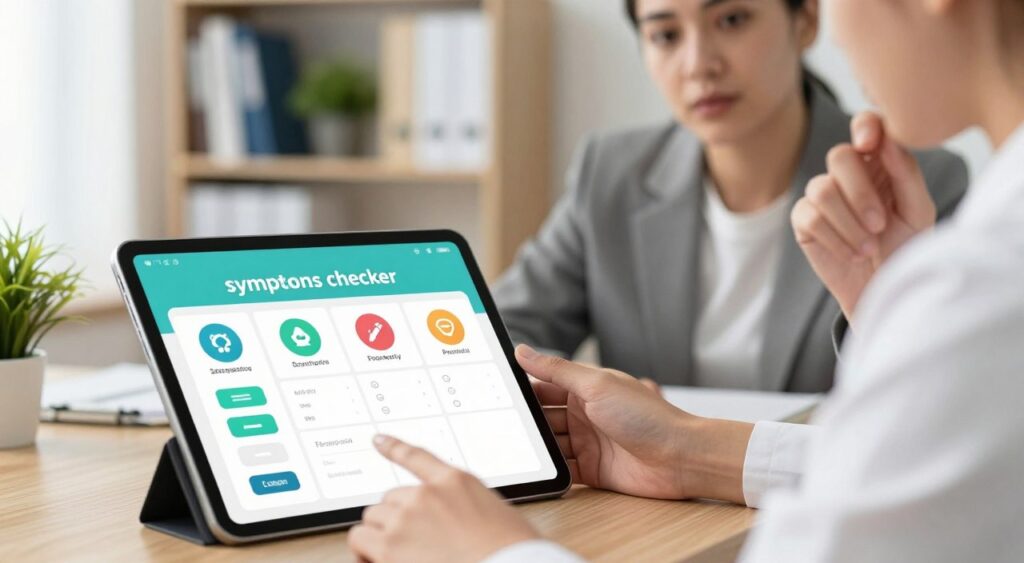
Symptom Checkers and Apps
Symptom checkers and health apps are getting more popular. They let you enter your symptoms and get possible diagnoses or advice. Many of these apps work with doctors, making them reliable.
But, it’s important to know their limits. While they offer useful info, they can’t replace a doctor’s diagnosis. The accuracy of symptom checkers can vary. They might not cover all health issues.
Online Communities and Resources
Online communities and resources are also helpful for self-diagnosis. Forums, health blogs, and social media groups offer support and info. These platforms let users share experiences and advice, creating a community feeling.
But, there are downsides too. The info shared might not always be correct or current. It’s key to check the credibility of sources.
To use these tools well, know their limits. Always add professional medical advice to your self-diagnosis. This way, you can make better health decisions.
The Importance of Professional Diagnosis
Self-diagnosis can be a good start, but it has its limits. Getting a professional medical opinion is key for a correct diagnosis and treatment. Doctors have the knowledge and context to avoid mistakes in diagnosis.
Why You Should Consult a Doctor
Doctors are trained to diagnose conditions accurately. They do a detailed check-up, think about different possible diagnoses, and might order tests. This way, patients get the right diagnosis and treatment plan.
Symptom checkers and online tools can sometimes give wrong information. But doctors look at symptoms in the light of your health, past, and lifestyle.
Understanding Medical Expertise
Doctors have a lot of education and training. They know how to diagnose and treat many conditions. They keep up with new research and use guidelines to care for patients.
| Aspect | Self-Diagnosis | Professional Diagnosis |
|---|---|---|
| Accuracy | Limited by individual knowledge and access to information | High, due to professional training and experience |
| Comprehensive Evaluation | Often lacks thoroughness, may overlook critical factors | Includes thorough examination, medical history, and diagnostic tests |
| Contextual Understanding | Limited to the individual’s understanding of their symptoms | Considers the patient’s overall health, lifestyle, and medical history |
In conclusion, while starting with self-diagnosis is helpful, it’s not enough. Doctors’ expertise and detailed evaluation are vital for accurate diagnoses and effective treatments.
Navigating the Fine Line
Finding the right balance between self-diagnosis and professional medical advice is key for good health. Today, we have more access to health info online. This lets us take a bigger role in our health care.
Balancing Self-Research and Professional Advice
Self-research can help spot health issues early. But, it can’t replace a doctor’s diagnosis. Use online health checks as a starting point, not the final word. Mixing self-research with doctor advice helps us make better health choices.
Symptom checkers and health apps give first insights into symptoms. But, a doctor is needed for a real diagnosis and treatment plan. This team effort makes sure we get the best care.
| Benefits of Balancing Self-Research and Professional Advice | Potential Risks of Not Balancing |
|---|---|
| More informed health decisions | Misdiagnosis or delayed diagnosis |
| Active patient participation in healthcare | Inappropriate self-treatment |
| Enhanced patient-provider communication | Unnecessary anxiety or worry |
The Role of Patients in Their Healthcare
Patients are key in their health care by being proactive and informed. By using online health tools and talking to doctors, we can manage our health. This active role builds a strong partnership with our doctors.
Good teamwork between patients and doctors means sharing info, asking questions, and understanding treatment. This partnership is essential for better health results.
In summary, finding the right balance between self-diagnosis and doctor advice is important. By knowing the good and bad of self-research and working with doctors, we can make smart health choices.
Self-Diagnosis in Mental Health
Mental health awareness is growing, leading to more self-diagnosis. This practice has both benefits and drawbacks. It involves people identifying their mental health issues based on symptoms and online info.

Common Mental Health Conditions
Mental health covers many conditions, like depression, anxiety disorders, and bipolar disorder. These can greatly affect a person’s life, making it key to get a correct diagnosis.
Depression is marked by constant sadness and losing interest in things. Anxiety disorders cause too much fear and anxiety, making daily tasks hard.
Resources for Mental Health Awareness
It’s important to have reliable resources for self-assessment and awareness. Online symptom checkers and mental health apps can offer a starting point. But, it’s critical to check if these sources are trustworthy.
Groups like Mental Health America and NIMH (National Institute of Mental Health) provide reliable info and resources. They help people understand mental health conditions.
Using credible sources can help people grasp their mental health better. It also helps them make informed choices about getting professional help.
Real-Life Stories of Self-Diagnosis
Real-life stories about self-diagnosis show a mix of outcomes. People are using digital tools to check their health first. This can lead to both good and bad results.

Personal Experiences with Misdiagnosis
Many have shared how self-diagnosis apps gave them wrong answers. For example, someone might think they have a headache and get a wrong diagnosis. This shows why we need to know what self-diagnosis tools can and can’t do.
One person was worried they had a serious illness after a symptom checker said so. But a doctor later found it was much less serious. This story reminds us to always check with doctors before worrying.
Success Stories: Getting It Right
But there are also stories where self-diagnosis helped find problems early. For instance, someone might use an app to spot symptoms of a disease. Then, a doctor confirms it. This can lead to quick treatment and better health.
Another person used a self-diagnosis tool and got help for a condition early. These stories show how self-diagnosis can be helpful when done right.
In summary, stories of self-diagnosis show both good and bad results. They remind us to use self-diagnosis tools wisely and always check with doctors.
Alternatives to Self-Diagnosis
Looking for more than just self-diagnosis? Professional guidance and team-based healthcare can give you a deeper look at your health. Self-diagnosis is a good start, but it has its limits. It’s important to know the benefits of other ways to understand your health.
Seeking Professional Guidance
Going to see a doctor is a clear alternative to self-diagnosis. Doctors have years of training and experience. They can give you a more accurate health check. Professional guidance is key for serious or complex symptoms that need careful testing.
“The art of medicine is long to learn, and life is short.” – Hippocrates
Getting a professional diagnosis means a full check-up. This includes looking at your medical history, doing a physical exam, and running tests. This detailed approach helps find the real cause of your symptoms and sets up the right treatment plan.
Collaborative Healthcare Models
Collaborative healthcare is all about putting patients first. It’s about working together with healthcare providers. This way, patients get more involved and get advice that fits them better.
| Benefits | Collaborative Care | Traditional Care |
|---|---|---|
| Patient Engagement | High | Variable |
| Personalized Treatment | Yes | Sometimes |
| Healthcare Provider-Patient Interaction | Frequent | Limited |
Collaborative care empowers patients by teaching them and involving them in decisions. This not only improves health but also makes patients happier with their care.
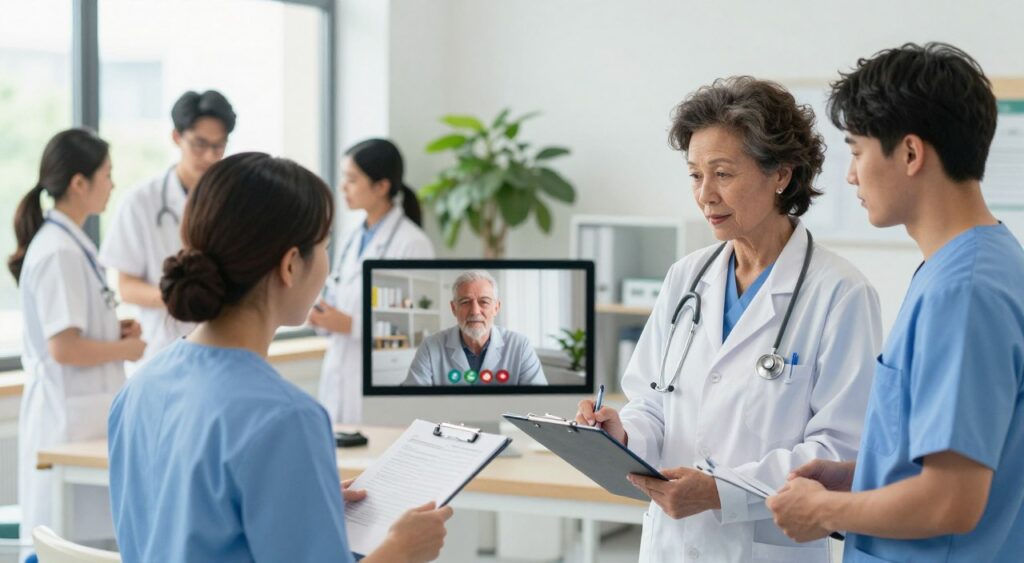
In summary, while self-diagnosis is useful, seeking professional help and team-based care are better ways to understand and manage your health. Using self-assessment tools and self-diagnosis guidelines can help you get ready for a detailed online health assessment or a face-to-face check-up.
Conclusion: Finding the Right Balance
Managing your health well means knowing when to check yourself and when to see a doctor. Using health resources and being proactive helps you make smart choices about your health.
Empowering Informed Decisions
Doing your own health checks can be helpful. It lets you spot patterns and symptoms early. But, it’s important to know when you need a doctor’s help.
Practical Steps for Healthier Choices
To choose healthier options, mix self-checks with doctor visits. Use good symptom checkers and apps, talk to doctors, and learn about your health. This way, you can handle healthcare’s challenges better.
FAQ
What is self-diagnosis, and how does it work?
Why do people resort to self-diagnosis, and what are the common reasons behind it?
What are the potentials risks associated with self-diagnosis, and how can it impact mental health?
Can self-diagnosis be beneficial in certain situations, and if so, how?
What are the available tools for self-diagnosis, and how can they be used effectively?
Why is it essential to consult a healthcare professional for an accurate diagnosis?
How can individuals balance personal research with professional medical advice?
What is the role of self-diagnosis in mental health, and how can individuals access credible resources?
What are some alternatives to self-diagnosis, and how can individuals benefit from professional guidance?

You Might Also Like