Electric Vehicles: Powering the Future
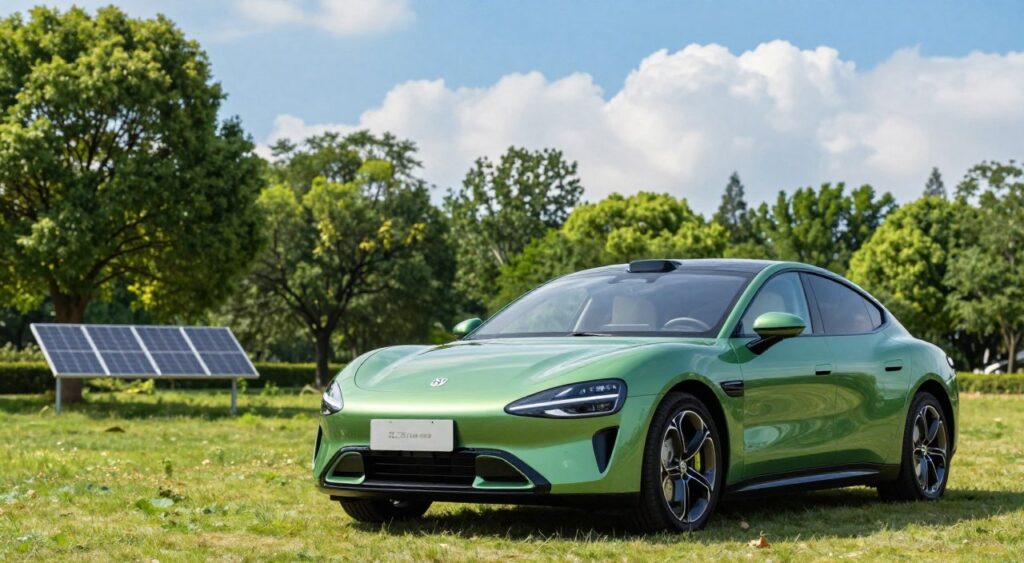
The world is moving towards sustainable transportation, with eco-friendly cars leading the way. Despite some hurdles, people are really interested in these cars.
Many car makers are putting a lot of money into Electric vehicle tech. This means a bright future for green cars.
Key Takeaways
- The demand for eco-friendly cars is on the rise.
- Significant investments are being made in Electric vehicle technology.
- Sustainable transportation is becoming increasingly important.
- Consumer interest remains high despite industry challenges.
- The future of transportation is expected to be more eco-friendly.
What Are Electric Vehicles?
Electric vehicles are changing the car world. They use electric motors and batteries, making them cleaner than gas cars.
Definition and Types of Electric Vehicles
There are three main types of electric vehicles. Battery Electric Vehicles (BEVs) run only on batteries. Hybrid Electric Vehicles (HEVs) use both electric and gas power. Plug-in Hybrid Electric Vehicles (PHEVs) are a mix, with a battery that can be charged.
BEVs have no gas engine. HEVs use both electric and gas for better fuel use. PHEVs can go far on electric before switching to hybrid mode.
| Type of EV | Power Source | Environmental Impact |
|---|---|---|
| Battery Electric Vehicle (BEV) | Electricity | Zero tailpipe emissions |
| Hybrid Electric Vehicle (HEV) | Electricity + Gasoline | Reduced emissions compared to traditional gasoline vehicles |
| Plug-in Hybrid Electric Vehicle (PHEV) | Electricity + Gasoline | Lower emissions, can run on electricity alone for a certain distance |
How Electric Vehicles Work
Electric vehicles use a battery to power an electric motor. This motor moves the car. The battery gets charged from an outside power source.
The main parts of an electric vehicle are the battery, electric motor, and charging system. The battery holds the electricity. The electric motor turns this electricity into movement. The charging system lets the battery get charged again.
Benefits of Electric Vehicles
Electric vehicles are becoming more popular as we move towards greener transportation. They have many benefits, like being good for the environment and saving money. They also perform well, making them a great choice for many drivers.
Environmental Impact
Electric vehicles are good for the planet. They don’t have tailpipe emissions, which means less pollution. The U.S. Environmental Protection Agency says cars are a big source of pollution. By using an electric car, you can help reduce that.
“Electric vehicles are a key step towards a cleaner future, a better choice than traditional cars.”
Studies show electric cars are better for the environment than gas cars. Here’s a quick look at the difference:
| Vehicle Type | Emissions (g/mi) |
|---|---|
| Electric Vehicle | 0 |
| Gasoline-Powered Vehicle | 404 |
Cost Savings Over Time
Electric cars save money over time. They cost less to run and need less maintenance. The Department of Energy says they’re cheaper to charge than gas cars.
Here’s how they compare:
| Cost Category | Electric Vehicle | Gasoline-Powered Vehicle |
|---|---|---|
| Fuel Cost (per 100 miles) | $3-$5 | $12-$15 |
| Maintenance Cost (annual) | $300-$500 | $500-$1,000 |
Performance Advantages
Electric cars have instant torque and quick acceleration. They feel fast and agile, unlike gas cars.
In summary, electric cars are good for the planet, save money, and are fun to drive. They’re a smart choice for anyone looking for a green and efficient car.
Challenges Facing Electric Vehicles
Electric vehicles face many challenges that slow their adoption. Despite growing demand for green transport, several hurdles must be overcome. This is essential for the electric vehicle (EV) market to grow.
Limited Charging Infrastructure
One big challenge is the lack of charging spots, mainly in rural areas. Without a wide network of charging stations, long trips become hard. This scares off many buyers.
- Insufficient public charging stations
- Limited fast-charging options
- Rural areas with little to no charging infrastructure
Expanding charging infrastructure is key. It helps reduce range anxiety and makes electric cars more attractive to more people.

Battery Life and Range Anxiety
Battery life and range anxiety worry electric car owners. The fear of running out of charge before finding a station is common.
“Range anxiety is one of the biggest concerns for consumers considering an electric vehicle. It’s not just about the range itself, but the availability of charging infrastructure.”
Improvements in battery tech are easing range anxiety. They let electric cars travel further on one charge.
Initial Purchase Cost
Electric cars are pricier at first than traditional cars. This high cost is a big hurdle, even though they save money in the long run.
- Higher purchase price compared to traditional vehicles
- Long-term savings on fuel and maintenance
- Government incentives can help offset initial costs
As tech gets better and production grows, electric car prices will drop. This will make them more competitive in the market.
The Evolution of Electric Vehicles
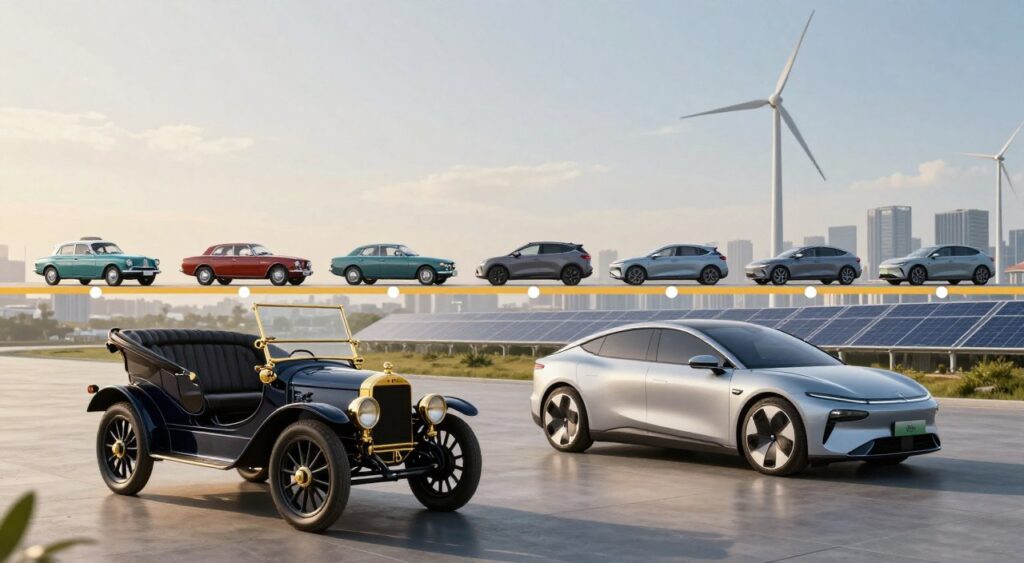
Electric vehicles have changed a lot over the years. They started in the 19th century and have become a common way to travel. Let’s look at how they evolved.
A Brief History of Electric Vehicles
In the 1830s, a Scottish inventor named Robert Anderson made an early electric carriage. By the late 1800s, electric cars were popular in cities. People liked them because they were quiet and didn’t pollute.
Early Adoption: By the early 1900s, electric cars were a choice for the rich. But, old battery tech made them hard to use everywhere.
Key Milestones in EV Development
Here are some big moments in electric car history:
- 1990s: The General Motors EV1 was the first modern electric car.
- 2008: Tesla Motors launched the Tesla Roadster, using new lithium-ion batteries.
- 2010s: Governments started giving perks for electric cars, making them more popular.
Recent Advancements: Now, electric cars are better, cheaper, and come in many types. New battery tech has made them go farther and work better.
The story of electric cars shows our drive for green travel. As tech gets better, electric cars will be even more key in our future.
Popular Electric Vehicle Models
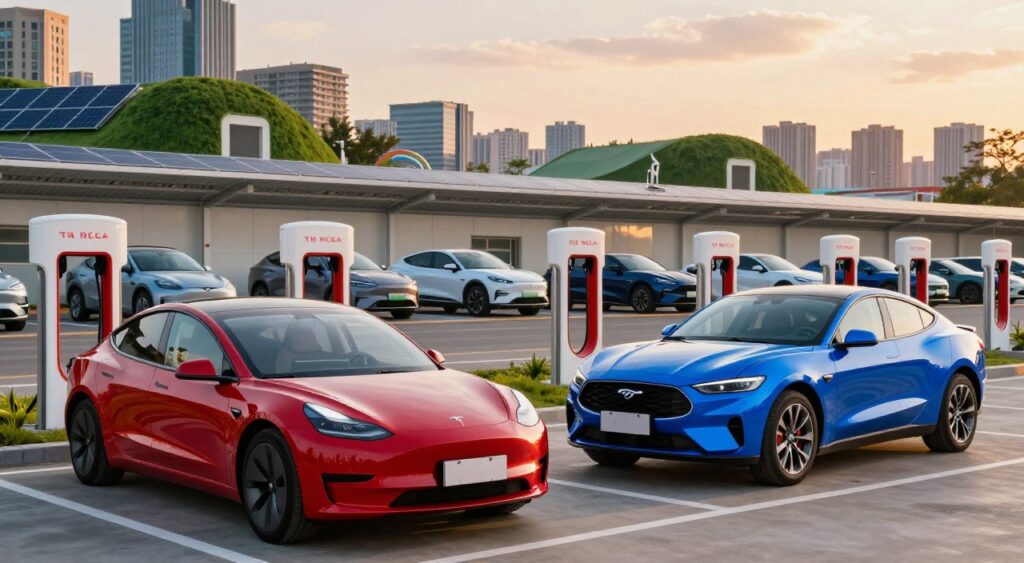
The Tesla Model 3, Ford Mustang Mach-E, and Nissan Leaf are top picks. They each bring something special to the table.
Tesla Model 3
The Tesla Model 3 has changed the EV game. It’s known for its long range and stylish look. You can choose from Standard Range, Long Range, and Performance.
Key Features: It has Autopilot tech, access to Superchargers, and a simple interior.
Ford Mustang Mach-E
The Ford Mustang Mach-E mixes the Mustang’s fame with electric power. It’s a mix of speed and green tech.
Key Features: It comes in Select, Premium, and GT trims. It has SYNC 3 and advanced safety features.
Nissan Leaf
The Nissan Leaf is a leader in electric cars. It’s known for being reliable and affordable. It’s had updates to boost its range and features.
Key Features: It has e-Pedal for easy driving, ProPilot Assist for semi-autonomous driving, and a roomy interior.
| Model | Range (miles) | Starting Price | Notable Features |
|---|---|---|---|
| Tesla Model 3 | 250-326 | $35,990 | Autopilot, Supercharger access |
| Ford Mustang Mach-E | 224-305 | $43,895 | SYNC 3, advanced driver-assistance |
| Nissan Leaf | 149-226 | $29,990 | e-Pedal, ProPilot Assist |
Government Incentives and Rebates
Government incentives have made electric vehicles more popular in the United States. These incentives lower the cost of buying an EV. They also help save money over time.
Federal Tax Credits for Electric Vehicles
The federal government gives tax credits for electric vehicles. The credit amount depends on the vehicle’s battery size and the manufacturer’s sales. For example, a full credit is given for vehicles with a battery of at least 5 kWh. But, the credit starts to decrease after a manufacturer sells 200,000 eligible vehicles.
Key Benefits of Federal Tax Credits:
- Reduces the upfront cost of purchasing an EV
- Encourages the adoption of environmentally friendly vehicles
- Supports domestic manufacturers in the EV sector
State-Specific Incentives and Rebates
Many states also offer their own incentives and rebates for EV owners. These can include rebates, exemptions from fees, or access to carpool lanes. Each state has its own set of incentives.
Examples of State-Specific Incentives:
| State | Incentive Type | Description |
|---|---|---|
| California | Rebate | Offers a rebate of up to $5,000 for eligible EV purchases |
| New York | Tax Credit | Provides a tax credit of up to $2,000 for EV buyers |
| Oregon | Rebate | Offers a rebate of up to $2,500 for EV purchases |
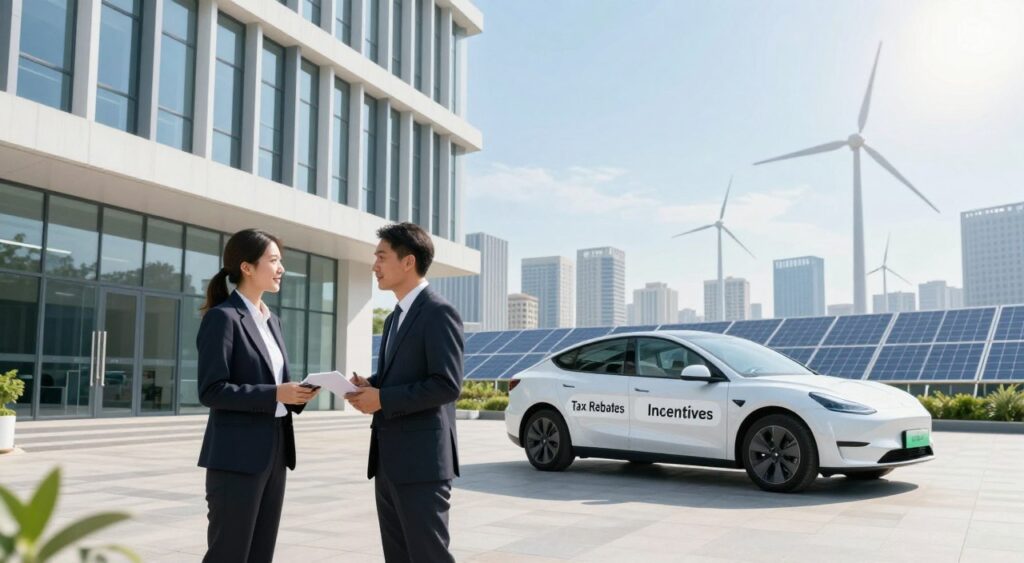
By combining federal tax credits with state-specific incentives, consumers can save a lot on EV costs. It’s important for buyers to check the incentives in their state to get the most savings.
The Role of Charging Stations
Charging stations are key for electric vehicles. They meet the daily needs of EV owners. As more people choose electric cars, a good charging network is more important than ever.
Types of Charging Stations
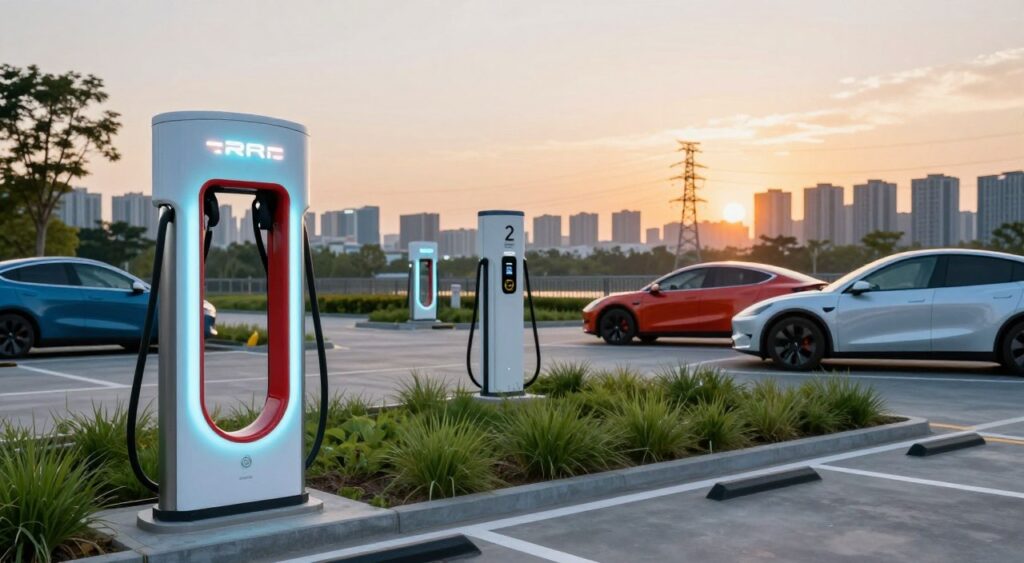
There are many types of charging stations. Each one meets different needs and charging speeds.
- Level 1 Charging: Uses a standard 120-volt outlet. It’s great for slow charging at home overnight.
- Level 2 Charging: Needs a 240-volt station. It’s faster than Level 1 and found in public spots and workplaces.
- DC Fast Charging: Charges quickly. It can fill an EV’s battery to 80% in under 30 minutes. It’s perfect for long trips.
Knowing about these charging stations helps EV owners plan their charging needs. Whether at home or on the go.
How to Find Charging Stations
Finding charging stations is now easy. Thanks to many resources and technologies for EV owners.
- Manufacturer Apps: Many EV makers have apps. They help find charging stations near you.
- Third-Party Apps: Apps like PlugShare and ChargePoint have detailed maps. They let you filter by charging speed and availability.
- In-Car Navigation: New EVs often have built-in navigation. They show charging station locations.
Using these resources, EV owners can plan their routes and charging stops well. This makes their driving experience better.
The Future of Electric Vehicles
Electric vehicles are at the forefront of the shift to sustainable energy. The future looks bright for EVs, thanks to new tech and growing awareness of the environment.
Trends Shaping the EV Market
Several trends are influencing the EV market. Declining battery costs make EVs more affordable. Also, expanding charging infrastructure eases worries about running out of charge.
There’s a wider range of EV models now. From small cars to SUVs, there’s something for everyone. This variety meets different needs and tastes.
| Trend | Impact on EV Market |
|---|---|
| Declining Battery Costs | Increased affordability and competitiveness |
| Expanding Charging Infrastructure | Reduced range anxiety |
| Increasing Model Options | Broader consumer appeal |
Innovations on the Horizon
New tech is set to change EVs even more. Advancements in battery technology will boost range and efficiency. Solid-state batteries could lead to faster charging and more power.

Autonomous driving technology is also coming to EVs. This will make them even more appealing and open up new ways to travel. As these techs get better, more people will choose EVs.
The outlook for EVs is very positive. With ongoing tech improvements and a push for green energy, their popularity will keep growing.
Electric Vehicles and Renewable Energy
Electric vehicles (EVs) and renewable energy are changing how we travel and use energy. As we move towards greener options, linking EVs with renewable energy is key.
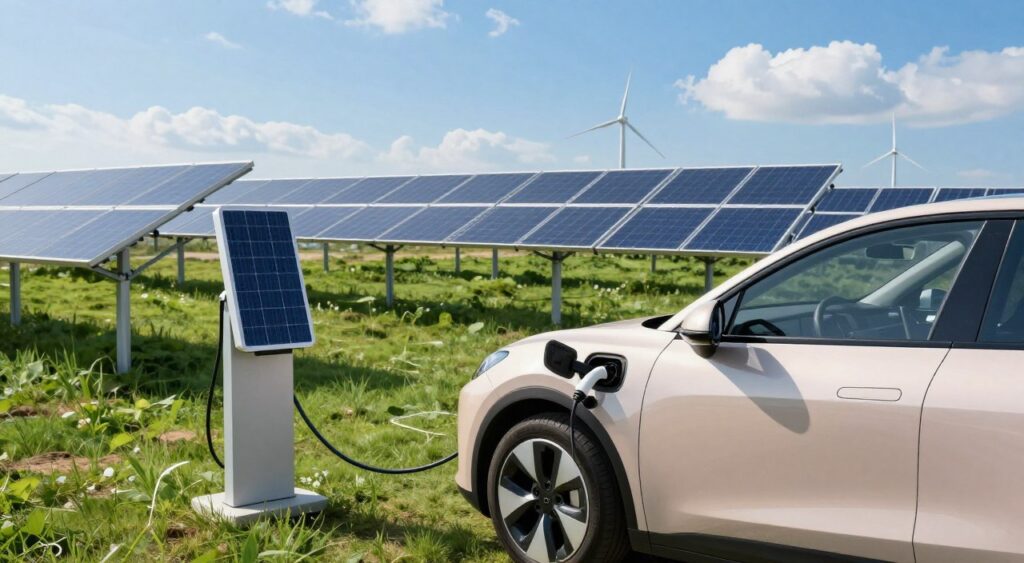
EVs can run on renewable energy, like solar power. Integrating EVs with solar power makes them even better for the planet.
Integrating EVs with Solar Power
Charging EVs with solar power is easy. Just set up solar panels at home or use a solar charging station. A study found that solar-charged EVs cut greenhouse gas emissions by up to 70% compared to grid electricity.
“The future of transportation is not just about electric vehicles; it’s about integrating them with clean energy sources like solar power.”
Linking EVs with solar power has many benefits. It lets owners charge their cars with clean energy, cutting down on grid use and bills. Plus, tech improvements make solar systems more efficient for EV charging.
Impact on the Grid
More EVs and solar power will change the electrical grid a lot. As more people charge with solar, grid demand during peak hours will drop. This could ease the grid’s load.
But, EV charging during off-peak hours might pose new problems. Utilities will have to update their systems to handle this new demand.
Smart charging technologies are vital for grid management. They adjust charging times to match renewable energy availability. This helps keep the grid efficient and reduces strain.
Electric Vehicle Maintenance
Knowing what maintenance electric vehicles need is key for owners. EVs have fewer parts than gas cars, which means they cost less to keep up over time.
Understanding Maintenance Needs
EVs need less upkeep in many areas. They don’t need oil changes, a big difference from gas cars. They also use regenerative braking, which helps brakes last longer. But, EVs do need regular checks on tire pressure, brake pads, and suspension, just like gas cars.
Key maintenance tasks for EVs include:
- Regular tire rotations and pressure checks
- Brake pad replacements, though less often due to regenerative braking
- Software updates, important for performance and security
- Battery health checks, to keep the battery working well
Common Maintenance Myths
There are myths about EV maintenance that need clearing up. One myth is that EV batteries need frequent replacement. This is not true. Most EV makers offer warranties on batteries for 8 to 10 years, and they’re made to last as long as the car.
Another myth is that EVs need no maintenance. While they need less than gas cars, they’re not completely free from upkeep. Regular checks and maintenance are needed to keep them running well and safely.
It’s also worth noting that some maintenance tasks, such as software updates, can often be done remotely. This cuts down on the need for visits to a service center.
Consumer Opinions and Adoption Rates
People’s views on electric vehicles are changing fast. This change is due to worries about the environment, saving money, and how well they perform. As cars become more eco-friendly, knowing what people think and how many are buying them is key.
Surveys on Electric Vehicle Acceptance
Recent polls show many people are interested in electric cars. The main points are:
- A lot of people see EVs as a good choice instead of regular cars.
- Concerns about the environment and saving money are big reasons to buy an EV.
- How well the car drives is also important when deciding to buy one.
Factors Influencing Purchase Decisions
Many things affect what people think and do when buying a car:
- Environmental Impact: Thinking EVs are better for the planet helps them sell.
- Cost Savings: EVs cost less to run, which is a big plus for buyers.
- Performance Advantages: EVs drive smoothly and quickly, which many people like.
- Government Incentives: Help from the government can make EVs more affordable.
Knowing these points helps car makers and government officials. They can make electric cars more appealing and help our planet.
How to Transition to an Electric Vehicle
Switching to an electric vehicle (EV) is a big step. But, with the right steps, it can be easy. Knowing the important factors is key for those thinking about making the change.
Preparation
Before buying an EV, there are several steps to take. It’s important to research different models, like the Tesla Model 3 or Nissan Leaf. You should also understand the charging options, including home charging and public stations.
Thinking about the total cost of owning an EV is also important. This includes looking at incentives and savings on fuel. This can help make a smart financial choice.
Tips for New Owners
For new EV owners, getting to know the vehicle’s features and maintenance needs is important. Plan your charging stops on long trips. Also, use government incentives to make the most of your EV.
By following these steps and tips, transitioning to an electric vehicle can be smooth. Enjoying the benefits of EV ownership is just around the corner.
FAQ
What is an electric vehicle?
How do electric vehicles work?
What are the benefits of electric vehicles?
What are the challenges facing electric vehicles?
Are there government incentives available for electric vehicles?
How do I find charging stations for my electric vehicle?
What are the maintenance requirements for electric vehicles?
Can I charge my electric vehicle using solar power?
What is the average range of an electric vehicle?
Are electric vehicles more expensive than traditional vehicles?

You Might Also Like